Is cannabis legal in El Salvador in 2026? No, not in any broad adult-use sense. El Salvador does not have a legal recreational cannabis market, and it has not enacted the kind of national medical cannabis framework seen in the region’s more reform-minded countries. The law remains fundamentally prohibitive, even if scattered official documents show discussion of medicinal or CBD-related regulation.
That distinction matters because El Salvador has seen legislative proposals around medicinal cannabis and official references to CBD-related pharmaceutical regulation. But proposals, draft norms, and regulatory discussions are not the same thing as full cannabis legalization.
Is Cannabis Legal in El Salvador?
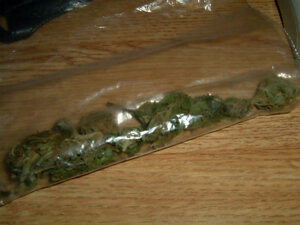
Cannabis is generally illegal in El Salvador. The country does not have a lawful adult-use retail structure, no recreational dispensary model exists, and marijuana is not legalized as an ordinary consumer product.
Official Salvadoran transparency materials also place cannabis and cannabis resin inside controlled-substance lists, underscoring that the baseline legal posture remains restrictive. For a nearby comparison in Central America, see our guide to cannabis laws in Costa Rica, where medical and hemp reform has advanced further than it has in El Salvador.
Medical Cannabis in El Salvador
Medical cannabis is not broadly established in El Salvador through a clear national prescription regime. The Legislative Assembly’s records show that proposals for medicinal cannabis regulation were introduced, including a 2019 bill for medicinal, therapeutic, and palliative use. But proposal history is not the same as an enacted nationwide framework.
That means El Salvador should not be described as a country with a mature legal medical cannabis system. At most, the public record shows debate, draft ideas, and narrower regulatory thinking rather than a fully developed medical cannabis market.
Recreational Cannabis in El Salvador
Recreational cannabis is illegal in El Salvador. There is no adult-use legalization law, no licensed recreational supply chain, and no obvious consumer exception that makes ordinary marijuana possession broadly lawful.
So while policy discussion exists in the background, the operational legal answer remains clear: El Salvador has not legalized recreational cannabis.
Cannabis Penalties in El Salvador
Cannabis penalties in El Salvador can become serious, particularly when authorities believe a case involves trafficking, sale, supply, organized distribution, or cultivation. As in many prohibition systems, legal exposure increases sharply once conduct moves beyond simple possession allegations.
Even where publicly accessible official summaries do not always make every sentencing detail easy to map from abroad, the broader legal message is unmistakable: cannabis remains prohibited, and involvement with supply-side conduct carries real risk.
Cannabis Cultivation Laws in El Salvador
Cultivation of cannabis in El Salvador is not generally legal. There is no recognized home-grow system for adult personal use, and the country has not established a public licensing structure that would normalize cultivation of psychoactive cannabis outside limited official control.
In practical terms, cultivation should be understood as prohibited and legally risky rather than tolerated.
CBD Laws in El Salvador
CBD law in El Salvador is more nuanced than marijuana law, but it is still not a sign of broad legalization. Official transparency materials show discussion of sanitary rules for medicines with CBD cannabidiol, suggesting that a pharmaceutical route has at least been considered or developed in a narrow regulatory sense.
Still, that does not transform cannabis into a freely legal retail category. A narrow medicines-registration channel for CBD is very different from a legal consumer market for cannabis products.
Cannabis Enforcement and Real-World Risk
The real-world risk in El Salvador comes from mistaking policy discussion for legal change. Legislative proposals and regulatory drafts can create the impression that reform is already in place. In fact, El Salvador still sits on the restrictive side of the cannabis map.
As of 2026, marijuana is not broadly legal, medical cannabis is not nationally established in a mature way, and CBD-related regulation should be treated as narrow rather than transformative.
Future of Cannabis Laws in El Salvador
If cannabis reform advances in El Salvador, it is more likely to appear first through tightly controlled medical or pharmaceutical routes than through full adult-use legalization. The public record shows that the subject has entered official discussion, but that is a very different thing from enacted reform.
For now, the accurate answer is that cannabis remains broadly illegal in El Salvador, with only limited signs of narrower CBD or medical regulatory interest.
For a wider regional view, see our guide to cannabis legalization in Central America. Key terms in this area of law are also defined in our cannabis dictionary entries on CBD and prohibition.
No. El Salvador has not legalized recreational cannabis and does not have a legal adult-use market.
El Salvador has seen medicinal cannabis proposals, but it does not have a broadly established national medical cannabis framework like more reform-oriented countries.
CBD may fit into narrow pharmaceutical or sanitary regulation in El Salvador, but that is not the same as broad cannabis legalization or an open CBD consumer market.