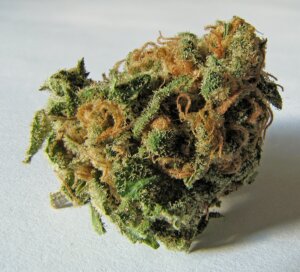
A cannabis tolerance break is a period of complete abstinence from THC designed to allow CB1 cannabinoid receptors to recover toward their baseline density and sensitivity. Two to four weeks is the minimum effective window for meaningful receptor recovery. Shorter pauses reduce acute tolerance but do not fully reset the system.
If you have been smoking daily for months and a gram barely touches you, that is not a product problem. That is CB1 receptor downregulation at work, and the only reliable fix is stopping entirely for a defined stretch. This guide covers the science, the timeline, and the practical steps to get through it.
Why Tolerance Builds. Your CB1 Receptors Downregulate Under Repeated THC Exposure.
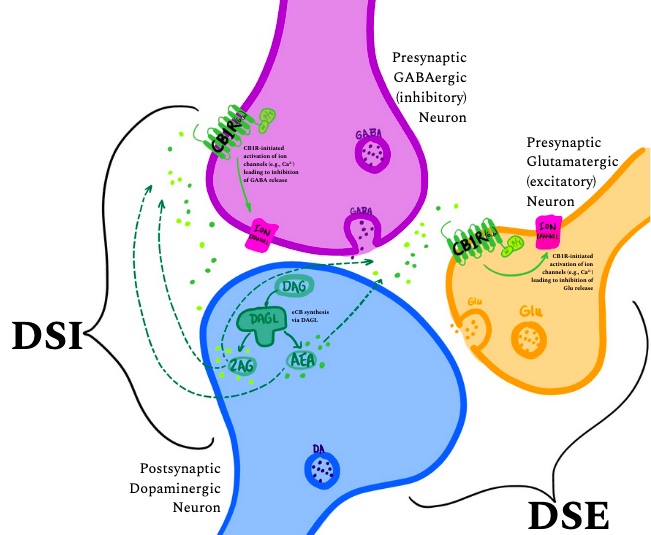
THC binds primarily to CB1 receptors in the brain and central nervous system. Under normal conditions, these receptors respond to endogenous cannabinoids like anandamide that regulate mood, sleep, and appetite. When you introduce THC regularly, the brain interprets the repeated signal as excessive stimulation and responds by reducing the number of available CB1 receptors and their sensitivity, a process called downregulation.
Research published in the journal Neuropsychopharmacology using PET imaging found that chronic cannabis users had significantly lower CB1 receptor availability compared to non-users across the striatum, cingulate cortex, and prefrontal cortex. The heavier and longer the use pattern, the more pronounced the downregulation.
This is why tolerance is not linear. The first few months of daily use produce rapid sensitivity loss. After a year or more of heavy daily use, the receptor deficit is significant enough that standard doses produce almost no subjective effect. The brain has fundamentally recalibrated its response to THC.
How Long a T-Break Actually Needs to Be. The 48-Hour Myth vs the Four-Week Reality.
The two timelines most people cite are 48 hours and 30 days, and both are technically accurate for different things.
Forty-eight hours of abstinence is enough to reduce acute tolerance, meaning the immediate withdrawal state from your last session. Blood and brain THC metabolite levels drop significantly in the first two to three days, and you will likely feel the next session more than if you had only waited 24 hours.
A study published in Molecular Psychiatry found that CB1 receptor density and function began recovering within two days of abstinence and showed near-complete normalization after four weeks in heavy daily users. Occasional users recovered faster. Daily users required the full four weeks.
If you want a meaningful reset rather than just a reduced tolerance state, target 28 days minimum. Anything under two weeks produces partial recovery at best.
T-Break Timeline. What to Expect Day by Day and Week by Week.
Withdrawal from cannabis is real. It is not dangerous, but it is uncomfortable enough that most people quit their break in the first week. Knowing what is coming makes it easier to stay through it.
| Phase | What happens physically and mentally |
|---|---|
| Day 1 to 3 | Irritability peaks. Sleep disrupted or lost entirely. Appetite drops. Vivid or intense dreams begin as REM sleep rebounds. Cravings are strongest. |
| Day 4 to 7 | Acute irritability fades. Sleep begins to stabilize. Appetite returns but appetite may remain below baseline. Brain fog common in mornings. Cravings shift from physical to habitual. |
| Week 2 | Most acute withdrawal symptoms gone. Mood normalizes. Dreams remain vivid. Cognitive clarity often noticeably sharper than week one. Some users report a low-grade flatness or anhedonia. |
| Week 3 to 4 | CB1 receptor recovery accelerating. Endocannabinoid baseline resetting. Many users report mood and motivation returning above their pre-break level. Sleep quality typically improved. |
Managing Withdrawal Symptoms. Sleep, Appetite, and Irritability Are the Three You Actually Fight.
Cannabis withdrawal is classified in the DSM-5 and is well-documented in the research literature. An NIH-published review of cannabis withdrawal symptoms identified sleep disruption, irritability, decreased appetite, anxiety, and restlessness as the most common complaints, with peak severity typically between day two and day six.
Sleep is the hardest part. THC suppresses REM sleep, so when you stop, REM rebounds hard. Expect intense, vivid, sometimes disturbing dreams for the first one to two weeks. Melatonin at 0.5 to 3mg taken 30 minutes before bed helps some people without suppressing the natural recovery process. Avoid alcohol as a sleep aid; it disrupts sleep architecture further.
Appetite loss is real but temporary. Most people return to normal eating patterns within five to seven days. Eating smaller, more frequent meals and keeping simple foods available helps. Nausea is uncommon but can occur in the first few days.
Irritability is the symptom most likely to damage relationships or derail the break. Tell people around you that you are going through a reset and may be short-tempered for a week. Naming it ahead of time reduces friction significantly.
Tips for Getting Through It. Exercise, CBD, and Sleep Hygiene Do the Heavy Lifting.
Three interventions consistently show up in the research and practitioner literature as meaningful for managing a t-break:
Exercise. Aerobic exercise produces endocannabinoids naturally. A 20 to 30 minute run or bike ride activates the same endocannabinoid system that THC targets and produces a genuine mood lift without disrupting receptor recovery. Research in Frontiers in Psychiatry found exercise reduced cannabis craving and withdrawal severity in abstaining users. This is the single most effective non-pharmacological intervention for t-break comfort.
CBD. CBD does not bind to CB1 receptors the way THC does and does not re-activate the downregulation cycle. Some evidence suggests it may modulate anxiety through serotonin pathways. If you have CBD on hand, 25 to 50mg taken as needed during the first week can take the edge off anxiety without undermining the break. A review in Neurotherapeutics found evidence supporting CBD for anxiety reduction at doses from 300 to 600mg in clinical settings, though lower doses work for many people during moderate withdrawal.
Sleep hygiene. Consistent wake time is more powerful than consistent bedtime. Set a fixed time to get up, even when you feel terrible. Keep the room dark and cool. Limit screens for 30 minutes before bed. The REM rebound will pass within two weeks, and your sleep quality on the other side will almost certainly be better than it was while you were using daily.
When to Return and How to Re-Entry Dose Correctly the First Time Back.
The most common mistake at the end of a t-break is going straight back to the dose you used to take. That dose was calibrated for a downregulated system. Your receptors have recovered. What was a baseline session before the break can easily become an overwhelming session now.
Re-entry protocol:
- Start with roughly one-quarter of your pre-break dose.
- Wait at least 90 minutes if using edibles before considering any additional amount.
- Use a lower-THC product if available for the first session back.
- Do not re-dose because “you don’t feel it yet.” The break worked. Give it time.
If you went too far in a session and need to manage an overwhelming high, see our guide on how to stop being high, which covers CBD, hydration, black pepper, and breathing techniques for pulling yourself back from a difficult session.
If the goal was to lower your tolerance while continuing to use rather than stopping entirely, that is a different strategy covered in our piece on how to lower your cannabis tolerance without taking a full break.
How to Take a Cannabis Tolerance Break. Four Steps From Start to Reset.
The mechanics are simple. The execution is where most people struggle.
Step 1: Set your end date before you start. Pick a specific calendar date 28 days out and treat it as fixed. Flexible end dates become shorter end dates. Write it down or put it in your phone. Tell one other person.
Step 2: Taper or stop cold. Both work. Tapering over three to five days reduces the severity of the first week. Cold stop gets you to the end date faster. Choose based on your history with withdrawal. If the first few days are usually manageable, cold stop is faster. If they are brutal, taper down over a few days first.
Step 3: Manage symptoms with exercise, sleep hygiene, and CBD. The first week is the hardest. Keep a short exercise habit going even on rough days. Maintain fixed sleep and wake times. Use CBD sparingly if needed for anxiety.
Step 4: Re-enter at one-quarter of your pre-break dose. Your tolerance has reset. The first session back should be smaller, slower, and more intentional than your pre-break average. Let the break do its job on the re-entry.
FAQ. Common Questions About Cannabis Tolerance Breaks.
How long does a cannabis tolerance break need to be? The minimum effective window for partial recovery is about two weeks. Full CB1 receptor normalization in heavy daily users takes closer to four weeks. A 48-hour pause reduces acute tolerance but is not a meaningful reset.
What happens to my body during a t-break? CB1 receptors begin to upregulate, meaning the brain increases both the number and sensitivity of receptors that THC binds to. Endocannabinoid baseline chemistry also begins resetting. Sleep architecture, mood regulation, and appetite signaling all shift as your system adjusts to operating without exogenous THC.
Is cannabis withdrawal dangerous? No. Cannabis withdrawal is uncomfortable but not medically dangerous for most people. The core symptoms are irritability, sleep disruption, appetite changes, and anxiety. These peak in days two through six and largely resolve within two weeks. If you have a co-occurring condition being managed in part through cannabis, consult a healthcare provider before stopping.
Can I use CBD during a t-break? Yes. CBD does not bind strongly to CB1 receptors and does not trigger the downregulation cycle that builds tolerance. Using CBD during abstinence does not undermine the reset. It may help with anxiety and sleep for some people.
Will one week off make a difference? A week of abstinence produces partial recovery. You will likely feel more from your first session back than you did before the break, but tolerance will rebuild quickly if you return to the same daily pattern. Two to four weeks produces more durable results.