
Legal status, possession limits, and real-world penalties in 200+ jurisdictions. Every entry is reviewed on a rolling schedule so you are not reading stale law.
Every country page uses the same four-tier framework so you can compare jurisdictions quickly and know exactly what “legal” actually means in context.
Start with a continent or a region to see which countries allow what, and how penalties scale from north to south.
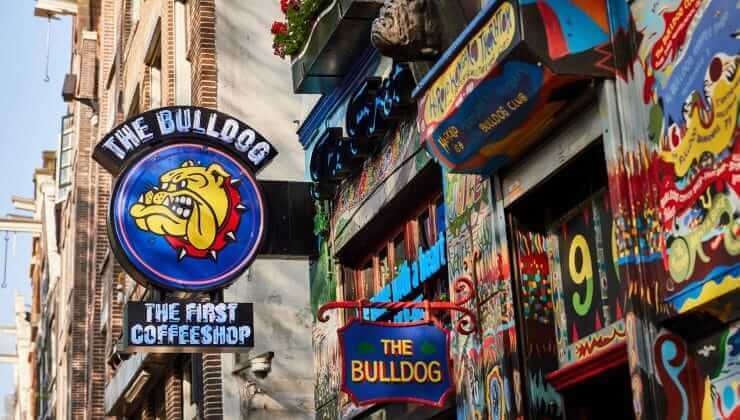
From Germany’s adult-use rollout to Sweden’s zero-tolerance line. Medical programs, coffee shops, and a patchwork of decriminalization.
View Europe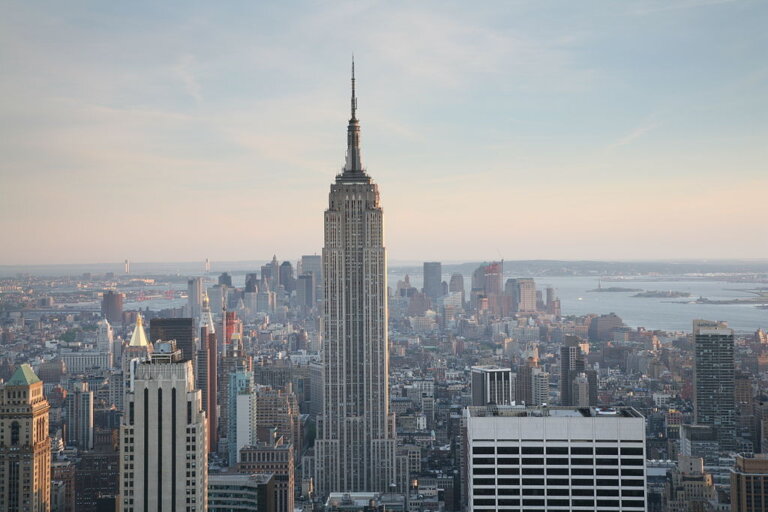
Canada’s federal legalization, Mexico’s medical framework, and the U.S. state-by-state split. Federal illegality alongside legal markets.
View North America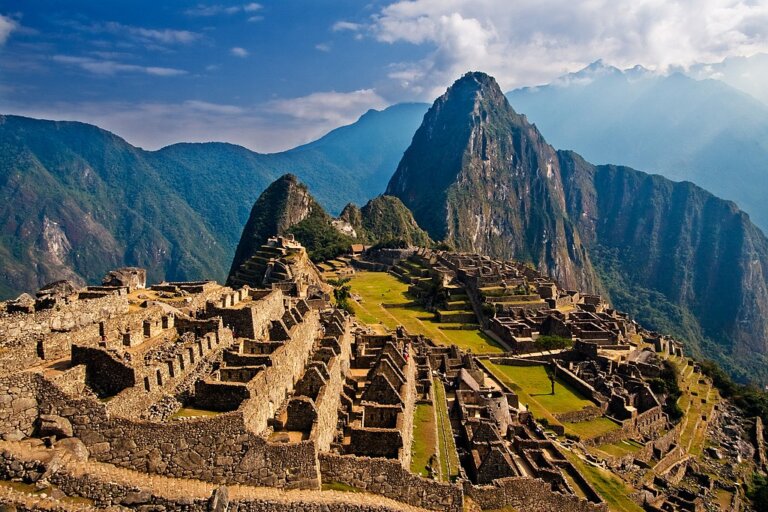
Uruguay led the world on legalization. Argentina, Colombia, and Chile run medical programs. Brazil and Paraguay remain strict.
View South America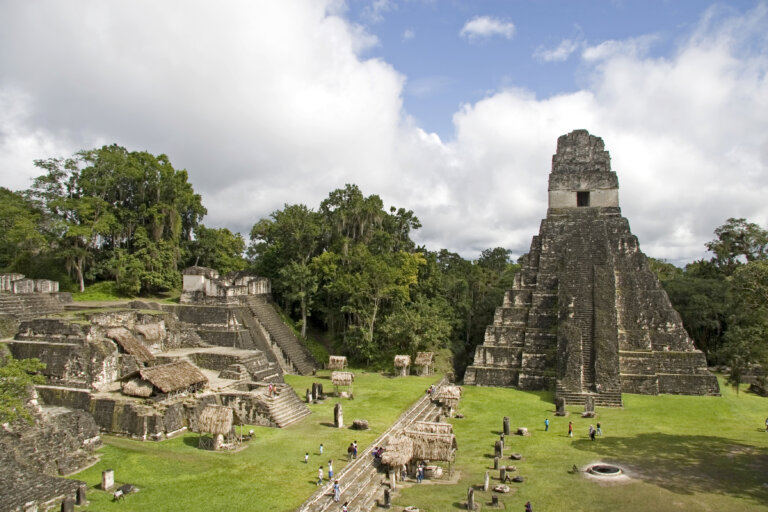
Costa Rica and Panama run medical frameworks. Belize decriminalized possession. Most of the isthmus still treats cannabis as a criminal matter.
View Central America
Jamaica led the region on decriminalization. Several islands followed. Sacred-use exemptions for Rastafari coexist with tourist-targeted enforcement.
View Caribbean
Thailand’s dramatic rollback, Japan’s CBD-only market, Singapore’s capital penalties. Asia has the widest legal gap of any region.
View Asia
South Africa legalized personal use. Lesotho pioneered legal cultivation. Most of the continent still carries heavy criminal penalties.
View Africa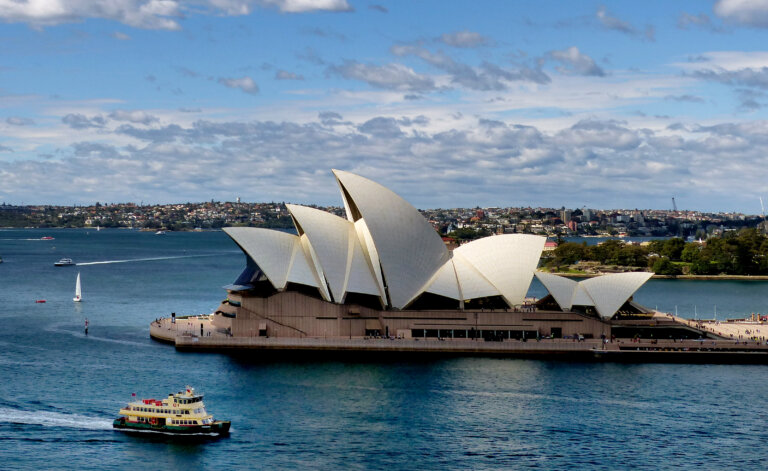
Australia runs a federal medical scheme with decriminalization varying by state and territory. New Zealand narrowly rejected legalization at referendum.
View Oceania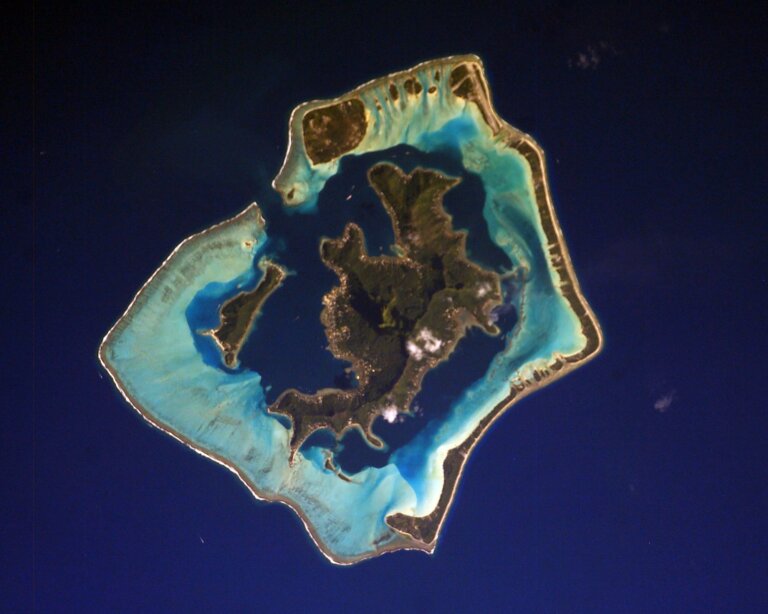
Fiji, Samoa, Vanuatu, Papua New Guinea, and the island nations. Traditional use, import controls, and tourist-facing enforcement.
View South PacificThe jurisdictions readers search for most, including tourist destinations, recent policy shifts, and countries with the steepest penalties.
The most dramatic policy reversal in Asia. What is legal, what was rolled back, and what tourists need to know.
Read Thailand
Adult-use legalization, cannabis social clubs, and possession limits. What the reform actually changed on the ground.
Read Germany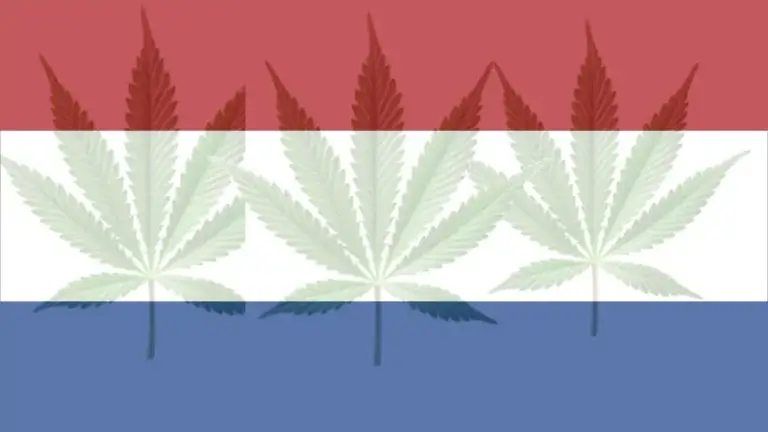
The coffee shop model explained. Technically illegal, practically tolerated, and tightening in border cities.
Read Netherlands
Some of the strictest cannabis enforcement in the developed world. CBD is legal, THC is not, and tourists are not exempt.
Read Japan
Medical cannabis is legal through the national health service. CBD and hemp flower exist in a gray zone.
Read Italy
Possession, use, and trafficking all criminalized. Penalties escalate quickly with quantity. Zero tourist leniency.
Read Vietnam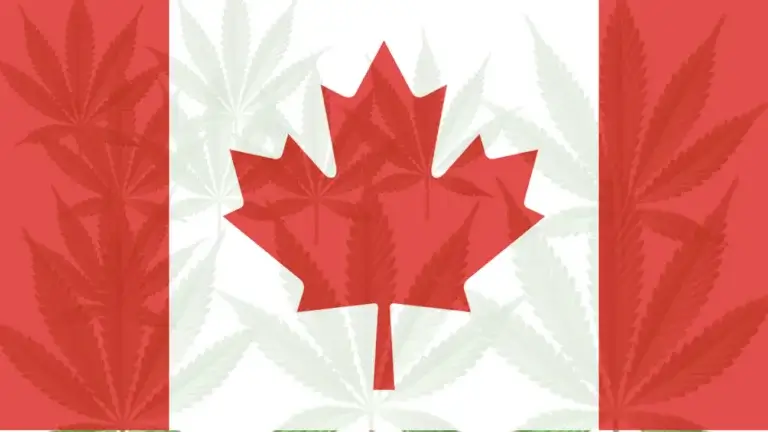
Federal adult-use legalization with provincial differences on sale and possession, plus a separate medical access framework.
Read Canada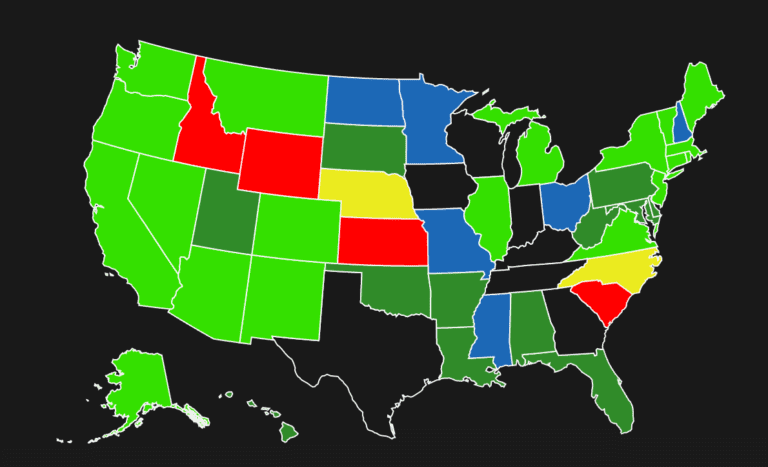
Federally illegal, state legal in dozens of jurisdictions. The full breakdown of recreational, medical, and prohibited states.
Read the U.S.The 1961 Single Convention on Narcotic Drugs obligated every signatory to criminalize cannabis. Every country that has moved away from prohibition has picked one of six structural models. The model matters more than the legal label. It predicts how access actually works on the ground.
The government controls cultivation, processing, and retail. Uruguay registers users in a national database, caps monthly purchases at 40 grams, and sells through licensed pharmacies at prices designed to undercut the illicit market.
Example: UruguayCannabis is legal and sold through licensed private businesses, similar to alcohol. Canada runs this model nationally. U.S. states run it in a patchwork that coexists awkwardly with federal prohibition.
Example: Canada, U.S. legal statesThe Dutch approach. Retail sale through coffee shops is tolerated under strict rules, while cultivation and wholesale supply remain fully prohibited. The contradiction has produced a permanent back-door supply problem.
Example: The NetherlandsNon-profit associations grow and distribute to registered adult members. Germany’s Cannabis Act allows clubs of up to 500 members each. Malta’s Cannabis Harm Reduction Associations use the same 500-member cap.
Example: Germany, Malta, SpainPossession remains illegal but is treated as an administrative offense. Portugal routes low-level offenders through dissuasion commissions run by the Ministry of Health rather than courts. Sale and cultivation stay criminal.
Example: Portugal, CzechiaCannabis is available by prescription for qualifying conditions through regulated pharmacies. Over 50 countries run some version. Access varies enormously: a telehealth visit qualifies a German patient within days, while Japan requires a hospital specialist referral.
Example: UK, Japan, Israel, most of the EUThe top-line legal status tells you less than most travelers and patients assume. Six underlying variables decide what you can actually do on the ground, and any one of them can override the label.
“Legal” covers adult-use retail, state-monopoly pharmacy sales, cannabis club membership, and home-cultivation rights that exist without retail at all. “Illegal” covers full prohibition, decriminalized fine regimes, and medical-only frameworks. A single label collapses distinctions that matter.
A country labeled “decriminalized” can still jail you for crossing a gram threshold. Portugal sits around 25 grams of herbal cannabis. The Netherlands permits 5 grams in a coffee shop. Past the threshold, the offense jumps from administrative to criminal.
Personal cultivation is regulated separately from possession and is almost always stricter. Germany permits three plants per adult at home. Malta allows four. Uruguay allows six. Washington and New Jersey prohibit home growing entirely despite full retail legalization.
A medical framework only matters if patients can actually use it. Which conditions qualify, whether general practitioners can prescribe, whether domestic cultivation exists, and whether insurance reimburses the cost all decide real access. Legal on paper does not mean accessible in practice.
Most of the EU, the UK, the U.S., and Canada permit hemp-derived CBD below a 0.2% or 0.3% THC threshold. Singapore, the UAE, and Russia treat all CBD products as controlled substances regardless of THC content. Travelers carrying over-the-counter CBD get caught in the middle band.
Crossing a border with cannabis is illegal almost everywhere, including between two countries that both permit domestic use. A Canadian medical patient who flies to the UK with prescribed flower commits an import offense on arrival, even though both sides permit medical cannabis.
Pulled live from the legalization library. These six entries were edited most recently.
The phrase “is cannabis legal” is a trap. Many jurisdictions hold tourists to the strictest possible reading of the law, regardless of what locals get away with. Use these rules before you pack.
What readers ask most about global cannabis law, answered in plain English.
Cannabis is fully legal for adult recreational use at the national level in Canada, Uruguay, Malta, Germany, Luxembourg, and South Africa (private use only). It is also legal in a majority of U.S. states, the Australian Capital Territory, and a handful of other subnational jurisdictions.
Singapore, Indonesia, Malaysia, Saudi Arabia, the UAE, and China apply the most severe penalties. Several Southeast Asian and Gulf states retain the death penalty for trafficking, and possession alone can trigger decades of imprisonment.
No. CBD legality varies by country, and most regulators key the rules to THC content. Hemp-derived CBD below 0.2% or 0.3% THC is permitted across most of Europe, North America, and parts of Asia. Singapore, the UAE, and Russia treat all CBD products as controlled substances regardless of THC level.
Almost never legally. A valid prescription in your home country does not authorize cannabis across an international border. Schengen Certificates under Article 75 of the Schengen Implementing Convention cover a narrow set of European cases, typically up to 30 days of supply with pre-registration. No equivalent scheme exists outside Europe.
Decriminalization removes criminal penalties for small-amount possession but usually keeps civil fines in place. The drug remains illegal, dealers and cultivators can still be prosecuted, and the specific gram threshold determines whether you face a ticket or a criminal charge.
Entries are rechecked on a rolling schedule as statutes, fines, and medical programs shift. Major policy changes like new retail frameworks, reclassifications, or high-court rulings trigger immediate revisions. Minor updates are batched through the regular review cycle.
Legalization entries are rechecked on a rolling schedule as statutes, fines, and medical programs shift. No affiliate funnels, no sponsored placements, no bought editorial.