Willie Nelson sells more cannabis than any musician working today. The Willie Nelson cannabis brands portfolio is eleven years old, profitable on the licensed-flower side, and federally compliant on the CBD side. Country music’s quiet stoner tradition has the receipts.
Willie’s Reserve launched in Colorado in 2015. A decade later it sits on dispensary shelves across roughly half a dozen legal states. The wellness sister line, Willie’s Remedy, ships hemp CBD nationwide from a Kentucky supply chain and a kitchen at the Nelson family ranch outside Austin.
“I’ve been smoking marijuana for 50 years, and I’m still alive,” Nelson told Rolling Stone in 2015 when Willie’s Reserve was announced. The line was not a logo deal. It was a cooperative. A decade later it remains the only country-music cannabis brand with national reach, and the small cohort of country and country-adjacent artists trailing behind him still treats him as the patron saint who did the hard part.
Below is the actual ledger. What’s on shelves. Who runs each line. Where it sits in the wider story of country, cannabis, and the genre’s slow shift away from the beer-and-whiskey myth that never quite matched the tour bus.
- Flower and pre-rolls: Willie’s Reserve
- Hemp CBD wellness: Willie’s Remedy
- Independent-artist CBD: Margo Price hemp line
- Cultural advocates without brands: Sturgill Simpson, Kacey Musgraves, Tyler Childers
Country’s Quiet Stoner Tradition. Never Actually Quiet.
 |
|
The myth says country runs on beer, whiskey, and the occasional pill, with cannabis quarantined to the hippie cousin in Austin. The myth is wrong.
Cannabis has run through country since the late sixties, sometimes openly and sometimes folded inside the broader outlaw rebellion against Nashville orthodoxy. Waylon Jennings recorded “Don’t You Think This Outlaw Bit’s Done Got Out of Hand” in 1978 partly as a response to a federal cocaine bust at his Nashville office. The same outlaw circle that put Waylon in handcuffs was running on weed as much as anything else. Willie was at the center of it. The Austin scene around the Armadillo World Headquarters was a cannabis scene, and the Armadillo is where progressive country crossed over.
Then there’s Merle.
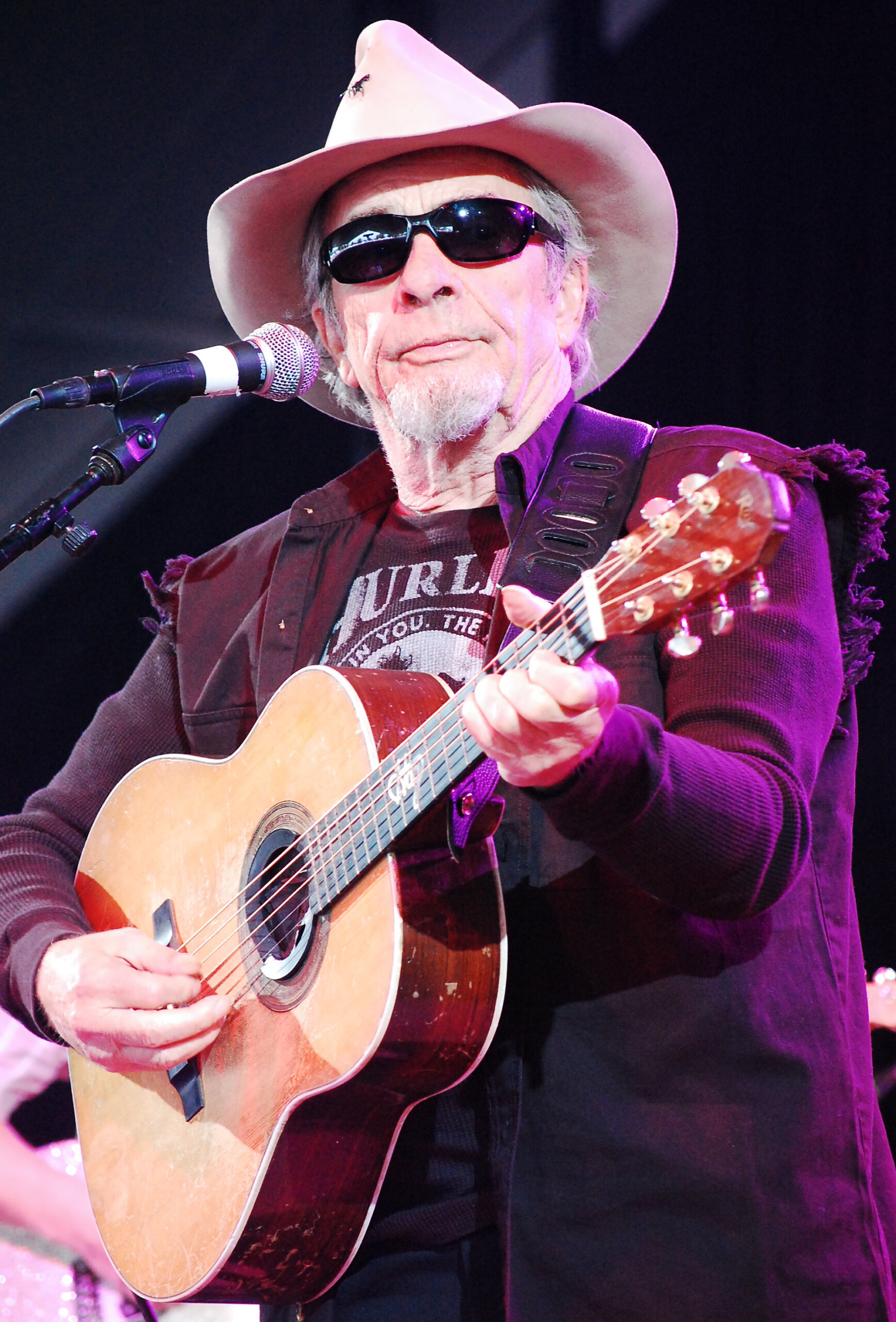
Merle Haggard recorded “Okie From Muskogee” in 1969 as a song about a town that didn’t smoke marijuana. He spent the next four decades clarifying that the song was character work and that he had personally smoked plenty. “I’m glad I quit, because it makes me paranoid,” Haggard told Rolling Stone in 2014, confirming he and Willie had smoked together for years. The man wrote the most famous anti-pot anthem in country history and was a regular smoker. That dissonance is the genre in miniature. The audience wanted a clean myth. The artists were never as clean as the myth.
The current generation has dropped the pretense. Sturgill Simpson opens “Turtles All the Way Down” with a verse about DMT, mescaline, and marijuana, and treats all three as ordinary. Kacey Musgraves built a career partly around “Follow Your Arrow,” which name-checks rolling joints in the chorus and won Song of the Year at the 2014 CMA Awards, an outcome CMT covered as a generational marker. Margo Price has spoken openly to The New York Times about cannabis and psychedelics in her writing process.
The genre’s Overton window on the plant moved roughly thirty degrees in a single decade. Willie did most of the pushing. The brand he stamped his name on in 2015 is the receipt that proves the door swung.
What separates country’s cannabis story from hip-hop’s is volume, not depth. Hip-hop has hundreds of artists with cannabis lines, dispensary investments, strain partnerships, and vape collaborations. Country has Willie, then a thin layer of CBD-leaning side projects, then a wider ring of culturally aligned artists who advocate without selling. The product market is small. The cultural footprint is large. NPR profiled this exact gap in 2019 and the gap has barely narrowed.
Willie’s Reserve. The Brand That Made the Whole Category.
 |
|
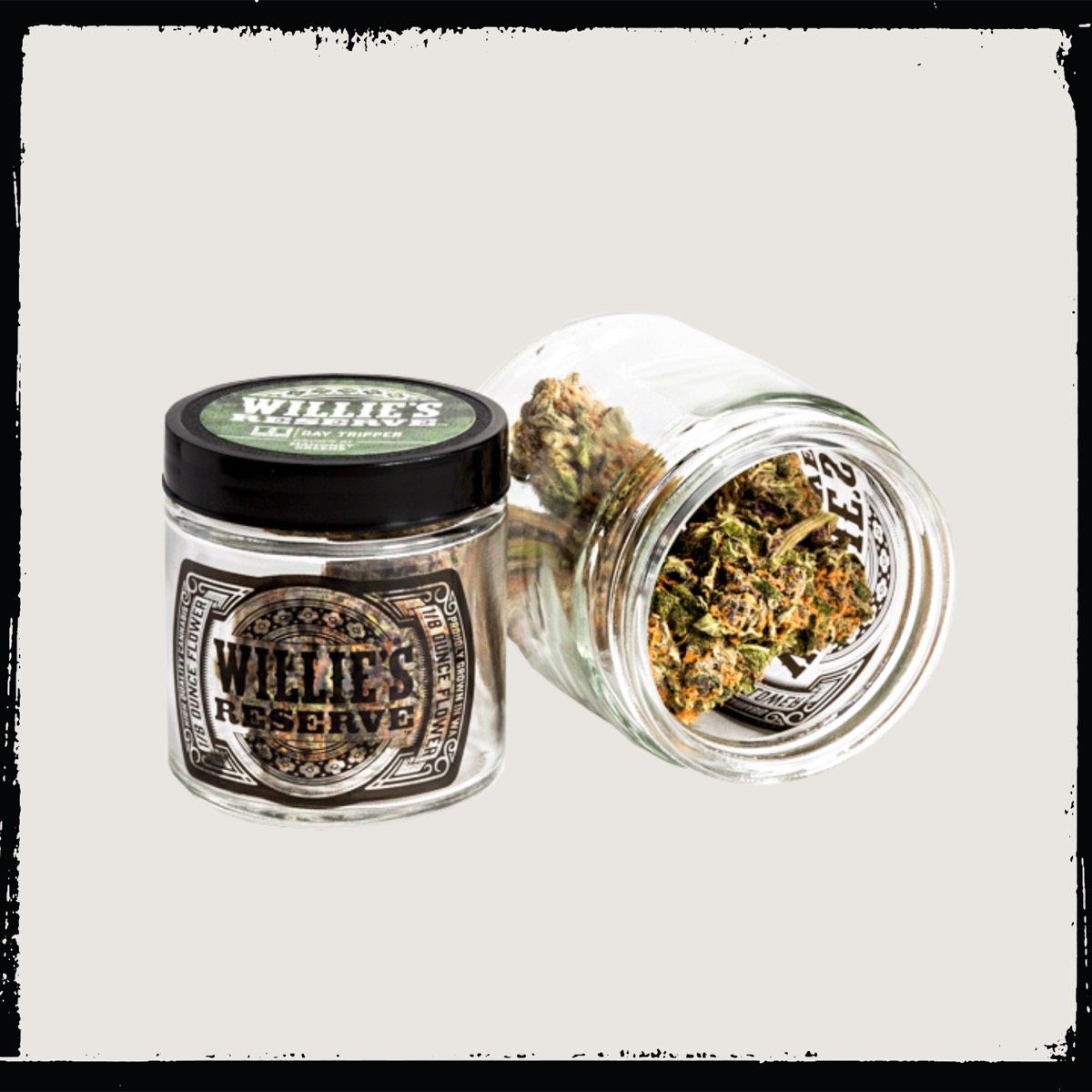
Willie’s Reserve is the brand that made the country-cannabis category possible because it was the first one anyone could actually buy. It opened in Colorado dispensaries in 2015 with flower and pre-rolls under a licensing model. Nelson’s holding company GCH Inc partners with a permitted cultivator in each legal state, sets quality standards and cultivar selection, and lends the name and the design language. Rolling Stone covered the announcement in early 2015 and The Cannabist broke the launch details.
The pitch was simple. Willie’s name. Family-curated cultivars. No synthetic additives. Packaging that looked like a vinyl reissue rather than a wellness candle. It worked. It worked well enough that the model now anchors our roundup of working celebrity cannabis brands.
The current Colorado-state lineup runs flower in eighth and quarter formats, pre-rolls in singles and multipacks, and a small distillate vape line. Cultivars rotate and are partner-driven. Recent dispensary menus have included sativa-leaning workhorses like Sour Diesel and Jack Herer alongside indica-dominant night flower. Willie’s Reserve on Weedmaps shows current state-by-state availability. Pricing tracks the mid-shelf to upper-shelf range in each market: roughly $35 to $50 for an eighth in Colorado, slightly higher in California, slightly lower in Washington.
The product is not boutique-craft. It is not trying to be. It is consistent flower with a name on it that people recognize.
The founding story is the man himself. Willie was already the face of cannabis normalization in America by 2015, having survived enough busts to give every state in the union a cautionary headline. He had spent the previous decade as the public co-chair of the National Organization for the Reform of Marijuana Laws. The decision to launch a product line came after Colorado opened its adult-use market in 2014. Willie’s son-in-law and longtime road manager started looking seriously at the licensing model. The family wanted a brand that reflected Willie’s actual taste in cannabis rather than a celebrity logo slapped onto someone else’s flower. GCH Inc was structured to keep curatorial control with the Nelsons even when production was outsourced.
Distribution today depends on the state. In Colorado, the brand shows up at Star Buds and other multi-location chains as well as smaller independents in Denver and Boulder. In California, Willie’s Reserve flower has been listed at Harborside in Oakland and at MedMen locations during periods of partnership. In Nevada, it has rotated through the Planet 13 menu in Las Vegas. In Illinois it sits next to the older Cresco brands at Sunnyside dispensaries. The footprint is real but uneven, which is normal for a licensed brand without vertical integration.
What Willie’s Reserve has not done, despite a decade of operating, is win the trade-show award circuit the way Cookies or Stiiizy or Raw Garden has. There is no Emerald Cup wall. There is no Cannabis Cup case. The brand’s proof point is longevity and shelf presence rather than competitive accolades. Forbes profiled the brand in 2017 as an example of celebrity cannabis done with curatorial intent rather than logo-licensing for cash, and the read still holds.
People who buy Willie’s Reserve are buying a relationship to Willie, not a competitive flower spec. That is the entire point.
The honest verdict: dependable mid-shelf flower carrying the cosign of the most trusted face cannabis has in country music. It is not the strongest flower on any menu. It is rarely the cheapest. It is almost always the one the budtender mentions when an out-of-state visitor asks what to buy as a souvenir. For Willie fans the purchase is closer to a Willie record than a Raw Garden cartridge, which is what Willie wanted in the first place.
Willie’s Remedy. The CBD Line That Took the Brand Federal.
 |
|
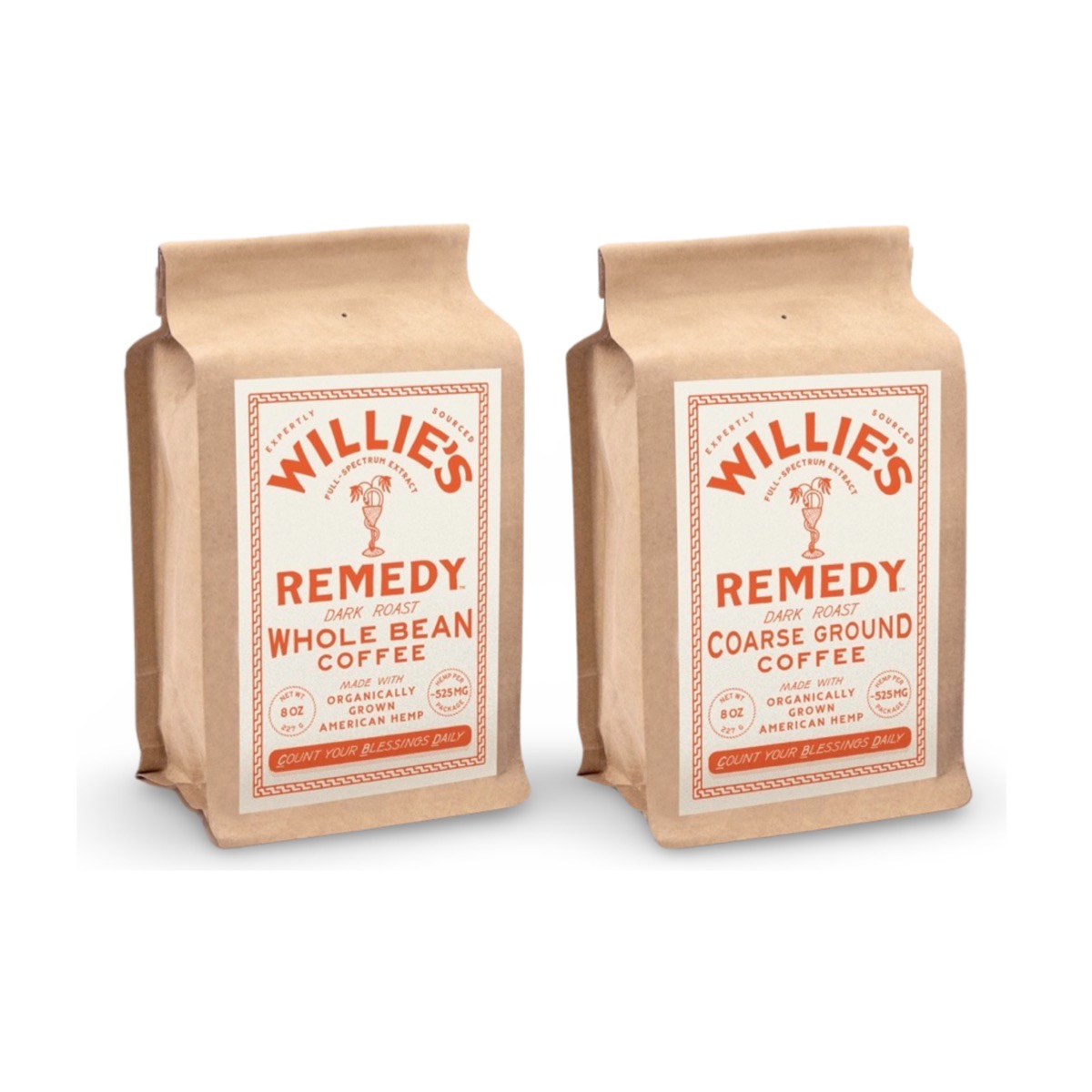
Willie’s Remedy is the half of the empire that does not require a state-by-state license dance. Launched in 2018 after the Farm Bill cleared a federal pathway for hemp-derived CBD, Remedy ships full-spectrum hemp products from Kentucky-grown organic biomass to all fifty states. Annie Nelson, Willie’s wife and a cookbook author who had been making CBD-infused olive oil and coffee at home for years, runs the line. CNBC covered the launch when the original CBD coffee dropped, and Green Entrepreneur followed up as the line expanded into oils and topicals.
The current Remedy lineup runs four product families. Hemp oil tinctures dosed at 250 to 1,000 milligrams of CBD per bottle. The original CBD-infused whole-bean and ground coffee at 7 milligrams per cup. Gummies in roughly 5 and 10 milligram per piece formats. A small topicals range covering balms and lotions. Pricing sits in the mid-tier of the federal hemp CBD market: tinctures run roughly $50 to $130 depending on potency, the coffee runs about $30 a bag, and the gummies sit in the $30 to $50 range per jar.
None of it is the cheapest CBD on Amazon. None of it is positioned to be.
The brand promises full-spectrum hemp from a known supply chain rather than the cheapest milligram of isolate. Annie Nelson is the actual operator. She has talked in interviews about starting with infused olive oil at the family ranch outside Austin, then moving to coffee because Willie likes coffee in the morning, then formalizing it as a brand because friends and bandmates kept asking where to buy it. Her involvement is the brand’s authenticity proof. Most celebrity CBD lines are licensed logos. Remedy’s flagship coffee literally came out of the kitchen of the woman whose name is on the family ranch.
That detail matters in a category where consumers have learned to be skeptical of celebrity endorsements that turn out to be paid placements.
Distribution is the easy half. Direct-to-consumer ship from williesremedy.com is the primary channel and reaches every state. Retail availability has rotated through specialty wellness shops, a handful of independent grocers in legal-friendly states, and select dispensary front-of-house counters in Colorado and Washington that stock hemp CBD alongside their THC menus. Some farm-to-table wellness retailers in Texas and the Southeast carry the coffee. The CBD-coffee category is small and the brand effectively has the country-music cosign locked in.
The interesting press history on Remedy is the regulatory side. The FDA has not approved CBD as a food or supplement ingredient at the federal level, which means every brand in the category operates in a gray zone where products are sold legally as hemp extract but not formally cleared as therapeutic. Remedy navigates this the way most reputable brands do: third-party lab certificates of analysis posted publicly for every batch, no medical claims in product copy, clear cannabinoid content labeling. The FDA’s own guidance sets the floor and Remedy operates above it.
The verdict on Willie’s Remedy: the most credible celebrity CBD line on the market because it was actually built by someone in the family who actually used the products. People buying Remedy are buying Annie’s recipe at scale. The coffee is the gateway SKU and the one most likely to convert a curious country fan into a repeat customer. The tinctures are competent and well-dosed without trying to be the strongest oil on the shelf. None of it is revolutionary. All of it is honest. In a category that has burned through more celebrity vanity launches than almost any other, honest is the unfair advantage.
Margo Price. Independent Artist CBD With the Receipts.
 |
|
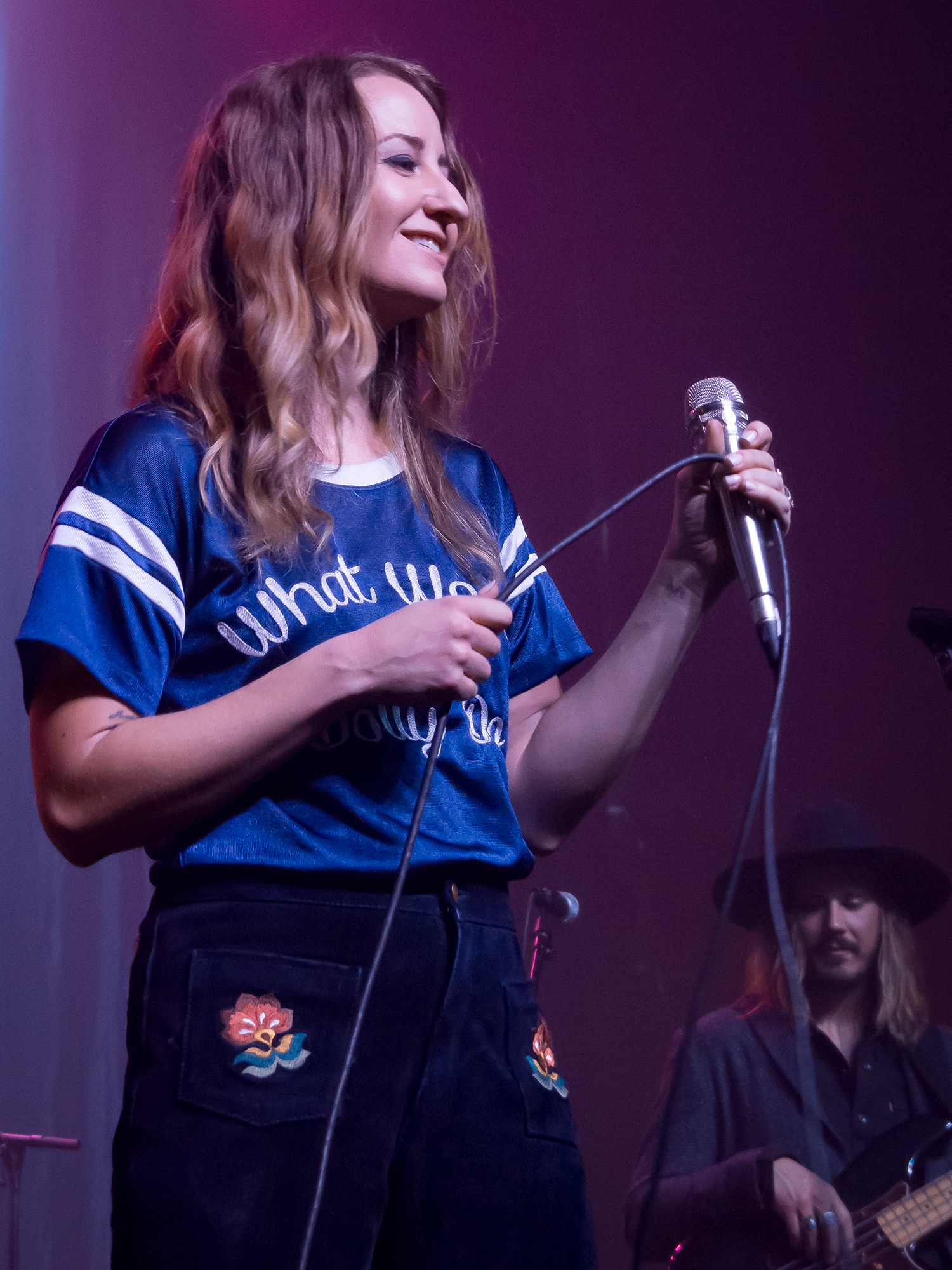
Margo Price is the cleanest example of the country-adjacent artist who built her advocacy first and her product second. The Nashville songwriter broke through with the 2016 album “Midwest Farmer’s Daughter,” released on Jack White’s Third Man Records, then spent the next several years putting cannabis into her songwriting and her interviews with a directness that had no precedent in mainstream Nashville. By the time she launched her own hemp CBD line in 2020 the audience knew exactly what they were buying. Rolling Stone Country covered the launch at the time as a logical next step rather than a brand pivot.
The product line itself is small and intentional. Hemp-derived full-spectrum CBD oil in the 500 to 1,000 milligram range, a topical balm aimed at the post-show muscle soreness that road musicians actually deal with, and limited-run tour merch tying the brand to specific album cycles. Pricing sits in the same mid-tier band as Willie’s Remedy. The supply chain is contracted out to a Tennessee hemp processor with public lab results. The volume is modest. The point was never to compete with mass-market CBD.
The point was to give Margo’s audience a product that matched the values she had been singing about for half a decade.
The advocacy is the bigger story. Margo wrote a 2022 essay for Time magazine about using cannabis to navigate grief after losing her infant son, and the essay landed in the middle of an ongoing national conversation about cannabis and mental health that had not previously included a country-music voice. She has testified at federal cannabis policy events, spoken at NORML conferences, and used her tour platform to push for federal rescheduling. NPR’s Fresh Air covered her advocacy when “Strays” came out in 2022.
Distribution for the CBD line has stayed deliberately small. Tour merch tables, a handful of independent hemp retailers, and direct-to-consumer through her website during active product cycles. There is no mass retail push. No big-box partnership. The product exists as a bridge between the artist and the audience rather than as a venture-backed brand chasing CPG scale. That restraint is itself the value proposition. Listeners who buy Margo’s CBD are buying it from Margo, not from a brand that licensed her name.
The artist herself fits the outlaw-country lineage Willie helped build. Born in Aledo, Illinois, raised on her grandparents’ farm after her family lost theirs to foreclosure, she moved to Nashville in 2003, spent more than a decade getting rejected by every major label in town, pawned her wedding ring to fund the studio time that produced “Midwest Farmer’s Daughter,” and broke through at 32 with a record nobody in the industry had asked for. The biography is the brand. The CBD line is a small piece of the larger story of an artist who treats cannabis as ordinary and mental health as urgent and corporate Nashville as something to work around rather than into.
The verdict on Margo Price’s CBD work is that it is the model for what a small-scale artist cannabis line should look like. No fabricated celebrity story. No outsourced operations dressed up as hands-on involvement. A real product, modestly distributed, that exists because the artist already had the credibility and the audience and the conviction. The advocacy outpaces the brand by a factor of ten and that is the right ratio.
Sturgill Simpson. Advocacy Without a Product.
 |
|
Sturgill Simpson is the clearest example that a product line is not required to count in the country-cannabis canon. The Kentucky-born songwriter broke through with the 2014 album “Metamodern Sounds in Country Music,” opening track “Turtles All the Way Down,” which contains the line about marijuana and DMT and mescaline in the same casual breath. The song landed like a flare. Pitchfork’s review at the time noted that no contemporary country record had treated psychedelics and cannabis with that level of philosophical seriousness, and the broader country press has spent the decade since trying to figure out what to do with him.
Sturgill has not launched a brand. He has indicated in interviews that he has no interest in doing so.
The position is consistent with the rest of his career, which has involved walking away from major label deals, releasing surprise bluegrass records, and skipping awards shows that he was nominated for. His cannabis advocacy is delivered the way he delivers everything else: in the songs, then occasionally in print. A long GQ profile tracked his refusal to play the standard Nashville game and his comfort with making the genre uncomfortable.
The cultural footprint of an artist like Sturgill matters in the brand conversation precisely because it shapes what country audiences are willing to buy. When “Turtles All the Way Down” hit triple-A radio in 2014 and started getting played on stations that had previously refused to touch any song with overt drug content, the Overton window moved. By the time Willie’s Reserve launched in early 2015, a meaningful slice of the younger country audience had already heard a respected songwriter sing about getting high with no apology. The market was being prepared even before the product hit shelves. Sturgill did some of that preparation. So did Kacey Musgraves. So did Margo Price.
What Sturgill represents in the broader picture is the artist who clears the runway without ever stepping onto the plane. He does not need to sell weed for the cannabis-country conversation to include him. The songs are the product. The advocacy is the brand. NPR’s Morning Edition interview around “A Sailor’s Guide to Earth” in 2016 underlined the same theme: a writer who refuses to commercialize the ideas he writes about, including cannabis, even when the commercial path is wide open.
Other artists in the same lane include Kacey Musgraves, whose “Follow Your Arrow” did the same Overton-window work in 2013 from a more pop-leaning side of the genre, and Tyler Childers, whose recent records have addressed substance use and recovery in ways that include cannabis without making it the focal point. None of them have product lines. All of them shape the room that Willie’s Reserve and Willie’s Remedy and Margo Price CBD operate in. The brands need the culture. The culture is being built by artists who do not sell anything.
The verdict on the advocacy-without-a-brand lane: structurally larger than the product market and likely to stay that way. Country artists are wary of celebrity cannabis launches for reasons specific to the genre. The audience overlaps heavily with regions where cannabis is still illegal at the state level, and a brand can alienate a meaningful fraction of the listener base in ways that an offhand lyric will not. The lyric travels everywhere. The product cannot.
The Next Chapter. The People Writing It Are Already in the Room.
 Credit: Forthepeople1969 via CC BY-SA 4.0
 |
|
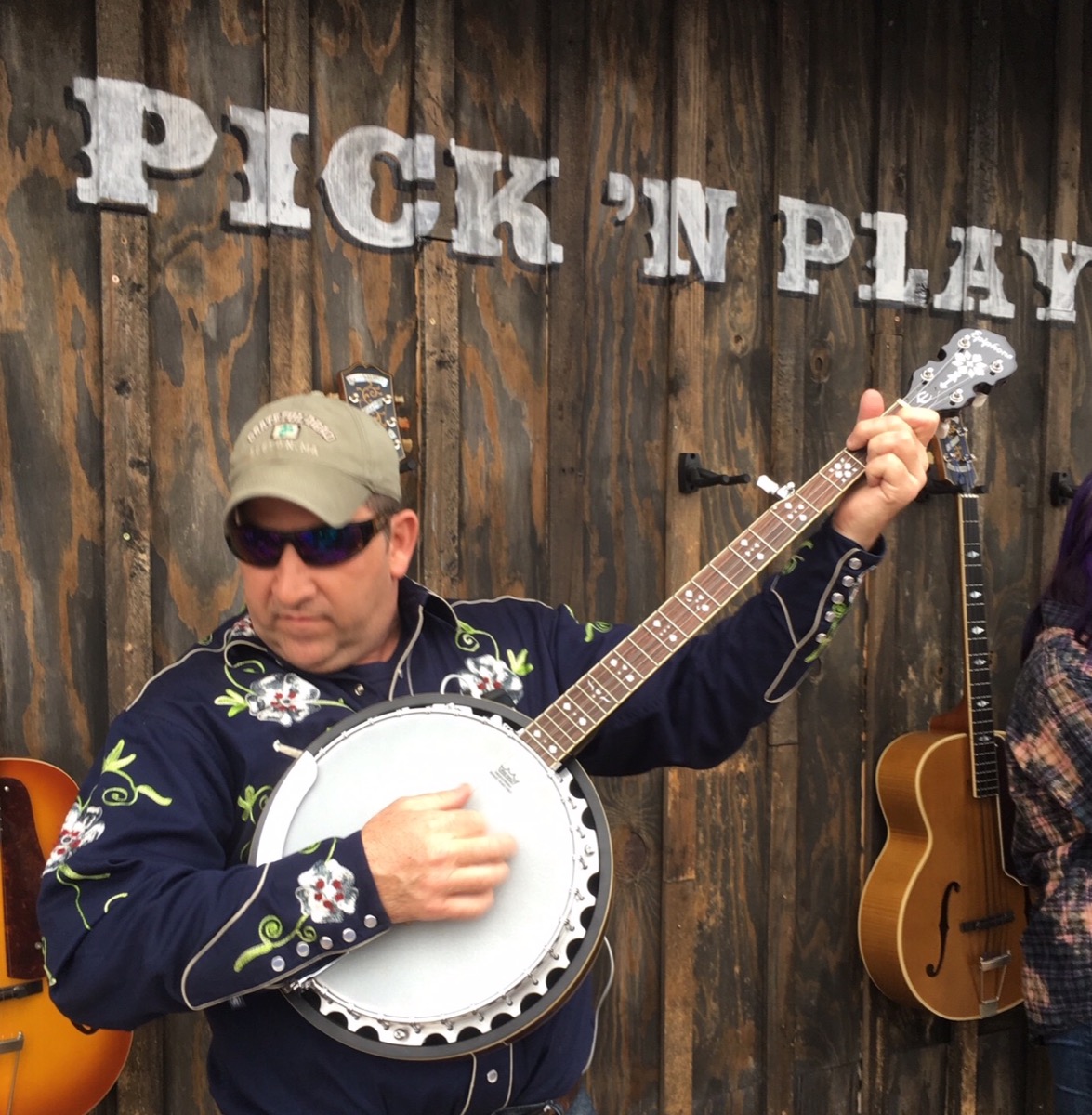
The next decade of country music’s relationship with cannabis is going to look different from the last one for two reasons that have nothing to do with the artists themselves. The first is federal scheduling. As long as cannabis remains a Schedule I substance under federal law, country acts who tour heavily through prohibition states have a real business reason to stay quiet about product endorsements even if their personal politics line up with Willie’s. The DEA’s current scheduling still puts cannabis next to heroin in legal terms, regardless of state-level reform, and tour buses crossing state lines remain the single most common surface area for artist cannabis arrests. Move the schedule and the calculus changes overnight.
The second reason is generational. The artists who came up under the Garth Brooks era of mass-market Nashville treated cannabis as career-ending. The artists coming up now treat cannabis the way the audience treats it, which is to say as ordinary. Tyler Childers, Zach Bryan, Charley Crockett, Sierra Ferrell, the entire bro-adjacent and Americana-adjacent younger cohort that has displaced traditional country radio at the streaming level, lives in a world where cannabis is legal in their tour-routing markets and culturally accepted in most of the rest. The first major brand to come out of this generation will probably look more like Willie’s Reserve than like a Snoop-style portfolio: licensed flower in legal states, hemp CBD federally, modest scale, identity-first rather than scale-first.
The brands most likely to materialize first are not the ones that have been rumored. They will probably come from the artist-owned record label side of the business rather than from major-label imprints. Independent labels like Third Man, Dualtone, and the various artist-owned Nashville imprints have far more flexibility to attach a cannabis brand to a roster artist than a Sony or a UMG would, and several of them already operate in markets where cannabis is legal. Billboard has tracked the slow institutionalization of cannabis-music partnerships at the festival and sponsorship level, and the next logical step is direct artist brand launches with label support.
Festival cannabis is the other adjacent expansion zone. Country festivals have historically been beer-and-whiskey environments. That has started to change. Willie’s own Luck Reunion outside Austin every March integrates cannabis sponsorship and consumption areas in ways that mainstream country festivals would not have considered a decade ago. Luck Reunion remains the closest thing the genre has to a flagship event where cannabis is treated as part of the culture rather than the contraband. As more states legalize and more festivals add consumption lounges, expect country festivals in legal markets to follow the model. That, in turn, expands the surface area where brands like Willie’s Reserve can show up at scale.
For travelers and fans interested in the broader cultural geography of cannabis and music, the related Snoop Dogg cannabis portfolio breakdown is the natural sibling read because hip-hop walked the path country is now slowly walking. The Mike Tyson cannabis empire breakdown covers the boxer-turned-mogul side of the celebrity-brand story, and the stoner movie canon covers the screen side from a similar angle. The stoner comedians ranking tracks the comedy lineage that runs parallel to country’s quiet weed history. The piece on the Church of Cannabis in Indianapolis runs through the religious and spiritual claims people make about the plant. For the broader product-market context Willie operates in, the top California cannabis brands roundup, the Arizona brands roundup, and the New York brands roundup map the state-by-state shelves where Willie’s Reserve sits next to non-celebrity flower. The full cannabis tourism hub ties the regional and cultural pieces together.
Willie sells more cannabis than any musician working today because he started before anyone else was willing to. The brand is eleven years old. Annie’s coffee tin is on the shelf at williesremedy.com and the flower jars are on the shelf at half a dozen state-legal dispensaries, and the audience that buys both is the same audience that bought “Red Headed Stranger” in 1975 and “Stardust” in 1978 and every record since. Country music’s quiet stoner tradition was never quiet. The patron saint just made it loud enough to print receipts.