Cannabis television’s best cooking shows have already streamed. Bong Appétit ended in 2018. Cooked with Cannabis lasted one season. Cooking on High got pulled from Netflix in 2021. Chopped 420 ran five episodes and disappeared. The genre peaked early, the networks moved on, and these are the ten that mattered.
What survived the network exodus is the YouTube and TikTok ecosystem the cooking shows trained. Hilary Yu posts a working recipe a week. JeffThe420Chef has been running tutorials since 2014. Ngaio Bealum still teaches dose math on whatever platform will host him. The format is not dead. It moved.
The ranking below weighs three things: how usable the food actually is at home, how clearly the show explains the chemistry, and how much it respects the viewer who came to learn. Each entry pairs to a working HGH recipe so the credits roll and the cooking starts.
Bong Appétit. The Show That Made the Genre.
 |
|
Before Bong Appétit, infused cooking on television was a punchline. After Bong Appétit, it was a discipline.
The Vice show debuted on Viceland in November 2016 with Abdullah Saeed as host. The first two seasons were structured around extravagant multi-course dinners cooked by chefs who actually understood what cannabis did to a sauce reduction. Saeed’s Wikipedia entry notes the series was nominated for a James Beard Award. That is not a sentence the genre had ever earned before.
Saeed’s hosting approach was the trick. He treated each chef like a craftsperson, asked the questions a curious home cook would ask, and never broke the spell by acting like cannabis was a novelty. The dinners were pegged to a theme. The chefs were vetted. The food photography was lush enough to run on Munchies as stand-alone editorial. By the end of season two the show had earned a tie-in cookbook, Bong Appétit: Mastering the Art of Cooking with Weed, with 65 recipes that still hold up.
The chef rotation was the real secret weapon. Vanessa Lavorato, founder of the chocolate confectioner Marigold Sweets, became the unofficial pastry voice of the series. Miguel Trinidad, executive chef at Manhattan Filipino restaurant Maharlika, brought the savory technique. Together they were the working argument for treating cannabis as a culinary ingredient with its own behavior under heat and acid, not as an additive to be hidden inside a sweet dessert. Watching Trinidad sweat aromatics into infused olive oil is the single best on-screen demonstration of how cannabis behaves when paired with other fats.
Season three rebranded as Bong Appétit: Cook Off. The format pivoted to a competition with B-Real of Cypress Hill, Lavorato, and Trinidad as the rotating judges, joined by celebrity guests. Wikipedia documents the format change as divisive, with longtime viewers split between the slow-cooked dinner-party feel of the early seasons and the tighter pacing of the cook-off. Either way, the show’s foundational lesson stayed intact: start with infused fat, and start clean.
The takeaway from any Bong Appétit episode is that everything begins with cannabutter. Make it once. The HGH cannabutter guide covers decarb temperature, strain-to-butter ratios, and the strain-out step that determines whether the finished butter tastes like pasture or pond water. Watch any Bong Appétit episode with that recipe open and the chefs run the same fundamentals: low and slow simmer, controlled water-to-butter ratio, fine-mesh strain that nobody on the show ever skipped.
Cooked with Cannabis. Kelis Brings the Cordon Bleu.
 |
|
Netflix dropped Cooked with Cannabis on April 20, 2020. The platform knew what it was doing.
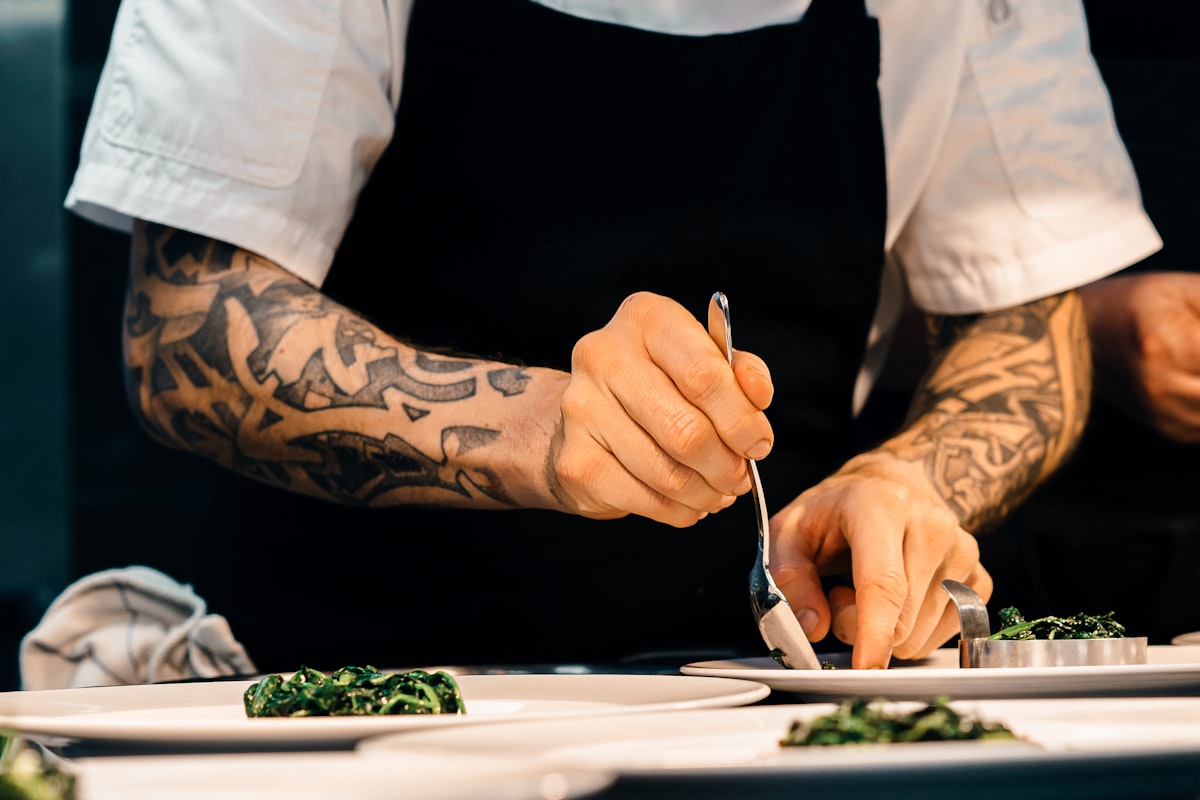
The show paired singer-turned-Le-Cordon-Bleu-trained-chef Kelis with Portland chef Leather Storrs and gave them three professional cannabis chefs per episode to compete in a three-course infused tasting menu. Eater’s review nailed why the show worked: Kelis is a credentialed chef who happens to be famous, not a famous person who learned to plate for the cameras.
The format was intentionally low on stakes and high on craft. Each episode opens with an infused appetizer or cocktail at the table, then moves into the kitchen for the three-course battle, with celebrity guest judges who actually consume the food on camera. The on-camera consumption is what set the show apart from every other cooking competition on Netflix. Most infused cooking shows hand-wave the eating. This one filmed it, then filmed the conversation thirty minutes in.
Storrs, who runs Noble Rot in Portland, brought the technical voice. He explains why the host chefs use infused olive oil instead of butter for some sauces, why others reach for tinctures, and how to think about dose the way a chef thinks about salt: distributed evenly across the plate, never dumped in one bite. That single-frame lesson is the most useful thing the show teaches, and it is the lesson the cooking shows that came before it never managed to land in plain language.
The guest list across the six-episode first season was the other tell that Netflix took the show seriously. Comedians, musicians, and chefs cycled through. The back-half of each episode, where the judges actually ate the food and talked about how it hit, gave the show something Bong Appétit had only flirted with: the after-dinner conversation that happens at any real cannabis dinner party. Kelis kept that conversation moving with the comfort of someone who had hosted a dinner table before, repeatedly, on her own cooking platforms.
The episode worth queuing first is the Halloween-themed shoot with rapper Rick Ross. The appetizer round runs through a savory infused olive oil drizzle. To cook along, build a batch of cannabis infused olive oil first. Same decarb logic as butter, swap the fat, then dress everything from a bistro salad to roasted chicken with a measured spoon. Once the oil is in the fridge, mirror almost any savory plate from the show without rerunning the whole infusion.
Cooking on High. Netflix’s Quiet Pilot Five Years Early.
 |
|
Cooking on High premiered on Netflix on June 22, 2018, almost two years before Cooked with Cannabis, and quietly served as the platform’s pilot to see if cannabis cooking would scale.
The format was bare-bones by design. Twelve-minute episodes. Two chefs cooking one infused dish each. Two celebrity judges picking a winner. Per Wikipedia, the show was originally produced as a web series, which explains the sprint-pace running time.
The show’s host was YouTuber Josh Leyva. The redeeming player, by every contemporaneous review, was cannabis activist and comedian Ngaio Bealum, who delivered the “strain of the day” segment and the show’s real cooking chemistry.
“The worst food show on Netflix,” with Bealum as “the one redeeming quality.”
Sonia Rao, The Washington Post
The criticism was fair on production but unfair on usefulness. The show packed twelve episodes into a single season and treated each one as an isolated micro-tutorial, which meant a viewer could pull a single recipe and a single dose lesson out of any episode without having to watch the whole season in order. That is exactly the structure modern short-form video uses now. Cooking on High looks, in retrospect, like a streaming-era prototype that landed five years before the audience was ready.
The show was removed from Netflix in June 2021 and is now a curiosity rather than a current recommendation, but its place in the timeline matters. Cooking on High proved that infused cooking could function as snackable content. The 12-minute format anticipated the short-form cannabis cooking that now dominates YouTube and TikTok. If archived episodes turn up online, watch them for Bealum’s segments and skip the rest.
The single takeaway from Cooking on High is the dose-per-portion math. Bealum repeats the same fundamental every episode: weigh the flower, calculate THC milligrams, divide by servings, write the per-bite dose on a piece of tape stuck to the storage container. That is the same math the HGH cannabis hash brownies guide walks through, with a worked example for a standard 9×9 pan and a 5 mg per square target. Internalize the math once and every infused recipe on every show in this list becomes legible.
Chopped 420. Food Network Finally Joins the Party.
 |
|
For a long time the Food Network would not touch cannabis. Then Discovery+ dropped Chopped 420 on April 20, 2021.
The five-episode infused-cooking spin of the long-running Chopped franchise put the format through a single deliberate twist: every basket included a cannabis ingredient. Wikipedia lists the judging panel as Esther Choi, Luke Reyes, Sam Talbot, Tacarra Williams, and drag queen Laganja Estranja. The format itself was vintage Chopped: mystery basket, three rounds, time pressure.
The cooking was good and the production was Food Network polish, which mattered. Chopped 420 normalized infused cooking for a viewer base that had never seen it on a major culinary network. Judges critiqued plating, salt, doneness, and dose distribution with the same vocabulary they would use on regular Chopped, which sent a quiet message: this is real cooking, not a stunt.
Esther Choi was the strongest judge of the panel. The Mokbar chef ran her critiques the way she runs her kitchens. Blunt. Technique-first. Unwilling to forgive a contestant for failing to plate cleanly even when the underlying flavor work was solid. Sam Talbot, who came up through Top Chef, anchored the savory rounds. Laganja Estranja, the only judge with a public cannabis-industry profile beyond cooking, handled the dose-and-effect commentary that the franchise’s network format barely allowed time for.
The show is no longer available on Discovery+, which is a frustration. Episodes circulate in unofficial archives, and Food Network has not announced a return. If the appetite is there, Chopped 420 is the recipe for a second season: bring back Choi and Talbot, swap in a working pastry chef for the dessert round, let the basket include both flower and concentrates so contestants pick their infusion path on the fly.
The dessert-round episodes are where Chopped 420 turned into a tutorial. Watching pastry contestants race through cookie dough on a clock teaches you exactly how heat and butter interact when you skip the slow-and-low rule. For the version that actually works at home, build the HGH cannabis chocolate chip cookies recipe at 350 degrees and treat the dough like the show’s contestants wish they could have. Rest it. Dose it accurately. Bake just past the underdone middle.
Bake Squad. The Closest Thing Netflix Currently Offers.
 |
|
Bake Squad is not a dedicated cannabis cooking show. It earns inclusion because Christina Tosi’s series is the closest format Netflix currently has to the dessert energy that Bong Appétit and Chopped 420 used to deliver.
Per Wikipedia, the series premiered August 11, 2021 with eight episodes and returned January 20, 2023 for a second eight-episode season, all hosted by Milk Bar founder Tosi.
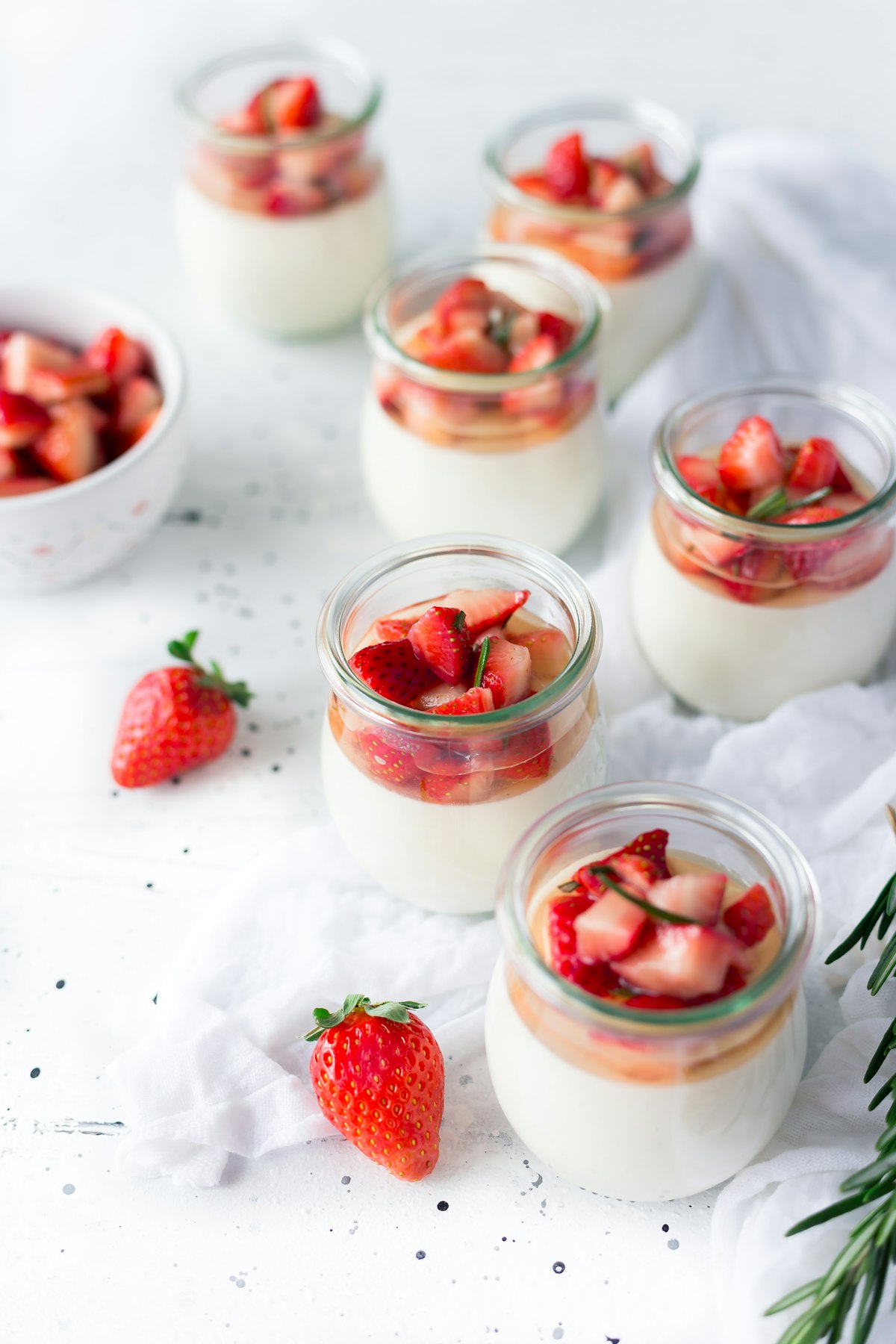
The show is lightly competitive, with no eliminations and no prize money. Four returning bakers compete to make a dessert for a per-episode client, and Tosi acts as creative director. The reason it belongs in this conversation is what Bake Squad teaches about scaling a dessert recipe. The bakers routinely calculate ingredient ratios for events of fifty to three hundred guests, which is the exact math an infused-cooking host needs when adapting a 9×9 brownie pan up to a sheet pan.
Substitute infused butter for the standard butter in any Bake Squad recipe and the playbook works. The show does not address dose, because Netflix will not greenlight that on a baking competition aimed at family audiences, but the structural lessons translate. Tosi’s recurring instruction to her bakers to respect the recipe before remixing it is the same instruction every infused cook needs to hear once a week.
The bakers themselves are the asset. Maya-Camille Broussard’s pie work is the most directly transferable to infused dessert cooking, because pie crust is a butter-driven dough that tolerates the swap to infused butter without losing structure. Watch any episode where Broussard is leading the round and pay attention to how she manages temperature. The same discipline keeps an infused crust from over-extracting in the oven.
The most useful application is Bake Squad’s repeated wedding-cake episodes. Watching the bakers troubleshoot moisture, density, and stacking gives you the architecture for an infused cake of your own. Pair the technique with a working dose plan and a tested base, like the HGH cannabis hash brownies guide, before scaling to anything taller than a single layer.
High Maintenance. The Show That Taught Television to Whisper.
 |
|
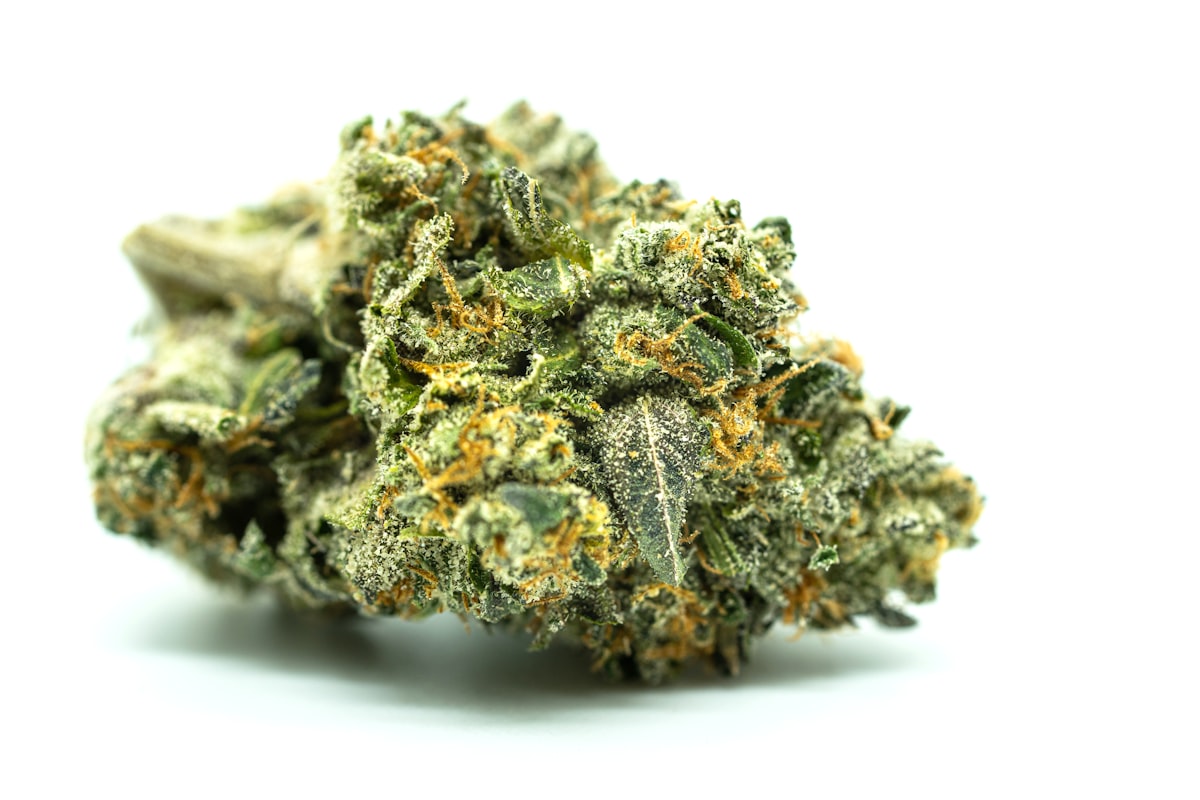
High Maintenance is not a cooking show. It is the cannabis show that shaped how every cooking show after it talks about weed at the dinner table.
The HBO anthology dramedy follows a New York cannabis courier known only as The Guy, played by co-creator Ben Sinclair, who delivers product to a rotating cast of clients across Brooklyn. It belongs on this list because, more than any infused-cooking show, it rewired the on-screen vocabulary the next generation of food-and-cannabis programming inherited.
The show ran six web episodes on Vimeo from 2012 through 2015 before HBO picked it up, with four television seasons running from September 2016 through April 2020, per Wikipedia. Critics agreed it was extraordinary. Rotten Tomatoes scored season two at 100 percent and Metacritic gave it 85, marking universal acclaim. The episodes worth queuing for cooking-adjacent viewing are the ones where The Guy stays for a meal: the dinner-party episodes show what edibles look like inside a recognizable adult social setting.
What High Maintenance does that no infused cooking show has matched is treat cannabis as a normal household ingredient, not a punchline. The food on screen is real food, cooked by real characters, and weed is part of the meal in the same way wine is part of an Italian dinner. To cook in that mood, the HGH cannabis mac and cheese recipe is the right entry point. Comfort food, predictable dose, easy to share, and the kind of dish The Guy would not blink at if you set him a bowl on the counter.
Sinclair’s casting of The Guy was the show’s other quiet contribution. He plays the courier as an emotionally available adult who happens to sell weed, not as a stoned cliche. That casting choice rewired the on-screen vocabulary for cannabis professionals across the next half-decade of prestige television, and it is the reason the cannabis cooking show in 2026 can credibly cast a Le Cordon Bleu chef as host without anybody finding the pairing strange.
The show’s other contribution is its courier-character framing. Treating cannabis as a service industry, not a stoner trope, shifted how mainstream viewers thought about delivery, dispensaries, and the people who run them. Every cannabis cooking show that has aired since High Maintenance has benefited from that cultural rewiring, whether or not the producers realize it.
Hilary Yu. The Network Quietly Moved to TikTok.
 |
|
The cooking shows that ran on Netflix and Discovery+ are mostly gone or stalled. The vacuum got filled by creators on TikTok and YouTube Shorts, and the breakout cook in that space is Hilary Yu.
Yu’s videos run two to three minutes, deliver a complete recipe per clip, and walk through dose math in plain language. Her infused buttercream and infused honey clips routinely cross a million views. Her audience skews younger, female, and culinary-curious in a way that Bong Appétit’s never quite did.
The format she runs is exactly what the legacy networks failed to keep up with. Quick edits, recipe text on screen, dose written into the caption, no influencer stunting. She works in her own kitchen, uses the same equipment a home cook owns, and never asks the viewer to buy a niche tool. The result is that her videos function as drop-in tutorials. Her cannabis honey explainer is a working primer on water-displacement infusion that competes with anything the cable networks aired.
Yu’s broader contribution is the weekly cadence. Bong Appétit dropped a season per year. Cooking on High dropped one season ever. Yu publishes multiple infused recipes a week, which means a viewer who follows her builds an actual repertoire over a few months. That kind of compounding learning never happened on television because the seasons were too short and too far apart.
The other thing Yu does well is the demographic shift. Most legacy cannabis cooking shows were built around a male host and a male-coded audience: the lone-wolf chef in a dimly lit kitchen, the rapper at the judges’ table, the professional cook explaining things to the camera in chef whites. Yu’s videos look like a friend showing you how to make a cocktail. That hospitality framing is the reason her audience cooks the recipes instead of watching and forgetting.
The most useful Yu video to start with is her infused olive oil pasta sauce, because it teaches the technique without burying it in equipment. Build the base with the HGH cannabis infused olive oil guide, then apply Yu’s sauce-and-finish method to the next weeknight pasta. Same principle, longer recipe, equally repeatable.
JeffThe420Chef. The Original Infused-Cooking Textbook on YouTube.
 |
|
Before TikTok, before Bong Appétit, there was JeffThe420Chef.
Jeff Danzer was profiled by The Cut in 2015 with a single line that did most of the work for the rest of his career.
“The Julia Child of weed.”
Profile in The Cut, July 2015
The comparison was earnest. Danzer’s signature contribution was the multi-stage water-bath blanching process for cannabis, designed to strip the chlorophyll taste out of butter so the finished food no longer tasted like a lawn clipping.
The Danzer method is finicky. It involves blanching dried flower in cold water, changing the water multiple times, and only then proceeding to decarb and infuse. Some cooks swear by the result. Others find the flavor improvement marginal and the prep time disqualifying. Either way, JeffThe420Chef’s YouTube channel and his cookbook, The 420 Gourmet, are the foundational text on flavor-forward cannabis cooking. Every YouTube infusion video that talks about cleaning up the cannabis flavor is borrowing from his playbook, whether the creator credits him or not.
The cooking-show-style production on his channel never matched cable network polish, but the content depth is unmatched. Danzer covers fat selection, decarb troubleshooting, dose math, and storage in a way that no half-hour broadcast episode could fit. For a single instructional source for serious infused cooking, his channel is still the most complete one online.
The Danzer playbook also pioneered the dispensary partnership content model that creators run on Instagram and YouTube today. He filmed dosed dinner parties for clients in Los Angeles, billed himself as a private cannabis chef for celebrity clients, and turned that on-camera dinner format into a steady booking pipeline. That business model is the one most working cannabis chefs in 2026 still use, and Danzer was running it before there was a category name for it.
The single recipe to test his method against is a basic cannabutter, because that is where the chlorophyll-removal claim either holds or falls. Run his blanching protocol, then run the standard HGH cannabutter recipe without it, and taste both side by side. Whichever wins is the one to keep making.
Wake and Bake America. The Morning Show That Almost Worked.
 |
|
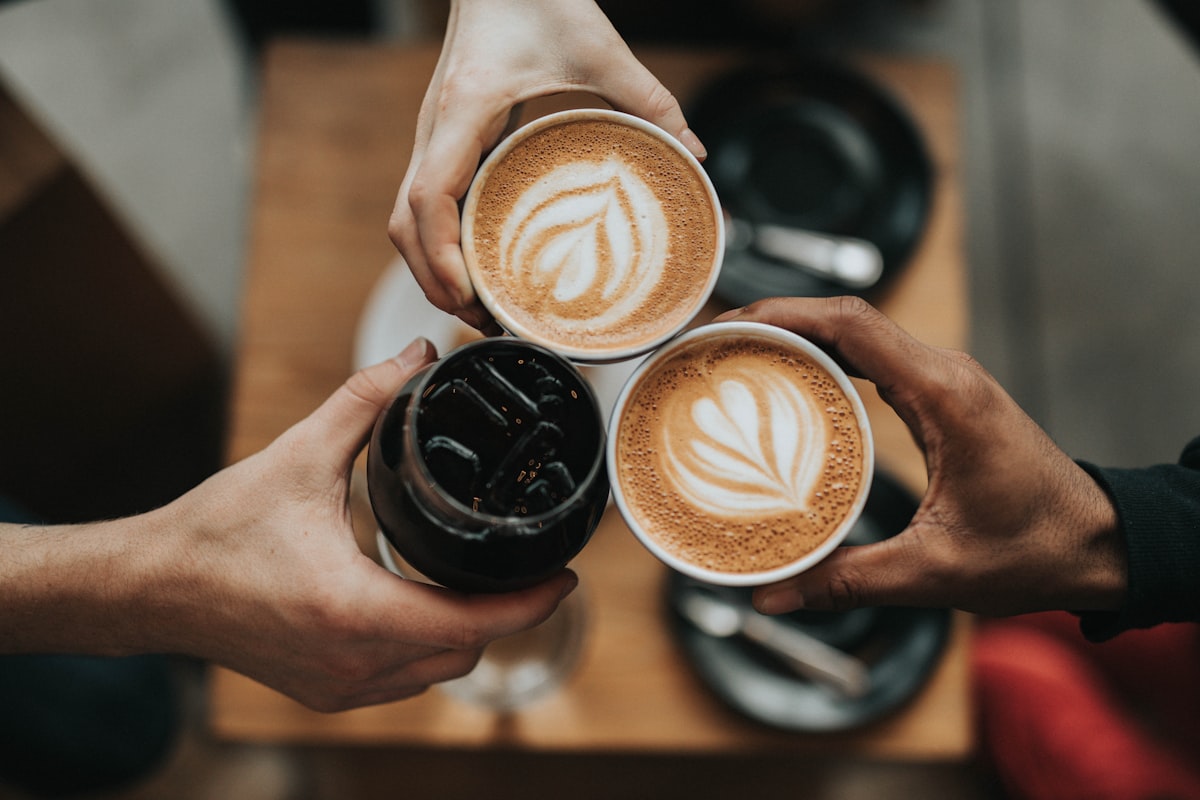
Wake and Bake America aired as a syndicated cannabis morning show beginning in 2017, distributed through CRTV and Roku.
The show ran a daily live format with infused cooking segments alongside cannabis news, music, and lifestyle coverage. The conceit was straightforward. Build the cannabis-industry equivalent of Good Morning America, and let infused cooking sit naturally in the lifestyle hour.
The cooking segments were the strongest part of the show. Hosts walked through quick-fire infused recipes, often built around a single dispensary product per week, and did so with the relaxed conversation pacing that morning television runs on. The demonstration-pace explanation made the segments unusually friendly for first-time edibles cooks, who often need to hear a recipe step explained twice in a row.
The show struggled with distribution and consistency, and most of the original episodes are now scattered across YouTube clips rather than archived in one place. The format itself is sound, though, and someone will eventually try it again on a streaming-first platform. When that happens, the playbook will look a lot like what Wake and Bake America was already running.
The format also previewed something the next wave of cannabis television will probably need. A daily-cadence show built around dispensary product drops. The audience for cannabis cooking is also the audience that follows new product releases, and a morning-show format is the natural home for tying a weekly recipe to a specific live-menu strain or edible. Wake and Bake America was running that loop before the dispensary product cycle was mature enough to support it.
The recipes that worked best were the bite-sized snacks. Gummies, infused fruit leathers, infused popcorn for game day. The simplest version to cook at home now is a gummy batch using the HGH cannabis gummies guide, which walks through tincture-to-mold ratios, gelatin behavior, and the dose-per-piece math that morning-show segments rarely had time to explain in full.
Munchies Cannabis Specials. The Bong Appétit Voice Lives On.
 |
|
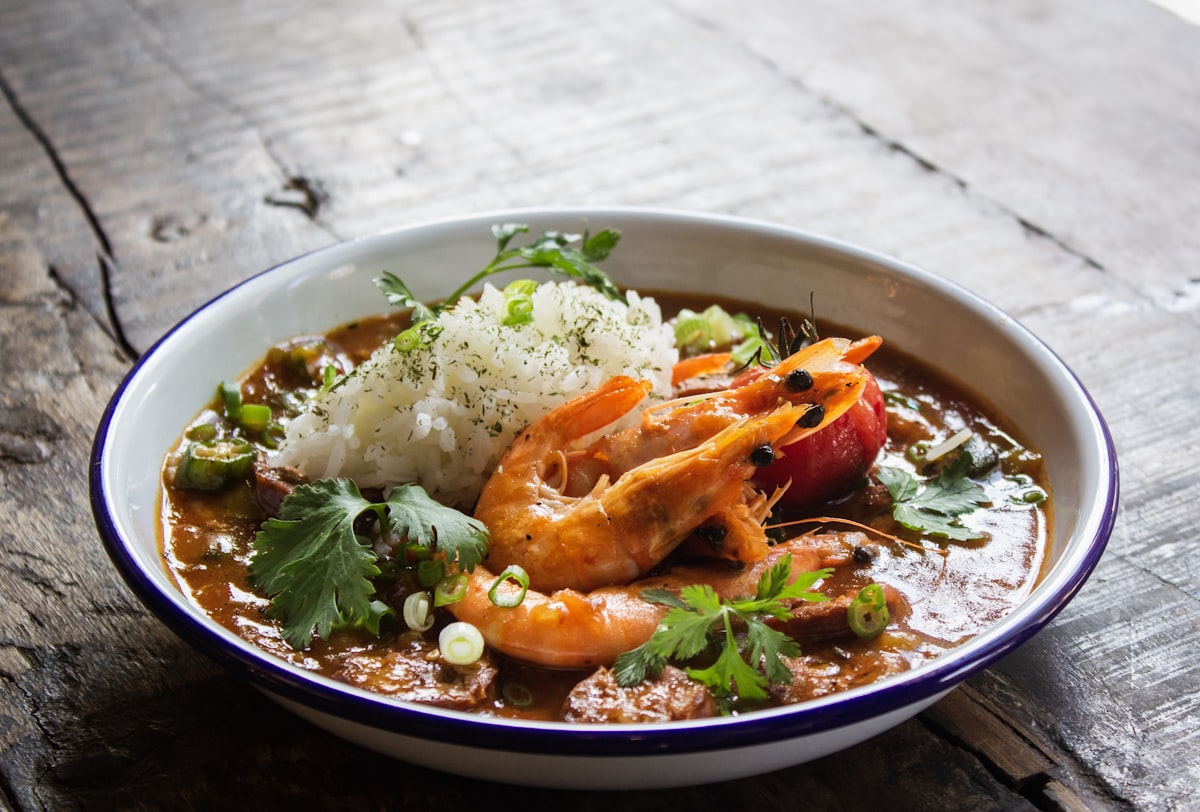
After Bong Appétit ended its run, Vice’s food vertical Munchies kept publishing cannabis cooking content as one-off specials and digital editorial.
The Munchies cannabis tag still hosts standalone videos with chefs like Miguel Trinidad, Vanessa Lavorato, and a rotating set of dispensary-affiliated cooks, often pegged to a holiday or a 4/20 push.
The format is not a series, which is the point. Each special is a self-contained episode, usually six to twelve minutes, focused on one chef and one dish. The shorter run time and looser pacing let the chefs explain technique without the network-imposed competition framing that watered down some of the later cable shows. A single Munchies cannabis special is often more instructive than a full episode of Cooking on High.
The catalogue is uneven and the publishing cadence is irregular, especially after Vice’s 2023 bankruptcy and 2024 restructuring documented by Variety. The cannabis specials that stayed online, however, remain the best surviving evidence of the Bong Appétit-era voice. They are also the most reliable place to see Lavorato and Trinidad on camera in the years since the show ended.
The infused-dinner episodes are the ones to start with, because the dinner-party framing translates straight to a home meal. Pair a Munchies main-course special with the HGH cannabis mac and cheese as the side, dose the entire spread to land at five milligrams per guest serving, and the result is a working approximation of what a Bong Appétit table felt like in 2017.
The Genre Peaked Early. Watch the Show. Cook the Dish.
The cluster of shows from 2016 through 2021 looks, in hindsight, like a pilot run. Bong Appétit, Cooking on High, Cooked with Cannabis, and Chopped 420 all aired and ended inside a five-year window. The networks moved on. The streamers reshuffled. The cable cannabis-cooking show as a category effectively went on pause. What the moment proved is that a sustained audience exists for infused cooking when it is treated as cooking first and weed second.
The next wave of the format is already running on YouTube and TikTok, and the next mainstream attempt will probably look more like a streaming-platform series than a cable show. The viewers who learned cannabutter from Saeed and dose math from Bealum are now the audience that wants a Netflix-quality dinner-party series from a credentialed chef, with on-camera consumption, transparent dosing, and recipes that work at home. Until that show ships, the playlist above is the working syllabus.
The shift worth tracking is the movement from the network as the platform to the recipe as the platform. A viewer who watches an infused episode and then does not have a working recipe to cook the next night is a viewer who churns. The cooking shows that stuck, on television and on YouTube, are the ones that left the audience holding a recipe they could actually use. That is the whole reason this list links to a working HGH guide on every entry, and the reason a movie-night meal pairs better with a movie like the lineup in best stoner movies ranked, a full menu like the Pineapple Express movie-night menu, or a sitcom queue like the best stoner sitcoms and TV shows.
Cannabis television’s best cooking shows have already streamed. The recipes are still here. Watch the show. Cook the dish. Eat with friends.