My first cannabis tincture was a college experiment that ended with my roommate Ted eating an entire bag of pretzels at 2 a.m. and asking the wall if it was okay. I had been reading about how tincture hit faster than edibles, no decarb-then-bake nightmare, just a few drops under the tongue or into a drink. I made a batch in a Mason jar with Everclear and an eighth of whatever was around, shook it once a day for a month, strained it, and called my friends over for what I billed as a cocktail night.
I underestimated the dropper. A full standard dropper is about 30 drops or roughly one milliliter. I figured Ted could handle five drops in his rum-and-coke. He took the whole dropper. By minute twenty he was wandering around the kitchen describing the texture of the linoleum.
The lesson came back to me sober the next morning, and it has been the lesson every time I have made a tincture since. Tincture is fast. Sublingual onset runs 15 to 30 minutes versus 60 to 90 for an edible that has to clear the liver, which is exactly why people choose it for dosing precision. And the dropper is your dose. Five drops is a starter sip, not a full Ted. That sentence is the whole article. Everything below is mechanics.
Why you’ll love this cannabis tincture recipe
- Fast onset. 15 to 30 minutes sublingual versus 60 to 90 minutes for a standard edible.
- One bottle covers months of dosing. A 4-ounce batch is roughly 120 doses at one dropper each.
- Dose precision by drops, not crumbs. Roughly 0.3 to 0.4 mg of THC per drop from a standard ratio. You can scale up by drop count.
- Works in cocktails, mocktails, tea, and cold finishing. Drop it into a drink, a salad, or whipped cream the same way you would use vanilla extract.
- No oven-then-bake hassle. Decarb first if you want speed, or skip the oven entirely and let a long cold cure pull the cannabinoids over time.
- Stores 2+ years in dark amber glass. Alcohol is one of the most stable carriers for cannabinoid storage.
Here’s how cannabis tincture actually works
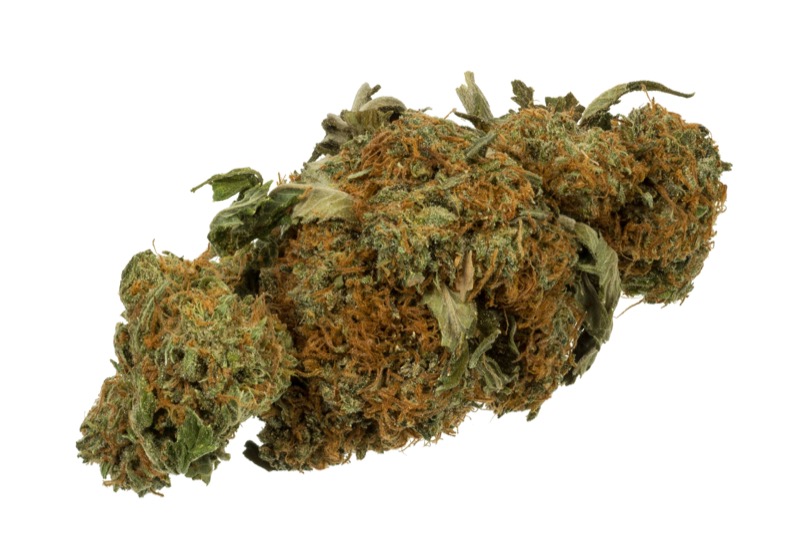
Three things are happening when you make a tincture, and getting any one of them wrong is what turns a clean batch into a swampy green mess.
The first is the solvent. Alcohol pulls cannabinoids out of plant material because THC and CBD are highly lipophilic and dissolve readily in high-proof ethanol. The standard tincture solvent is Everclear at 151 or 190 proof, which is 75.5 percent or 95 percent alcohol by volume. Lower-proof spirits like vodka extract less and add a lot more water to your finished bottle. The water dilutes the alcohol, dilutes the dose per drop, and shortens shelf life. If alcohol is off the table, food-grade vegetable glycerin works as a substitute, but it extracts more slowly (60 to 90 days versus 30), tastes sweeter, and lands lower-potency than an Everclear cure.
The second is decarboxylation. Raw cannabis flower contains cannabinoids in their acid form, primarily THCA and CBDA. THCA is not psychoactive on its own and converts to active THC only when heated past about 220F. If you want a fast-onset psychoactive tincture, you decarb the flower first by baking it at 240F for 30 to 40 minutes before it hits the jar. If you want a cold-cure raw tincture (closer to RSO territory, more THCA, less psychoactive, longer cure), you skip the oven and let the alcohol pull cannabinoids over a 60-plus day infusion at room temperature.
The third is route of administration. Sublingual uptake (under the tongue, held for 60 to 90 seconds) bypasses the liver and lands in the bloodstream through the mucous membranes. Sublingual cannabinoid absorption peaks at roughly 15 to 30 minutes and produces a different metabolite profile than oral ingestion. If you swallow the tincture or drop it into a hot drink, it behaves like an edible: 60 to 90 minute onset, longer duration, harder to titrate. The Mason-jar method works for both routes, but the dosing math changes. Plan for it.

Why a Mason jar instead of plastic. Glass does not leach compounds into high-proof alcohol. Plastic does. The standard quart Mason jar gives you headspace to shake the contents daily, and the wide mouth makes loading flower and straining easier than a narrow-neck bottle.
Pro tips for the best cannabis tincture
Decarb first if you want speed.
Bake flower at 240F (115C) on parchment for 30 to 40 minutes, stirring once at the halfway point, until the color shifts from bright green to uniform toasted brown. Decarboxylation efficiency runs roughly 70 to 90 percent under standard home-oven conditions, with most of the conversion happening in the first 30 minutes. If you skip decarb, your tincture will mostly be a THCA tincture: noticeably less psychoactive, with a slower and softer feel that some users prefer.
Use the highest-proof alcohol you can find.
Everclear at 151 or 190 proof is the standard. 190-proof Everclear is 95 percent ABV, which is the cleanest extraction for cannabinoids and the longest shelf life for the finished bottle. Lower-proof spirits add water, and water dilutes the alcohol below the threshold where it pulls cannabinoids efficiently. If 190 is illegal in your state, 151 is fine. Vodka at 80 proof works in a pinch but expect a weaker, harsher tincture and roughly half the shelf life.
Shake daily for at least 30 days.
Daily agitation breaks down trichomes faster and keeps the flower in contact with fresh solvent. Some recipes skip the cure entirely and use a “Green Dragon” same-day shortcut: seal the Mason jar, place it in a water bath at 170F (77C) for 30 minutes, and call it done. The shortcut works, but the slow cure tastes cleaner and tests stronger because cold extraction pulls fewer water-soluble plant compounds (chlorophyll, lipids, harsh tannins) into the bottle.
Five drops is a starter sip, not a full Ted.
A standard glass dropper is roughly 1 milliliter or 30 drops when held vertical. From a 7-gram batch of 20 percent THC flower infused into 4 ounces (118 ml) of Everclear, you get a bottle in the neighborhood of 10 mg of THC per dropper full and roughly 0.3 to 0.4 mg per drop. Start at 5 drops, wait 30 minutes, dose up. Tincture is fast enough that you can re-dose in the same session without committing to an edible’s two-hour wait. Overconsumption of cannabis can produce intense anxiety, panic, and rapid heart rate, and a full dropper of homemade tincture lands somewhere between a moderate and a heavy edible dose. Treat it accordingly.
Strain twice through cheesecloth, never squeeze.
Line a fine-mesh sieve with two layers of cheesecloth over a clean glass measuring cup. Pour the Mason-jar contents through and let gravity do the work for 20 to 30 minutes. Squeezing the cheesecloth forces chlorophyll, plant lipids, and bitter alkaloids into the tincture, which is the single most common reason a homemade tincture tastes harsh and looks like swamp water. Patience here is the difference between a tincture you’ll actually use and a bottle you avoid.
Store in dark amber glass, away from heat and light.
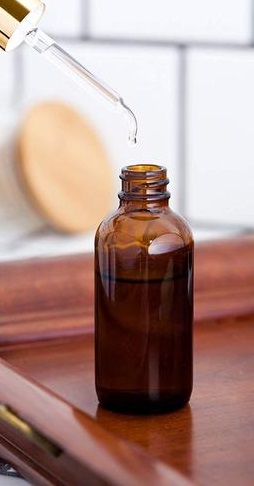
Light and heat degrade cannabinoids over time, and clear glass on a sunny shelf can lose meaningful potency in months. THC degrades to CBN with prolonged exposure to light, heat, and oxygen. A small amber dropper bottle in a cabinet or drawer stays stable for two-plus years. Label every bottle with the date it was made and the dose-per-drop you calculated.
Variations and substitutions
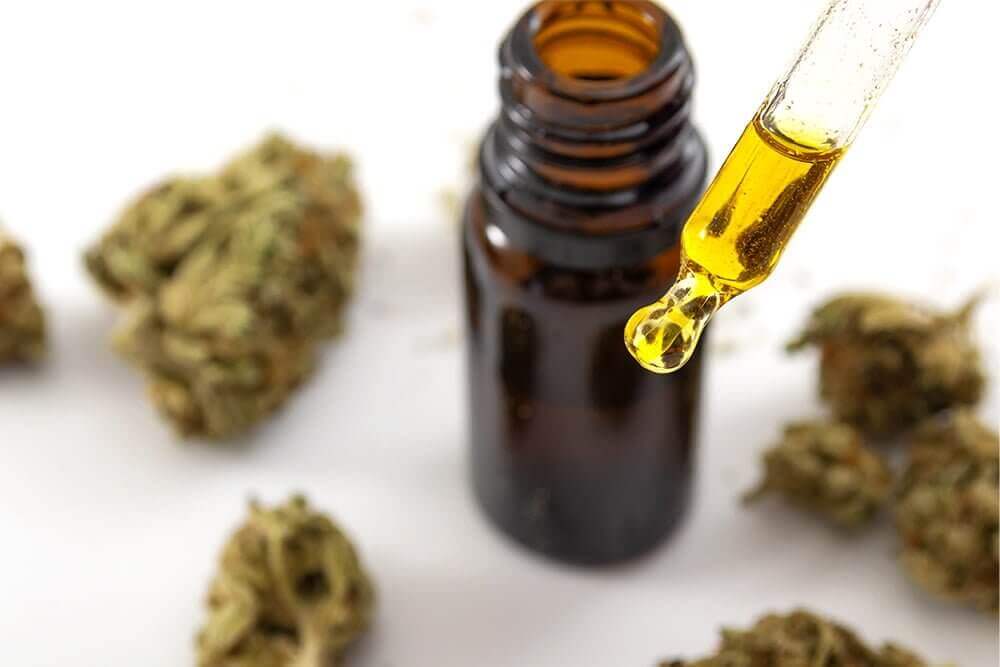
- Glycerin tincture. Swap the Everclear for food-grade vegetable glycerin. Cure 60 to 90 days instead of 30, gentle daily shake. Sweeter, alcohol-free, lower potency, and friendlier in taste for users who don’t want the burn of high-proof alcohol under the tongue.
- Same-day Green Dragon shortcut. Seal a Mason jar with the decarbed flower and Everclear, place in a saucepan of water at 170F for 30 minutes (use a thermometer; do not exceed 180F or the alcohol will boil and the seal can fail). Same yields, faster timeline, slightly harsher taste.
- Lower or higher dose. Scale flower per ounce of alcohol. Half-strength is 3.5 grams in 4 oz Everclear. Double-strength is 14 grams in 4 oz, though the bottle will be murkier and the dose-per-drop math gets harder to track.
- Add flavor. A few drops of food-grade peppermint oil, citrus zest, or a vanilla bean masks the green-alcohol taste without affecting potency. Add the flavoring to the jar in the last week of the cure.
Storage, make-ahead, and dosing math
- Make-ahead: Tincture is the most make-ahead-friendly cannabis format on the menu. A single 4-ounce batch is roughly 120 doses. Make 8 ounces and you are stocked for half a year.
- Store: Dark amber glass, cabinet, away from light and heat. Two-plus years stable.
- Reheat: Never. Tincture stays liquid at room temperature. Heating it cooks off the alcohol carrier and degrades the cannabinoids.
- Dosing math, worked example: 7 grams of 20 percent THC flower contains 1,400 mg of total THC. After decarb at roughly 88 percent conversion efficiency you have around 1,232 mg of active THC. Infused into 4 oz (118 ml) of Everclear at standard extraction efficiency (~70 percent), the finished bottle holds approximately 860 mg of THC, or roughly 7.3 mg per milliliter. One full dropper (about 1 ml or 30 drops) is roughly 7 to 10 mg of THC. One drop is roughly 0.3 mg. Scale up or down by drop count.
How to use cannabis tincture (drinks, food, and sublingual)
The whole reason tincture earned its place in the cannabis kitchen is that it is the most flexible delivery format you can keep on a shelf. A finished bottle works in three meaningfully different ways, and each one has its own onset and dose curve.
Sublingual. Place 5 drops under your tongue, hold them there without swallowing for 60 to 90 seconds, and then swallow what is left. This is the fast route. The cannabinoids cross directly into the bloodstream through the sublingual mucosa and skip the liver. Onset is 15 to 30 minutes, peak is 60 to 90 minutes, and total duration runs 3 to 5 hours. The downside is taste: high-proof Everclear under the tongue burns. The flavor extras (peppermint, vanilla) help.
In a cocktail or mocktail. Drop the tincture into a finished, cold or room-temperature drink. The dose stays accurate because alcohol is fully water-miscible at low percentages, and because tincture is already shelf-stable in alcohol it does not separate or float. Onset shifts toward edible timing (30 to 90 minutes) because most of the dose is now being swallowed and going through the liver. Tincture works particularly well in citrus-forward drinks; the green herbal note disappears under lime and bitters.
In food, cold finishing only. Whisk into salad dressing, fold into whipped cream, drop into a cold dipping sauce, or add at the very end of a recipe after heat is off. Do not bake or simmer with it. Cannabinoids degrade meaningfully above 250F and the alcohol carrier evaporates above 173F, so heat strips both the dose and the solvent. For hot recipes, use cannabutter or cannabis-infused olive oil and save the tincture for finishing.
Common cannabis tincture mistakes (and how to avoid them)
Most homemade tinctures that come out weak, harsh, or unpredictable trace back to one of four mistakes. None of them is hard to fix on the next batch.
Mistake 1: Skipping decarb and expecting full potency. Raw flower contains THCA, not THC. A tincture made from raw flower can still feel mild and pleasant (some users prefer THCA tinctures for daytime use), but if you were aiming for the same kick as an edible, you will be disappointed. The fix is the 240F oven step. Thirty to forty minutes is the sweet spot.
Mistake 2: Using vodka or rum instead of Everclear. Lower-proof spirits are mostly water. Water is a poor solvent for cannabinoids and a great solvent for chlorophyll, plant lipids, and harsh herbal notes. The bottle will be greener, weaker, and harsher. The fix is high-proof grain alcohol; if Everclear is illegal in your state, look for any neutral spirit at 151 proof or higher.
Mistake 3: Squeezing the cheesecloth. Squeezing forces every plant compound that the alcohol did not pull cleanly into the bottle: chlorophyll, fatty waxes, bitter alkaloids. The bottle goes from amber to swamp green and the taste turns sharp. The fix is patience. Pour, walk away, come back in 30 minutes.
Mistake 4: Storing in a clear bottle on a sunny shelf. THC and CBD are stable in alcohol but not stable in light. A clear-glass bottle on a kitchen counter can lose 20 to 30 percent of its potency in a few months. The fix is amber dropper bottles in a cabinet or drawer, every time.
More cannabis recipes you’ll love
- How to Make Cannabutter (Slow-Cooker Method). The slower fat-based alternative to tincture. Cannabutter is what you bake with; tincture is what you drop into a finished drink.
- How to Make Cannabis Gummies. Gummies use this exact tincture as their dosing input. If you’ve already got a bottle, you’re halfway to gummies.
- Cannabis Hash Brownies. The one-pan classic, baked with cannabutter or hash.
Mason-Jar Cannabis Tincture (Recipe Card)
Author: Miles Carter
Prep time: 45 minutes (decarb + jar setup)
Cure time: 30 days (active cook time near zero)
Total time: 30 days
Yield: 4 oz finished tincture, roughly 120 doses at 1 dropper each
Category: Cannabis cooking basics
Cuisine: American
Ingredients
- 7 grams (1/4 ounce) cannabis flower, decarbed
- 4 oz (118 ml) high-proof grain alcohol, Everclear 151 or 190 proof preferred
Equipment
- Quart Mason jar with tight-sealing lid
- Baking sheet and parchment paper
- Fine-mesh sieve and two layers of cheesecloth
- Clean glass measuring cup
- Funnel
- Amber glass dropper bottles for storage
Instructions
- Decarb the flower. Preheat oven to 240F (115C). Break flower into pea-sized pieces and spread on a parchment-lined baking sheet. Bake 30 to 40 minutes, stirring once at the halfway point. Cool fully before adding to the jar.
- Combine in the Mason jar. Place the decarbed flower in a clean quart Mason jar. Pour 4 ounces of Everclear over the flower until fully submerged. Seal the jar tight.
- Cure for 30 days. Store the sealed jar in a cool, dark cabinet. Shake the jar once a day for at least 30 days. Longer cures (60 to 90 days) extract more cannabinoids and produce a stronger finished tincture.
- Strain through cheesecloth. Line a fine-mesh sieve with two layers of cheesecloth set over a clean glass measuring cup. Pour the Mason-jar contents through. Do not squeeze the cheesecloth; let gravity drain it for 20 to 30 minutes.
- Bottle in dark amber glass. Use a funnel to transfer the strained tincture into amber dropper bottles. Label each bottle with the date and the calculated dose per drop. Store in a cabinet, away from light and heat.
Notes
Always test a new batch with 5 drops, wait 30 minutes, and scale up only after you know how this specific bottle hits. Tincture potency varies with flower THC percentage, decarb efficiency, and cure length. The dose math in this recipe assumes 20 percent THC starting flower; recalculate for your own COA if you have it. Five drops is a starter sip, not a full Ted.
Nutrition (per 1 ml dropper)
Calories: ~30 (alcohol). Carbs: 0 g. Fat: 0 g. Protein: 0 g.