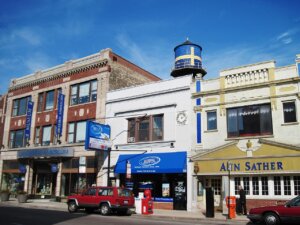
SPARC Upper Haight at 473 Haight Street ran the cheapest legal-market eighth I priced anywhere in San Francisco. A jar of SPARC sun-grown Wedding Cake sat on the value tier at $35 out the door, the operator runs its own Sonoma County farm in Glen Ellen under a state Type 2A small outdoor license, and the vertical structure pulls the wholesale markup out of the retail price the way no other SF dispensary on this list manages. I am scoring the visit a 4.4 out of 5. The shop is small, the menu is shorter than the Apothecarium catalog three blocks east, and the trade for the cultivator-owned pricing is square footage and SKU depth.
- Address: 473 Haight Street, San Francisco, CA 94117
- Phone: (415) 525-4396
- Hours: 9:00 AM to 10:00 PM daily
- License: California DCC Type 10 Retailer C10-0000453
- Operator: SPARC, founded 2010 by Erich Pearson
- Cultivation: Glen Ellen, Sonoma County (Type 2A small outdoor)
- Sister stores: SPARC Polk (1735 Polk St, C10-0000454, on-site lounge), SPARC Mission (1256 Mission St)
A Tuesday Afternoon at 473 Haight Street
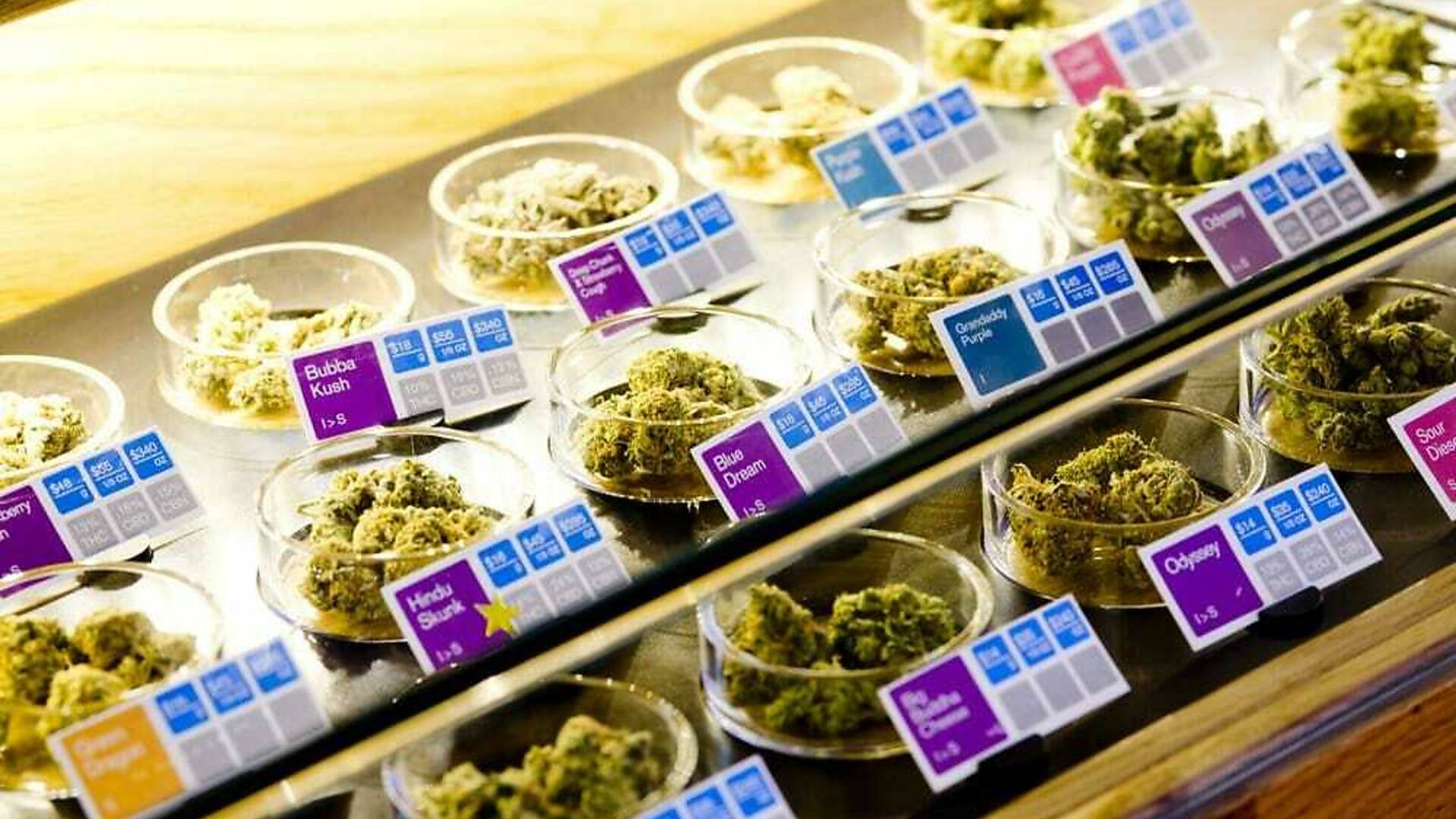
I rolled up on a Tuesday at 2:38 PM and walked through a single Plexiglas vestibule into a retail floor that runs roughly 800 square feet from the front door to the budtender bar. Two customers were ahead of me in line. The wait at the counter was four minutes. The room is the smallest legal cannabis retail floor I have shopped in San Francisco, with one main flower wall, an edibles case along the right wall, a concentrate fridge, and a cluster of pre-roll multipacks on the front display.
The budtender on shift introduced himself as Marcus, said he had been at SPARC for two and a half years, and walked me straight to the sun-grown jars without my having to phrase the question. He cracked the SPARC-branded Wedding Cake jar, the open lid honked tropical and gas, and the trichome coat sat noticeably softer than the indoor flower I had handled at Apothecarium Castro that morning. The terps read sweet on the front and gassy on the back, which is the sun-grown signal pattern when an outdoor crop hits cure clean.
I bought an eighth of the SPARC sun-grown Wedding Cake at $35 plus a SPARC pre-roll multipack at $20 for five half-grams. The all-in receipt with California’s 15 percent state cannabis excise tax and San Francisco’s 8.625 percent sales tax landed at $67.98. I asked about an indoor SKU for comparison and Marcus pulled an in-house SPARC Sherbinski hybrid jar from the wall at $45 per eighth, then a third-party Humboldt indoor at $52 for the upper shelf. The pricing layer is dialed: sun-grown in-house at $35, indoor in-house at $40 to $50, third-party premium indoor at $50 to $60. The value-tier eighth is the differentiator, and the menu writes the math out plainly.
I smoked the first half-gram pre-roll on the curb across from Alamo Square Park ten minutes after I left the shop. The high hit at thirty seconds clean, the body load came in around four minutes, and the pre-roll ran roughly twenty-eight minutes of slow burn before the paper checked out at the ash. The Wedding Cake pulled tropical on the inhale and gas on the exhale, and the come-down two and a half hours later was softer than any indoor flower I have rolled in the past month. Sun-grown does this. The cannabinoid expression is rounded, the terpene ratio is wider, and the high lands less surgical and more pillow-shaped than the indoor canopy delivers. The math is the value, and the smoke is the proof.
Erich Pearson Built SPARC as a Compassion Club in 2010
The shop name is not Upper Haight as a marketing flourish. SPARC stands for the San Francisco Patient and Resource Center, the operator was incorporated in 2010 by founder Erich Pearson under California Proposition 215 as a medical cannabis collective, and the original retail floor opened on Mission Street as a patient cooperative serving the SF AIDS community continuing the lineage of Dennis Peron’s San Francisco Cannabis Buyers’ Club from 1992. The Haight Street location came later as the operator added retail under San Francisco’s Office of Cannabis permit stack and the 2018 California Type 10 adult-use rollout.
Erich Pearson sits on the board of the National Cannabis Industry Association and was one of the operators consulted by the San Francisco Office of Cannabis on the city’s local equity program design. The SPARC operator is the SF retail voice that the San Francisco Chronicle, KQED, and the SF Examiner route through for an operator quote on supply chain, pricing, permit-stack, and tax-policy questions. When California’s cannabis tax structure shifted in 2025, Pearson was one of three operators quoted in the Chronicle’s coverage of the wholesale-to-retail markup compression. The press footprint matters because the operator is not a brand-licensed retail front. SPARC is the original SF compassion-club lineage with continuous medical-program operating history from 2010 through the present, and the policy weight is part of the reason the operator’s pricing tier holds where it does.
The cultivation arm runs out of a Glen Ellen, Sonoma County farm under a California Type 2A small outdoor license. Sun-grown means the canopy lives under daylight rather than indoor lights through the full vegetative and flowering cycle, the carbon footprint runs roughly an order of magnitude lower than indoor cannabis cultivation per a 2021 Nature Sustainability study, and the per-pound wholesale cost runs significantly below indoor at the cultivator gate. Routing the entire grow into SPARC’s three SF retail floors removes the wholesaler-distributor markup and lets the operator hold the retail eighth at $35 where indoor-only retailers in the city sit at $45 to $60.
The Haight Cultural Continuity Is the Backstory
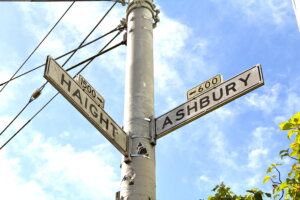
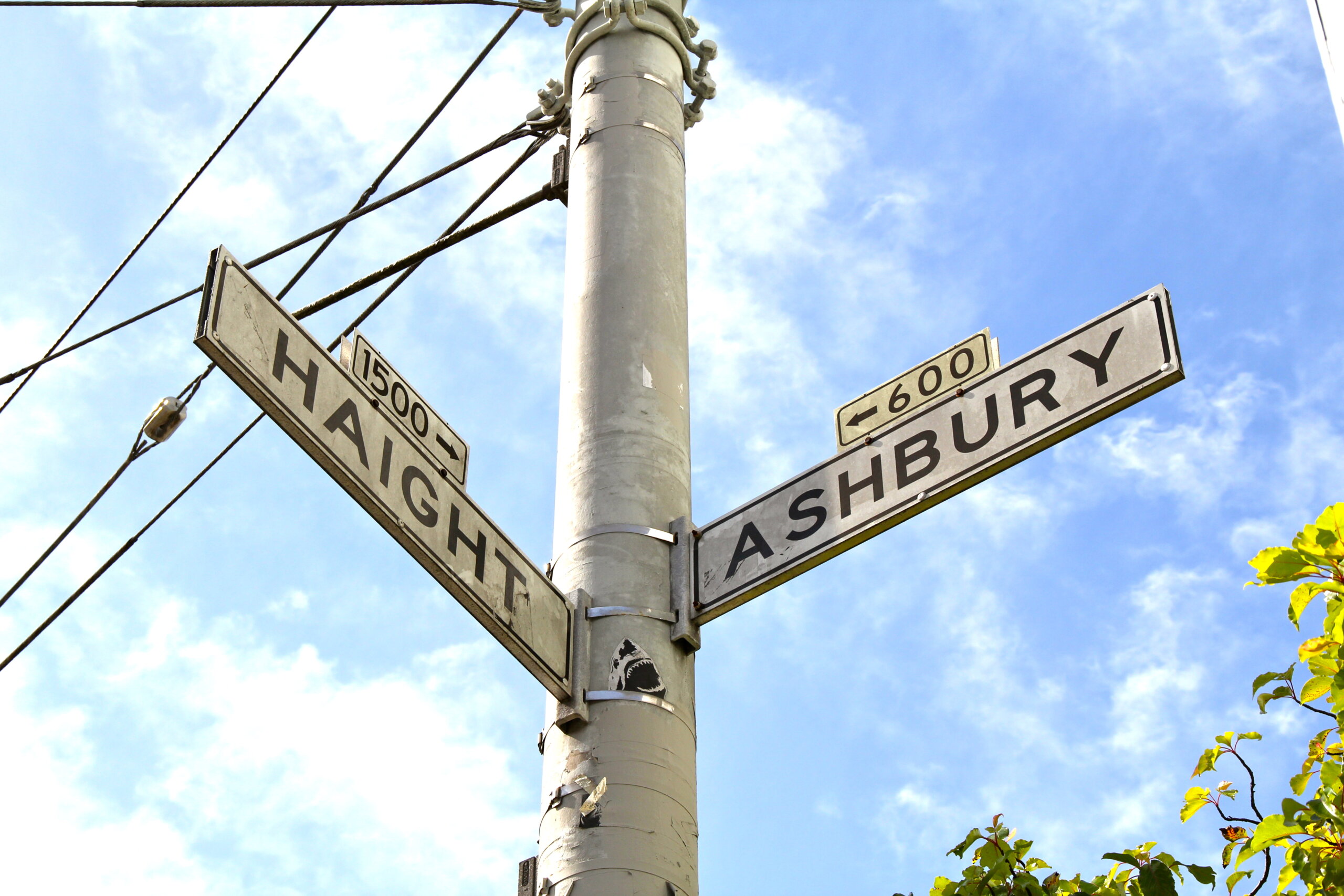
The Haight-Ashbury corridor has been the cultural address of California cannabis since the 1967 Summer of Love. Hippie Hill in Golden Gate Park is the open-air smoking gathering that became the unofficial San Francisco 4/20 anchor and now operates under SF Rec and Park’s permitted event structure for the annual gathering. The Grateful Dead lived at 710 Ashbury Street from 1966 through 1968, three blocks from the SPARC retail floor. Janis Joplin lived at 122 Lyon Street, two blocks east of the shop. The cultural through-line from the 1967 Diggers and the Haight-Ashbury Free Medical Clinic to the 2010 SF compassion-club operator is unbroken, and SPARC’s retail address sits inside the historical footprint that produced California medical cannabis in the first place.
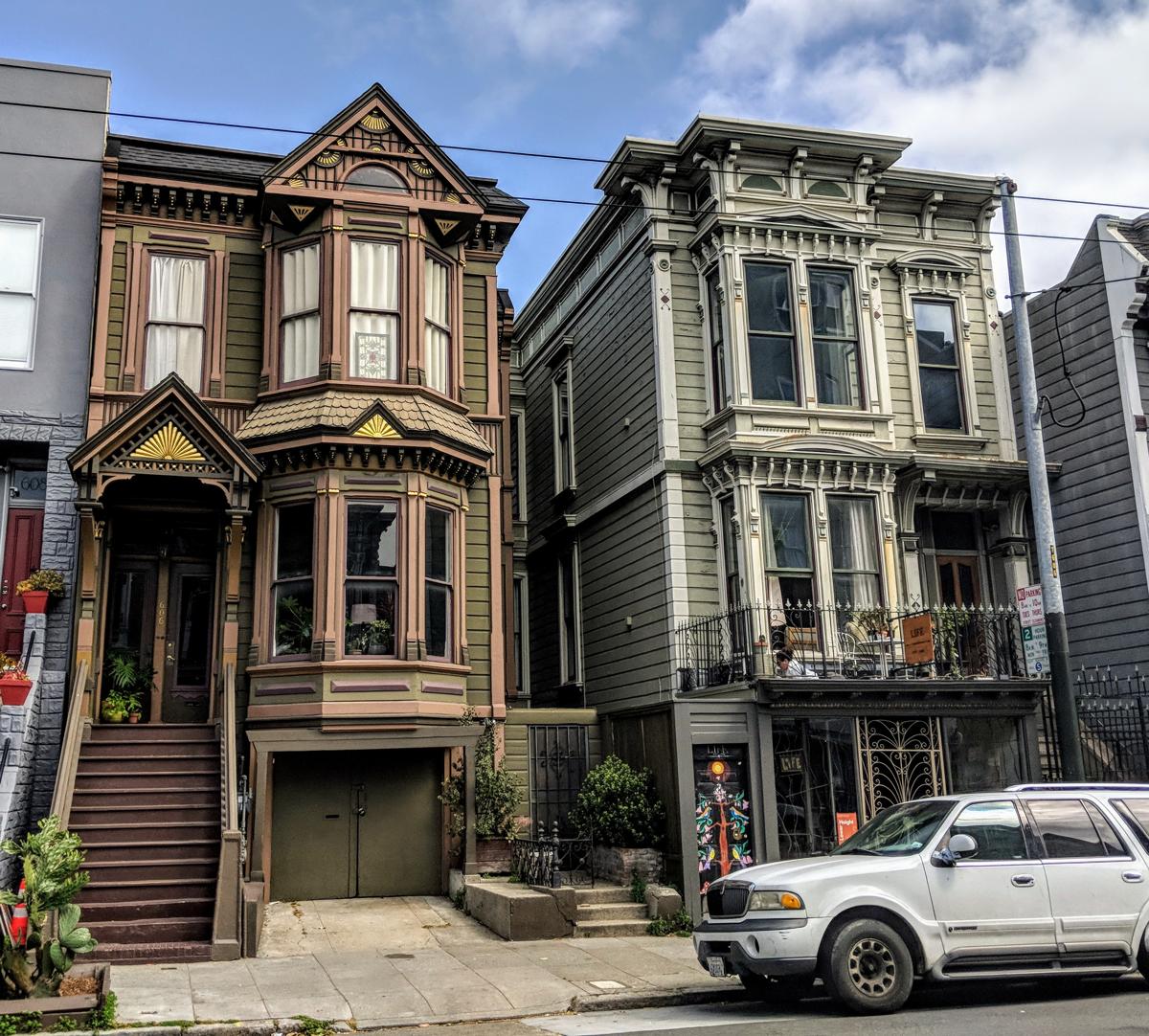
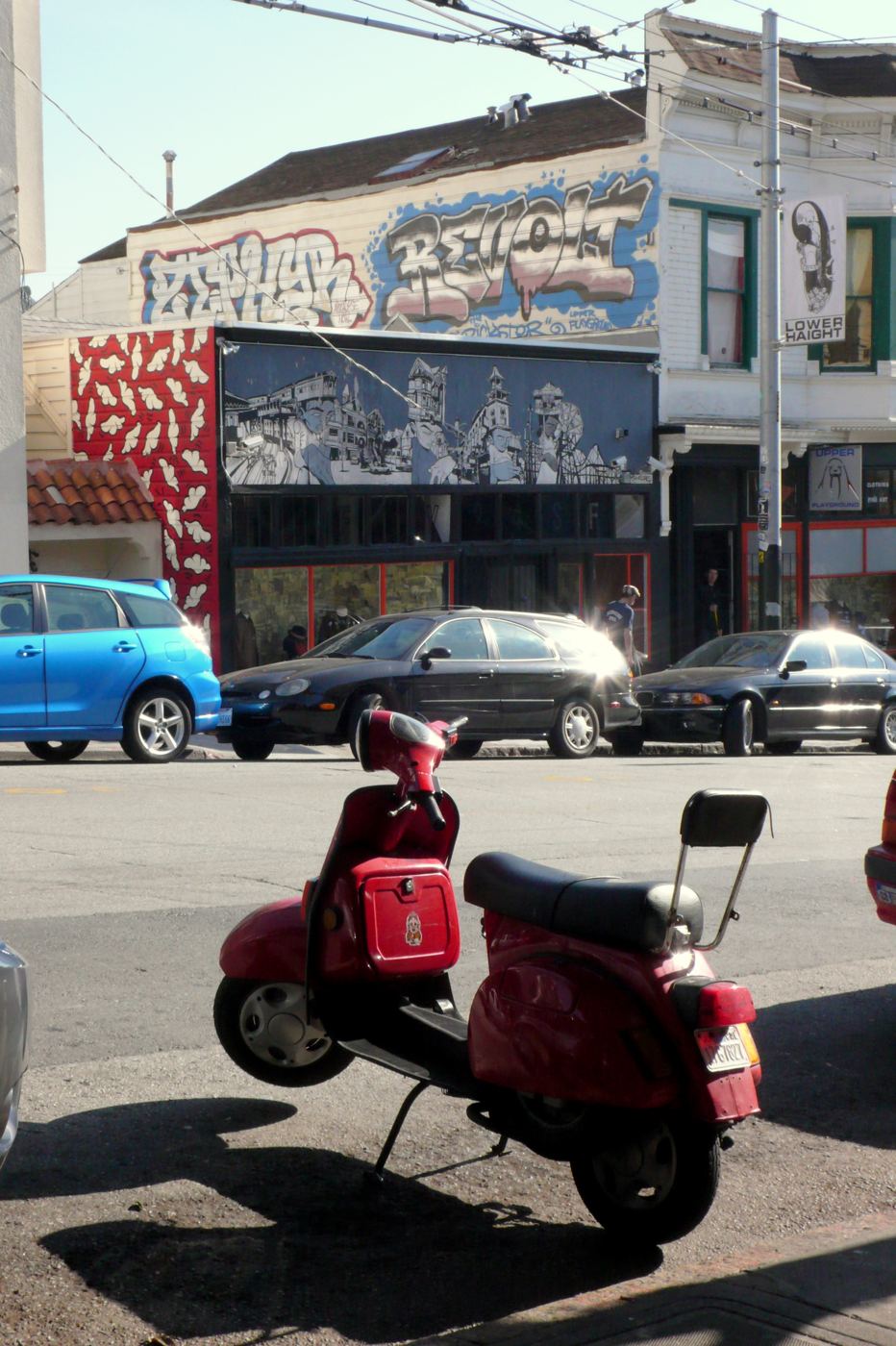
The cultural backstory is not the reason to shop SPARC. The cultivator-owned vertical and the value-tier pricing are the reason. The cultural backstory is what makes the retail experience read different from a flagship brand store on a commercial strip. Marcus walked me through the menu with the SF retail register intact, the customers in line behind me ranged from a forty-something Lower Haight resident in tradesman gear to a tourist couple in their twenties speaking French, and the room ran the kind of mixed regular-and-walk-in flow that California compassion-club retail has carried since the medical-only era. The Haight has changed since 1967. The Lower Haight retail corridor is currently a mix of vintage clothing, taquerias, dive bars, and the SPARC storefront. The shop’s cultural address is the soft tissue that shows up in how the staff handle the floor and how the store reads on the walk in.
The SPARC Polk Street Lounge Sits a Mile Away
SPARC also runs a Russian Hill storefront at 1735 Polk Street under DCC license C10-0000454. The Polk Street store carries a deeper SKU count than the Haight Street floor and houses the country’s first DCC-licensed on-site cannabis consumption lounge, opened in 2018 under the San Francisco Office of Cannabis lounge permit, the first such permit issued in California after Proposition 64. The Polk lounge is the consumption space that gets cited in KQED and SF Bay Guardian coverage of the on-site cannabis lounge category, and the model has since been extended to Mission Cannabis Club, Berner’s Cookies SF, and a handful of West Hollywood operators. SPARC ran the regulatory cycle first.
The Polk Street store is the larger SPARC retail floor with the consumption lounge attached and is the SPARC visit if the trip lands in Russian Hill. The Haight Street store is the value-priced retail floor with the cultural address and is the SPARC visit if the trip lands in Lower Haight. The Mission Street store is the original 2010 retail floor and carries the operator’s full back catalog of compassion-program SKUs. All three storefronts pull from the same Glen Ellen sun-grown supply chain. Pick the storefront that matches the route, the price tier holds across all three.
Where SPARC Sits in the SF Retail Map
The five San Francisco retail picks I rank in the city dispensary hub split into four categories. The Apothecarium Castro is the largest TerrAscend vertical in California and runs the deepest SKU wall. Mission Cannabis Club is the longest-running compassion-club lineage in the city and routes the deepest legacy-operator stock from small Sonoma and Mendocino cultivators. Eureka Sky is the independent Castro craft pick. The Apothecarium SoMa is the walkable convention pick at 527 Howard Street. SPARC takes the value-tier slot because the cultivator-owned vertical produces the cheapest legal-market eighth in San Francisco and the operator’s cultural lineage is the deepest of the three vertical operators on the list.
The honest weakness is the size. The Lower Haight retail floor cannot match the Apothecarium Castro flower wall on SKU depth, the concentrate fridge runs roughly twenty SKUs against Apothecarium’s forty-plus, and the edibles case is shorter than the Mission Cannabis Club catalog. A buyer routing the SF cannabis trip for menu depth visits Apothecarium first. A buyer routing for value-tier eighth pricing on a quality cultivator-owned crop visits SPARC first. The retail intent answers which shop sits at the front of the day.
The flower the day I visited was three SPARC sun-grown jars (Wedding Cake, Lemon OG, GG4), four indoor in-house jars across the SPARC-branded line, six third-party indoor jars from Humboldt and Mendocino independent cultivators, and a small selection of imported Cookies-branded eighths at the upper shelf. The pre-roll multipack stocking was deep, the live rosin half-gram count was four SKUs, and the edibles case ran the SF-standard catalog of Kiva, Wyld, and Smokiez tins at $20 to $25 per package. We have a longer take on the broader California catalog at our top cannabis brands in California roundup.
Who SPARC Upper Haight Is Best For
Pick SPARC Upper Haight if the buying intent is value-tier eighth pricing on a cultivator-owned sun-grown crop and the route lands in Lower Haight, Hayes Valley, or Alamo Square. The $35 sun-grown eighth is the cheapest legal-market eighth in San Francisco, the cultivator-owned vertical is the structural reason the price holds, and the operator’s medical-program lineage is the deepest of the three vertical retailers in the city. The shop runs an honest retail floor without the brand-flagship gloss that the Apothecarium and Cookies SF carry, and the Haight cultural address adds a layer of context that none of the other four SF picks deliver.
Skip SPARC Upper Haight if the buying intent is menu depth across forty-plus indoor flower SKUs, if the trip stays in SoMa or the FiDi, or if the cultural backstory does not move the buying decision. The Apothecarium Castro is the deeper menu wall. The Apothecarium SoMa is the closer walk from Moscone. Cookies SF Maple is the brand-flagship destination. SPARC Upper Haight is the value-tier eighth and the cultural address rolled into one 800 square foot retail floor, and the trade for the structure is the size.
For the rest of the city the broader hub at top 5 cannabis dispensaries in San Francisco walks through the four other ranked picks across the Castro, the Mission, SoMa, and Eureka Valley with the same pricing-tier framework. The state-level brand context lives at top cannabis brands in California.