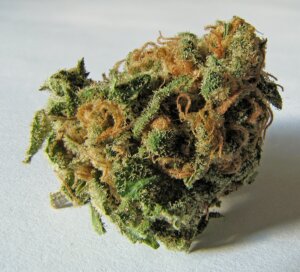
The short answer is yes, it will work in a pinch, but toilet paper is not safe to smoke on any regular basis. The cannabis burns fine. The paper is the issue. Standard toilet paper is bleached, softened, and often scented with chemicals that were designed to touch skin, not airways. When you light it, those additives combust along with the paper and go directly into your lungs.
I have been in this situation. Most smokers have. You are out of papers, the shop is closed, and someone in the group says “what about the bathroom roll.” This guide runs through exactly what toilet paper is made of, what happens when you burn it, how single-ply compares to double-ply, and what you should actually reach for instead.
The Direct Answer: Yes, But Single-Ply and Unscented Only
Toilet paper can be rolled and smoked. The paper holds its shape, it combusts, and the cannabis delivers normally. That much is true. The problem is what comes along with it. If you are improvising because you do not want the room to smell, a real smoke filter review is a better starting point than wrapping flower in paper towel.
Standard toilet paper goes through a pulp-bleaching process before it reaches the shelf. Most commercial brands use elemental chlorine-free (ECF) or totally chlorine-free (TCF) processes today, but residual organochlorine compounds can persist in the finished product. The World Health Organization classifies dioxins, a class of chlorinated byproducts produced when organochlorine compounds combust, as highly toxic and persistent in the body.
On top of bleaching, most brands add softening agents, wet-strength resins, and fragrance compounds. A study published in Flavour and Fragrance Journal identified dozens of volatile organic compounds released from scented paper products. None of those belong in your airway.
If you are going to do it at all, the rules are narrow: single-ply, unscented, and dye-free. That combination is the least bad version. Double-ply, scented, colored, or ultra-soft varieties are meaningfully worse.
Single-Ply vs. Double-Ply: The Gap Is Real
Double-ply toilet paper is two sheets bonded with an adhesive or embossing process. When you burn it, both layers combust and the bonding layer goes with them. The smoke is thicker, harsher, and pulls harder than single-ply. The cherry also burns faster and more unevenly because the paper is too dense for a clean draw.
Single-ply burns lighter and thinner, which moves it fractionally closer to the behavior of a real rolling paper. That said, the same bleaching chemistry applies to both. The difference between single-ply and double-ply is the same as the difference between a bad option and a worse one.
The practical test: hold the sheet up to light. If it is nearly translucent, you have single-ply. If it is opaque and thick, put it back.
Bleached vs. Unbleached: What the Difference Actually Means
Most toilet paper you buy at a grocery store is bleached white. That white color comes from a process that uses chlorine dioxide or hydrogen peroxide to break down the natural brown color of wood pulp. The US EPA has documented organochlorine residue in bleached paper products and the combustion behavior of those compounds.
Unbleached toilet paper, sometimes sold as natural or brown-colored, skips the chlorine-based whitening step. It still has processing agents but the bleaching-specific hazard is absent. Brands like Who Gives A Crap and Reel Paper sell unbleached options in most markets. If you ever find yourself reaching for the bathroom roll as a smoking substitute with any regularity, switching to unbleached for the whole household is a low-effort harm reduction move.
Plain unprinted gift-wrap tissue, which is covered in detail in our guide to smoking weed with regular paper, sits in a similar category to unbleached toilet paper: thinner, fewer additives, and a closer approximation to real rolling paper weight. Neither is the right choice. Both beat the alternatives in the bathroom cabinet.
Can You Roll a Joint with Tissue Paper? A Note on What People Actually Mean
Search queries for “can you roll a joint with tissue paper” land in two camps. Some people mean facial tissue, as in Kleenex or Puffs. Others mean toilet tissue, as in the roll on the wall. They are different products with different additive profiles and different risk levels.
Facial tissue is treated with lotion, moisturizers, and softening agents that make it feel different from toilet paper. Those softening chemicals produce their own combustion byproducts. Facial tissue also tends to tear while rolling because it has almost no tensile strength when wet. It is harder to work with and not meaningfully safer than toilet paper.
Toilet tissue, depending on the brand, may actually be slightly easier to roll because it has more structural integrity when dry. Neither is a good choice. But if someone asks me to pick between the two, I go with single-ply unscented toilet paper over a facial tissue every time.
How Toilet Paper Compares to Real Rolling Papers
The contrast matters for understanding what you are actually giving up when you use toilet paper instead of a proper rolling paper.
Real rolling papers, the kind made by RAW, OCB, or Elements, are manufactured from hemp, rice, or flax fiber. They are specifically engineered to burn slow and even, with no additives that produce harmful combustion byproducts. The gum line is made from natural plant-based gum arabic. The paper is thin enough that the cannabis flavor dominates the smoke profile.
Toilet paper, by contrast, was never designed to be burned. The fiber is shorter and looser, which means it combusts faster and less evenly. There is no adhesive gum line, which makes sealing the joint harder and less reliable. The burn rate is higher, which means the cherry races ahead of the weed and you lose cannabis to the atmosphere instead of to your lungs. And the processing chemicals that make toilet paper soft, white, and pleasant to use as intended produce byproducts in smoke that purpose-built rolling papers never have.
The American Lung Association has documented that burning paper releases fine particulate matter, and that fine particles in the PM2.5 range cause airway inflammation with repeated exposure. That risk applies to any paper combustion, but it is amplified when the paper carries additional chemical load from processing.
Step-by-Step: How to Roll a Joint with Toilet Paper If You Have No Other Option
If you are going to do it, do it correctly. A properly constructed toilet-paper joint minimizes the worst hazards by using the smallest amount of paper necessary and rolling it as tightly as possible.
Step 1: Select the right sheet. Single-ply, unscented, uncolored. If it has lotion or softener printed on the package, put it back. Hold it up to light to confirm it is thin and translucent.
Step 2: Tear to size. Fold the sheet lengthwise and tear a strip roughly 4 inches by 1.5 inches. That matches the approximate footprint of a king-slim rolling paper. You want as little paper as possible.
Step 3: Roll a crutch. Tear a small square from the remaining paper, about an inch across. Roll it into a tight cylinder the diameter of a pencil. This is your filter tip and it gives the joint structure at the smoking end.
Step 4: Load small. Place the crutch at one end. Spread a small, evenly distributed pinch of ground cannabis along the strip. Under half a gram. The less cannabis, the less paper surface area needed, and the cleaner the roll.
Step 5: Roll and seal with moisture. Pinch the paper between thumbs and forefingers. Roll the cannabis into a cylinder shape, tucking the edge closest to you under and rolling forward. Toilet paper has no gum line, so lick the edge you want to close and press it down firmly against the joint body. Hold it for five seconds. The moisture bonds the fibers.
Step 6: Pack and close. Use a pen tip to tamp the cannabis down through the open end toward the crutch. Twist the open tip closed. Smoke it immediately; a toilet-paper joint will not survive storage.
Safer Alternatives When You Are Out of Rolling Papers
Every option below is meaningfully better than toilet paper. If any of these are within reach, use them instead.
One thing people reach for that does not belong on this list is baking parchment. If you are tempted, read whether parchment paper is safe to roll with first, because its silicone coating is not something you want to burn and inhale.
Unbleached hemp or rice rolling papers. RAW Organic Hemp and OCB Organic Hemp are available at most gas stations and corner stores. A pack of 50 costs under two dollars and eliminates every risk on this page. Thin, slow-burning, no additives. If you find yourself routinely out of papers, a multi-pack in the drawer solves the problem permanently.
Hemp wraps. Thicker than rolling papers, tobacco-free, slow-burning. If you prefer blunt-weight smoke, hemp wraps deliver that profile without the nicotine. Brands like Twisted Hemp and King Palm are widely available.
Corn husks. Traditional in Latin American and Caribbean smoking culture. Dried corn husks are additive-free and burn slowly. If the husks feel damp, dry them in an oven at 200 degrees for 10 to 15 minutes before rolling. They take practice but the combustion is clean.
A glass pipe or bowl. No paper needed at all. If there is any glassware in the space, a bowl is the cleanest, most efficient option available. An apple pipe takes under two minutes to build with a pen or pencil and a piece of fruit, and combusts nothing foreign alongside the cannabis.
A gravity bong. Two liter bottles and a bowl piece. Zero rolling required. Not elegant, but it works and it involves no paper combustion at all.
Frequently Asked Questions
Can you smoke weed with toilet paper?
Technically yes, but it carries real health risk. Toilet paper is processed with bleaching agents, softeners, and fragrance additives that release harmful byproducts when burned. Single-ply, unscented, unbleached toilet paper is the least dangerous option, but it is still a short-term workaround, not a safe habit.
Is it safe to smoke weed with toilet paper?
No rolling paper alternative is truly safe, and toilet paper sits in the middle of the risk scale. Bleached, scented, or double-ply versions are worse. The main hazards are bleaching residue, fragrance chemicals, and softening agents. Once or twice in a pinch is a different calculation than regular use.
What happens when you smoke toilet paper?
The cannabis combustion happens normally. The paper is the problem. Burning toilet paper releases smoke from its processing chemicals, including chlorine compounds from bleaching and volatile organics from softeners and fragrances. The smoke is harsher, the burn rate is inconsistent, and the inhaled byproducts are not present in properly made rolling papers.
What should you use instead of toilet paper for rolling a joint?
In order of preference: unbleached hemp or rice rolling papers, hemp wraps, corn husks, or a glass pipe or bowl that requires no paper at all. If you have any of these available, skip the toilet paper entirely.
The Bottom Line
Toilet paper rolls a smokable joint. The weed works. The paper is the problem, and the risk level depends on which paper you grab. Single-ply, unscented, unbleached is the least bad option in the bathroom cabinet. Double-ply, scented, colored, and ultra-soft versions add more chemical load and should be avoided.
The better move is to never be in the situation in the first place. A pack of RAW Organic Hemp papers costs almost nothing and keeps indefinitely. One pack in the house means the question never comes up again. If you want to understand the full landscape of paper substitutes people actually try, we also dig into rolling weed in book paper and what happens with a printer-paper joint, and the rundown in our guide to smoking weed with regular paper covers notebook paper, printer paper, tissue, and newspaper side by side.