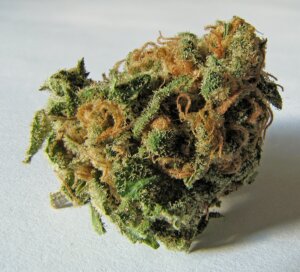
Kief is the fine, golden-tan dust that collects in the bottom chamber of a grinder or sifts free when you rub dried cannabis across a fine screen. It is not an additive, an extract, or a synthetic. It is the cannabis plant minus the leaf and stem, reduced to its most potent component: ruptured resin glands packed with cannabinoids and terpenes. Concentrate enthusiasts call it the closest thing to free hash, and for good reason. A pinch of kief sprinkled over a bowl can double the felt potency of a session, and the same powder pressed under heat is the raw material for traditional hashish.
This guide explains exactly what kief is, how it forms on the plant, how to collect it cleanly, how to smoke, vape, dab, or cook with it, why it hits harder than flower, how to press it into hash at home, and how to store it so it does not lose flavor or strength on the shelf.
What Is Kief?
Kief is a powder made of detached trichome heads. Trichomes are the mushroom-shaped resin glands that grow on cannabis flowers, sugar leaves, and to a lesser degree the stems and fan leaves of mature plants. The bulbous head of each trichome is where the plant manufactures and stores cannabinoids like THC and CBD, the terpenes responsible for aroma, and the flavonoids that influence color and minor pharmacology. When you handle, grind, or sift dried cannabis, the brittle stalks of those trichomes snap and the resin heads fall free as a fine, sticky powder.
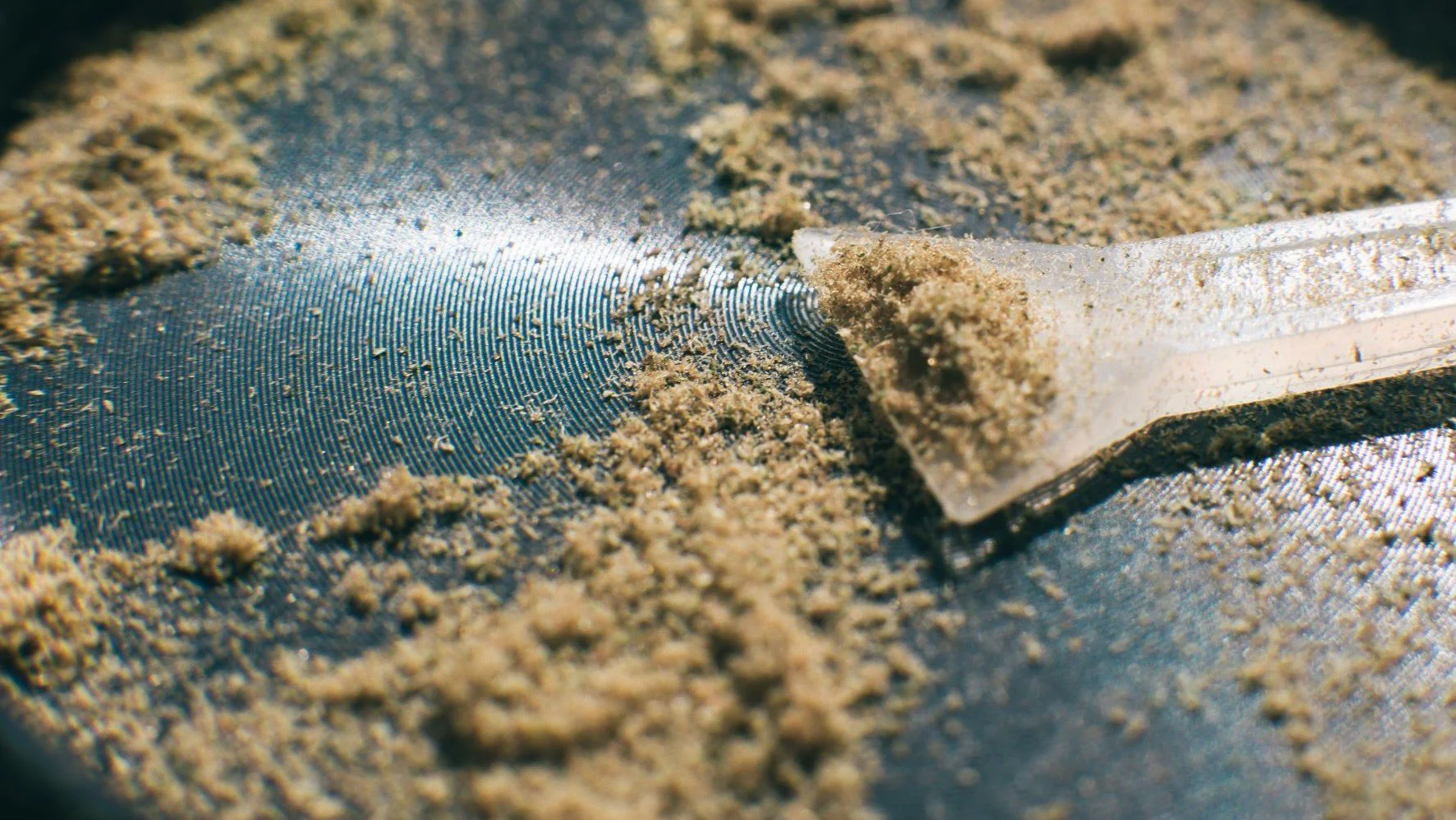
Fresh kief looks pale blonde to greenish-gold under daylight. As it ages or oxidizes it darkens toward amber and brown. The color shift is mostly cosmetic, but very dark kief usually signals a higher proportion of plant matter or a longer shelf life under poor storage. The Arabic root of the word, kayf, translates roughly to pleasure or wellbeing, and the term entered English-language cannabis vocabulary through North African hash traditions where sifted resin was the working material for hand-pressed and pressed-block hashish.
Crucially, kief is not a manufactured concentrate. It is not solvent-extracted, it is not heat-pressed unless you choose to press it, and it has not been chemically isolated. It is simply trichomes that have been mechanically separated from the rest of the flower. That is why it tends to retain the full terpene profile of the strain it came from, which is something solvent extracts and distillates often lose in processing.
The flower side of that equation matters too. Kief yield varies depending on the starting input, and dispensary popcorn weed often delivers more usable trichome material per dollar than premium nugs because the calyx-to-stem ratio runs higher in smaller buds.
How Kief Forms on the Cannabis Plant
Trichomes are not a side effect of cannabis growth, they are the plant’s primary defense and reproductive signal. They deter insects, reflect UV radiation, and trap pollen, and the resin they secrete is where almost all of the plant’s pharmacology lives. Research published in Frontiers in Plant Science documents that capitate-stalked trichomes are the dominant cannabinoid factories in flowering cannabis, with THC and CBD synthesis localized in the secretory cavity of the gland head. A study indexed on PubMed Central on cannabis glandular trichome biology confirms that the glands accumulate cannabinoids in concentrations several orders of magnitude higher than the surrounding leaf and floral tissue.
That density is what makes kief valuable. When you separate the heads from the plant, you are isolating the part of the flower where the active compounds are concentrated and discarding the cellulose, chlorophyll, and inert biomass that dilute potency in dry flower. A gram of well-collected kief can test north of 50 percent total cannabinoids, while the dry flower it came from might test in the high teens or low twenties. The ratio is even more pronounced for terpenes, since the same gland that holds THC also holds the volatile aromatic compounds that define a strain’s smell and flavor.
Three trichome types exist on cannabis: bulbous (the smallest, scattered across the surface), capitate-sessile (slightly larger, embedded in the tissue), and capitate-stalked (the largest and most resin-rich, concentrated on the calyxes of female flowers). Kief is overwhelmingly composed of detached capitate-stalked heads, which is why high-quality kief from a kief catcher tends to look uniform under magnification: it is the same gland type, just sheared off the plant by the grinder’s teeth or the screen’s mesh.
How to Collect Kief
There are three reliable ways to collect kief at home, ranging from passive to deliberate. Each one separates trichomes by mechanical agitation against a screen, and the difference is mostly about scale and purity.
Using a Grinder with a Kief Catcher
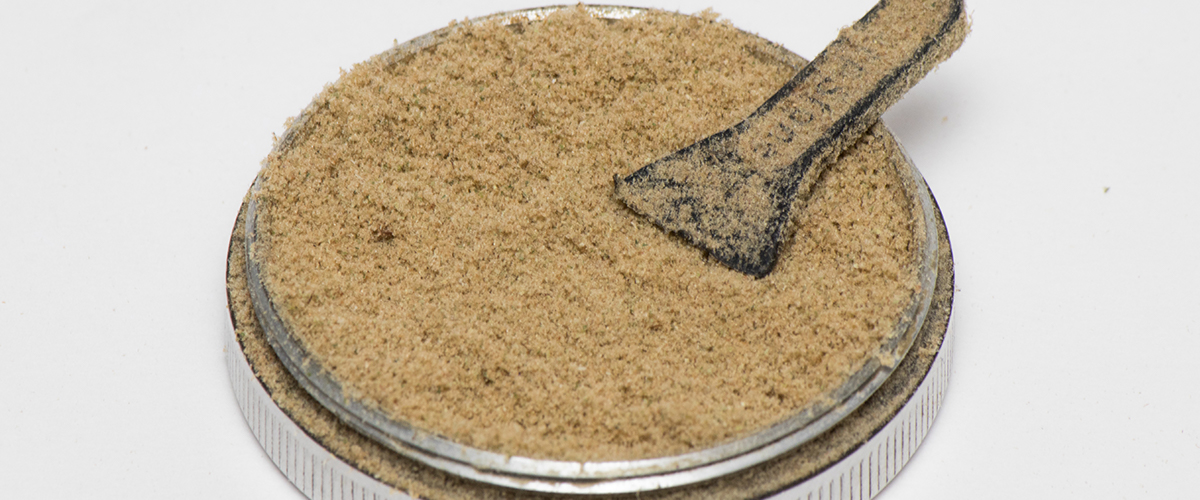
A multi-chamber grinder is the easiest path. The top chamber holds the teeth that break the bud, the middle chamber holds the ground flower, and the bottom chamber, which sits below a fine mesh screen, catches trichomes that fall through as you grind. Three- and four-piece grinders with this design are standard at most dispensaries and head shops. Kief accumulates slowly, so expect to see a usable layer after grinding eight to ten grams of high-resin flower. Tap the grinder firmly against a hard surface between sessions to dislodge stuck trichomes through the screen.
Dry Sifting with a Silk or Mesh Screen
For larger volumes, dry sifting is the cleaner industrial method. You spread cured flower across a fine silk or stainless mesh screen rated between 100 and 150 microns, which roughly matches the diameter of a capitate-stalked trichome head. Cold flower works better than room-temperature flower because the gland stalks become more brittle and snap free with less agitation. Some hash makers chill the flower and the screen for an hour before sifting. Move the bud across the screen with light pressure, never grinding, and let gravity do the work. The kief that falls through is purer than grinder kief because there is no compression and no contact with grinder teeth.
Dry Ice Sifting for Maximum Yield
Dry ice extraction is the most aggressive home method. Flower and food-grade dry ice are placed in a bubble bag or rosin bag, shaken for thirty to ninety seconds to embrittle and snap the trichome stalks, then sifted through screens of decreasing micron size. Yields can be three to five times higher than passive grinder collection, but the technique requires gloves, ventilation, and care to avoid contaminating the resin with the ice itself. Coarse runs collected in a 160-micron bag yield strong, terpene-rich kief; finer screens isolate cleaner heads at the cost of total weight.
How to Use Kief
Kief is one of the most flexible inputs in a home stash because it can be smoked, vaped, dabbed, or cooked with minimal preparation. The format you pick should match the experience you want and the tools you already own.
Topping a Bowl, Joint, or Vape
Sprinkling kief over ground cannabis is the most common and forgiving method. A pinch on top of a bowl is called a kief crown, and it noticeably increases potency without changing how you smoke. Inside a joint, kief mixed into the grind or twisted along the inside of the rolling paper produces a slow, even burn and a stronger hit. For dry-herb vaporizers, a thin layer of kief on top of the chamber works the same way, but watch the temperature. Kief vaporizes cleanly between 350 and 400 degrees Fahrenheit, and pushing higher than 430 risks burning the resin instead of vaporizing it.
Cooking with Kief
Kief is one of the easiest cannabis inputs for edibles because it is concentrated and contains very little plant matter. Decarboxylate it on parchment paper at 240 degrees Fahrenheit for 25 to 30 minutes to convert THCA into THC, then infuse it into butter, coconut oil, or honey at a low simmer. Strain rarely needed because kief leaves almost no sediment behind. As a baseline, a gram of well-collected kief can carry the cannabinoid load of three to five grams of average flower, so dose conservatively until you have calibrated.
Pressing Into Rosin or Dabs
Kief responds extremely well to a rosin press. A few grams folded into parchment and squeezed at 180 to 220 degrees Fahrenheit yields solventless rosin in seconds. The result can be dabbed on a rig, vaporized in a concentrate pen, or kept as a high-purity stash. Dabbing raw kief is possible but inefficient, since loose powder tends to scatter on a hot nail; pressing it into hash or rosin first solves that.
Moon Rocks and Caviar
Moon rocks are buds dipped in cannabis oil and rolled in kief, producing a multi-layered concentrate-on-flower hybrid that can test above 50 percent total THC. Caviar uses a similar technique with a heavier oil-to-kief ratio. Both are best treated as occasional indulgences, not daily-driver flower, because the cannabinoid load is dramatically higher than typical bud.
Why Kief Is So Potent
The potency story is simple math. Dry cannabis flower currently averages somewhere between 17 and 28 percent THC depending on cultivar, grower, and testing lab, and a meaningful share of that mass is structural plant matter that does not contribute to a high. Kief removes most of that mass and leaves you with the trichome heads, which is where the cannabinoids actually sit. Independent lab data summarized by Leafly places kief in a 50-to-80 percent total cannabinoid range, with cleaner dry-sifted material occasionally pushing higher. That places kief between high-grade flower and hash on the potency curve, and well above shake or trim.
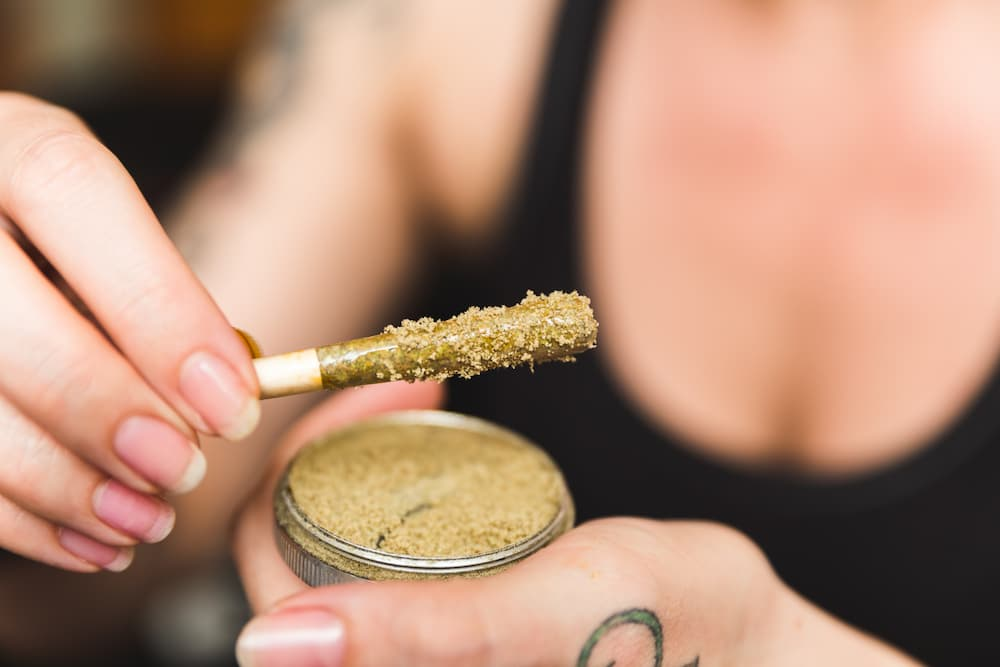
The terpene density adds a second layer to the experience. Because trichomes are also the storage site for monoterpenes and sesquiterpenes, kief carries the full aroma profile of its source flower in a much more concentrated form. A bowl topped with kief from a citrus-forward strain will smell sharper and taste cleaner than the same bowl smoked plain. That is also why fresh kief, stored well, is preferred over old kief: terpenes are volatile and evaporate first when the powder is left exposed to air or warmth.
One practical consequence: kief is faster-onset than flower. You are still smoking combusted plant resin, so the cannabinoids reach the bloodstream through the lungs at the same rate, but the dose per inhale is substantially higher. New users should treat one kief-topped bowl the way they would treat two or three plain bowls. Tolerance builds quickly with regular kief use, and pacing matters more than it does with bud alone.
Pressing Kief into Hash
Hash is what you get when kief is compressed under heat and pressure until the trichome heads rupture and bind into a solid mass. The process is older than the modern cannabis industry, and the principle is unchanged: heat softens the resin, pressure forces the heads to merge, and the result is a dense, dark, traditional concentrate that burns slower and stores longer than loose kief.
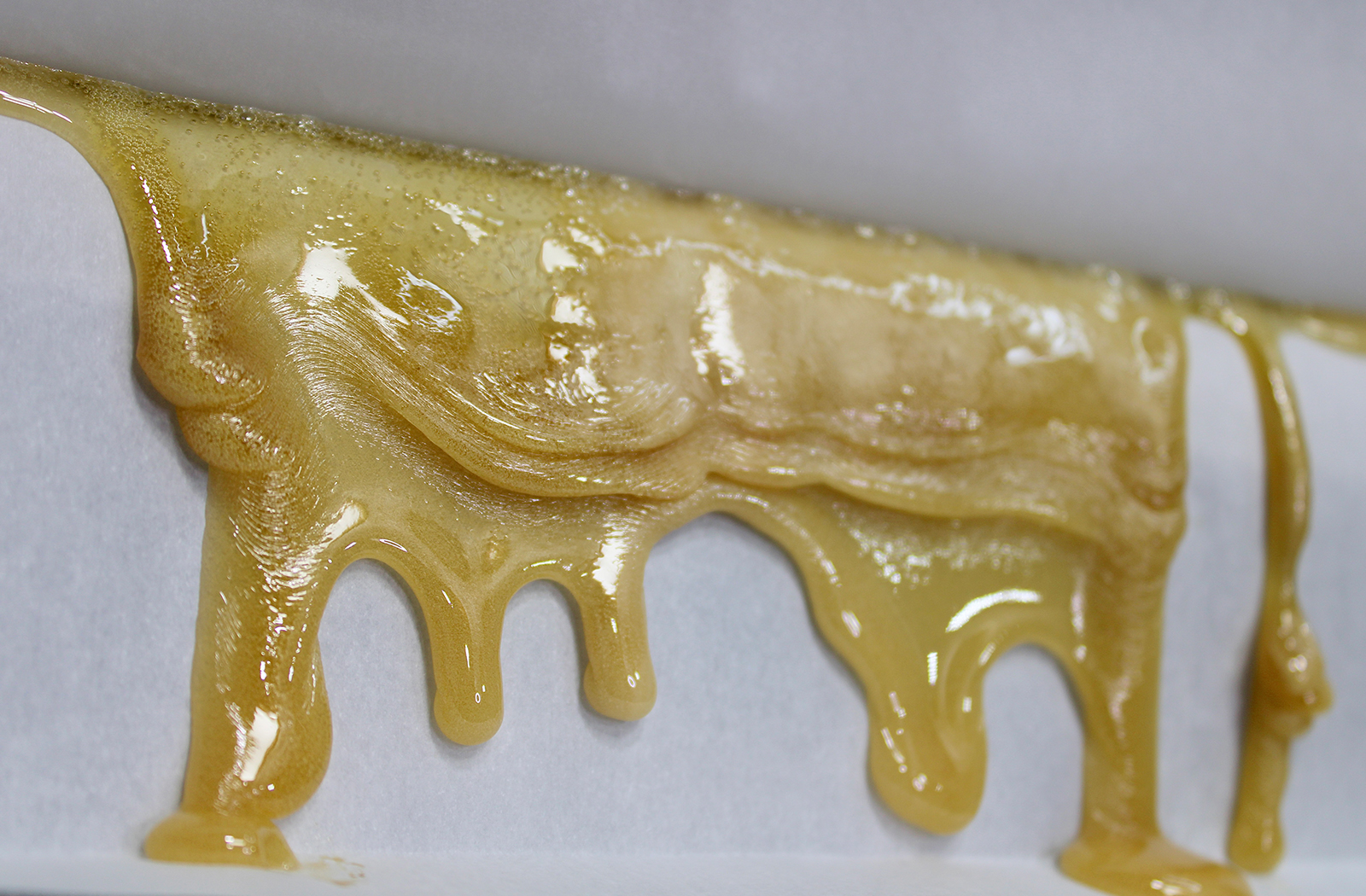
The simplest home method, sometimes called the parchment-and-iron technique, is documented across hash-making communities and detailed by outlets like High Times. Wrap a few grams of kief tightly in parchment paper, fold it into a small rectangle, and apply gentle pressure with a hair straightener or clothing iron set to its lowest setting (typically 200 to 250 degrees Fahrenheit). A few seconds per side is enough. The kief warms, the trichomes melt slightly, and the result is a thin slab of pressed hash. Resting the slab under weight for several hours improves cohesion.
For larger or higher-purity batches, a manual rosin press or a dedicated pollen press is the professional path. A pollen press is a small threaded cylinder that compresses kief without heat, producing a denser block over hours rather than seconds. Add brief, low heat afterward and the result rivals imported hashish in texture and burn quality. Whichever route you choose, pressed hash is more shelf-stable than loose kief and concentrates the same trichome material into a format that is easier to portion and dose.
How to Store Kief Properly
Storage is where most home stashes lose value silently. Loose kief is fragile because the same volatile terpenes that make it aromatic also make it vulnerable to air, light, heat, and humidity. Get any of those four wrong and the powder degrades quickly: terpenes evaporate, THC oxidizes into the more sedating CBN, and the kief turns harsh and flat.
The single most important storage variable is humidity. Industry guidance from cannabis humidity specialists like Boveda and humidity-control coverage in Cannabis Industry Journal consistently lands on a 58 to 62 percent relative humidity range as the sweet spot for cannabis and concentrates. Below 55 percent the resin dries out, becomes brittle, and loses terpene weight. Above 65 percent moisture invites mold, especially with dense materials like pressed hash. Two-way humidity packs sized for the container do the regulating automatically.
Beyond humidity, the rules are short. Use airtight glass or food-grade silicone, not plastic baggies (kief sticks to plastic via static and the bags transfer odors). Keep the container in a dark, cool drawer or cabinet, ideally between 60 and 70 degrees Fahrenheit. Refrigeration is acceptable for long-term storage but only if the container is fully airtight; condensation when the container warms back up is the failure mode. Freezing is fine for very long storage of kief intended for pressing or extraction, but freeze-thaw cycles are the enemy of flavor, so portion before freezing.
Safety and Moderation
Kief is significantly stronger than the flower it came from. That is the entire point, and it is also the source of every cautionary note worth taking seriously. New users frequently underestimate how much harder a kief-topped bowl hits than a plain one, particularly with edibles where onset is delayed by 30 to 90 minutes. Start with a quarter of what you think you need and wait at least two hours before redosing. Tolerance to high-potency cannabinoids builds noticeably faster than tolerance to flower, so cycling kief use rather than treating it as a daily input keeps the experience consistent.
Combustion is the other variable. Smoking is still smoking, regardless of the input, and pulmonary irritation scales with frequency. Vaporizing kief at 350 to 400 degrees Fahrenheit produces the cannabinoid and terpene profile without the combustion byproducts, and rosin pressed from kief and dabbed at low temperatures is cleaner still. None of those routes are risk-free, but they meaningfully reduce the smoke load compared to combusted joints.
Drug interactions also matter at higher doses. Cannabis can amplify the sedative effects of alcohol, benzodiazepines, opioids, and some sleep medications. If you are on any prescribed medication, treating kief like flower is a mistake; treat the dose as roughly three times stronger and consult a clinician familiar with cannabis pharmacology before mixing.
Frequently Asked Questions About Kief
Is kief stronger than weed?
Yes, substantially. Dry flower averages 17 to 28 percent THC, while well-collected kief tests between 50 and 80 percent total cannabinoids. A bowl topped with kief delivers two to three times the dose of an equivalent bowl of plain flower, which is why moderation matters more with kief than with bud alone.
Can you smoke kief by itself?
You can, but it burns hot and fast, and a pinch of pure kief in a pipe will often outlast its flavor before you finish the bowl. Most users prefer to sprinkle kief over ground flower for a more controlled burn, or press it into hash or rosin first. If you do smoke it on its own, use a screen to keep the powder from pulling through.
How much kief is in a gram of weed?
Yields vary by strain, freshness, and collection method. From an average gram of cured flower in a kief-catcher grinder, expect a few hundredths of a gram (roughly 1 to 3 percent of mass) to fall into the bottom chamber over time. Resin-heavy cultivars and dry sifting at low temperature can push that closer to 5 to 10 percent. Dry ice extraction recovers more, but with a tradeoff in purity.
Does kief get you higher than flower?
It produces a more intense effect per inhale because the cannabinoid concentration is several times higher. The high also tends to onset faster and feel cleaner, since you are inhaling less plant material. The ceiling is similar to high-grade hash but lower than dabbed extracts.
How long does kief last in storage?
Stored properly in an airtight container at 58 to 62 percent relative humidity, away from light and heat, kief retains most of its potency and flavor for 6 to 12 months. Pressed into hash, the same material can hold up for two years or more. Kief stored loose in a plastic baggie at room temperature degrades noticeably within weeks, mostly through terpene loss.
Can you make edibles with kief?
Yes, and kief is one of the cleanest inputs for cannabis-infused butter, oil, or honey. Decarboxylate the powder on parchment at 240 degrees Fahrenheit for 25 to 30 minutes, then infuse it at a low simmer into the fat of your choice. Because kief contains very little plant matter, you rarely need to strain the finished infusion.
Is kief legal?
Kief is treated legally as a cannabis product and follows the same rules as flower in any given jurisdiction. In recreational and medical states it is sold openly at licensed dispensaries, often as loose kief or in pressed hash form. In jurisdictions where cannabis is illegal, kief carries the same legal risk as the flower it came from, and in some places the higher concentration is treated as a more serious offense at the prosecution level. Verify local laws before purchasing, possessing, or transporting.