Mike Tyson built the most-meme’d cannabis brand of the past five years. The Holyfield Ear Bites moved more units than three of his other ventures combined. The receipts are below.
Tyson 2.0 is the flagship. Carma HoldCo is the holding company that scales it. Tyson Ranch is the Coalinga property that started the cannabis pivot in 2018. The Holyfield-shaped gummies are the marketing event that bought the rest of the catalog permanent shelf space. The forty-thousand-a-month consumption figure is the receipt that no other celebrity in the category can match.
“We smoke ten tons of weed at the ranch a month,” Tyson told the Hotboxin’ camera in 2019, the figure that anchors every credibility conversation about the brand five years later. The number lands different when you have already watched him roll cigars on YouTube for an hour.
- Flagship retail brand: Tyson 2.0
- Holding company and scaling engine: Carma HoldCo
- 420-acre Coalinga cultivation property: Tyson Ranch
- Iconic launch SKU: Holyfield Ear Bites (Holy Ears)
- Volume product: Mighty Bites infused gummies, 100mg per pack
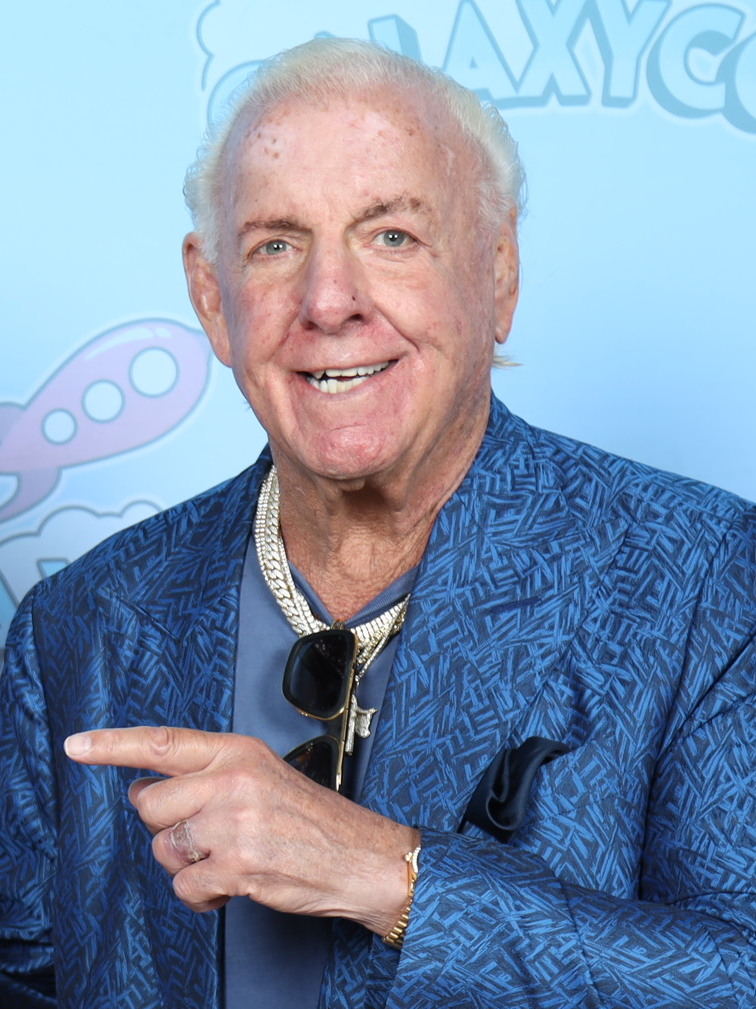
- Carma portfolio sister brand: Ric Flair Drip
Tyson 2.0. The Flagship and the Mighty Bites Engine.
 |
|
Tyson 2.0 launched in 2021 with Tyson and former Wilks Brothers operator Adam Wilks running it as the consumer-facing flagship. Wilks brought the licensing infrastructure. Tyson brought the face, the personal consumption story, and the cigar habit he had been documenting on the Hotboxin’ podcast since 2019.
Within twelve months MJBizDaily reported the brand had moved into California, Nevada, Massachusetts, and Florida. By 2023 the catalog included flower, pre-rolls, vapes, and cigars on top of the gummies that started the line. The corporate structure is unusual for a celebrity brand. Tyson 2.0 does not own cultivation or manufacturing. It licenses the IP and lets state operators handle production, which is how it scaled into four states inside two years without raising the cultivation capital that sank MedMen and Caliva.
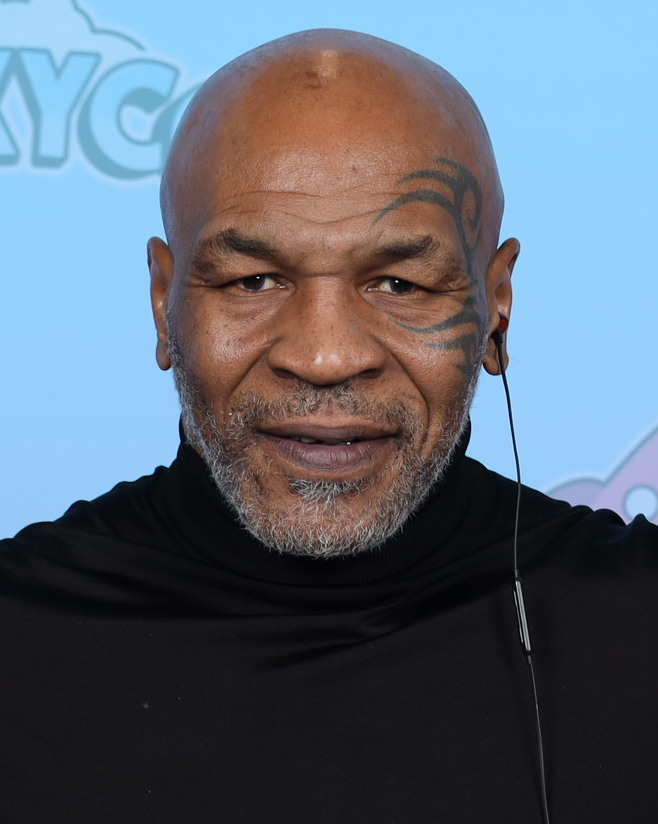
Mighty Bites does the volume. Each pack carries 100mg of THC across ten 10mg pieces, the format the modern infused-gummy market settled on after Kiva proved it worked. Flavors run tropical, watermelon, sour apple, and the cigar-themed Sour Stogies pack. Packaging leans on Tyson’s tribal face tattoo as the front-of-bag mark.
“I have a cannabis cigar in my hand at all times,” Tyson told Forbes at the 2022 launch, “so when we came up with that we were like, this is going to be our staple.” That cigar SKU, the Tyson 2.0 Mike Bites line, is the closest the brand has come to the actual on-camera Tyson product.
The flower line came in 2023 with eighths and pre-rolls in the same Tyson 2.0 packaging. The vape line uses live resin and live rosin carts at the higher end. The hemp line, the part of the catalog that ships nationally without a state cannabis license, runs Delta-8 and Delta-9 gummies and seltzers under the same Tyson 2.0 mark. Hemp is what gives the brand actual national distribution. Flower and infused gummies are state-by-state. The hemp drinks ship to all 50.
The financial picture is harder to pin down because Carma HoldCo is private and the celebrity-cannabis space is full of inflated revenue claims. Green Market Report placed Tyson 2.0 in the top tier of celebrity cannabis brands by 2024 unit volume, ahead of Snoop Dogg’s Leafs by Snoop catalog on units, ahead of Willie Nelson’s Willie’s Reserve on multi-state distribution, and behind Cookies in total revenue. Cookies wins on flower at premium price points. Tyson 2.0 wins on infused gummies at mid-tier price points.
The retail-shelf strategy is what most casual observers miss. Tyson 2.0 deliberately competes in the mid-tier price band, where infused gummies sell from roughly $18 to $28 a pack at California dispensaries, rather than the premium tier Kiva dominates with Petra mints and Camino sour belts. The mid-tier choice was correct. It puts Mighty Bites in the path of the customer who walks into a dispensary already knowing they want a 100mg pack and is choosing on packaging recognition rather than terpene profile.
Walking past a dispensary cooler in Los Angeles or Las Vegas, the Tyson face mark is recognizable from across the room. Budtenders do not have to explain who Mike Tyson is. The pack moves on name alone.
Carma HoldCo. The Music-Industry Playbook for Celebrity Weed.
 |
|
Carma HoldCo is the structural innovation that makes the Tyson cannabis universe more interesting than a standard celebrity endorsement. Wilks and Tyson set it up in 2021 as a holding company designed to roll up celebrity cannabis IP under one licensing infrastructure.
The model borrows from the music industry. A label signs an artist, handles production and distribution, and shares the revenue. Carma signs the celebrity, builds the brand around them, licenses production to state cannabis operators in legal markets, and handles national hemp distribution under the same trade dress. The celebrity gets equity and royalty income without operating cultivation, manufacturing, or retail. Carma gets a portfolio of differentiated brands that share back-end infrastructure.
The first signing after Tyson 2.0 was Ric Flair Drip, the wrestling icon’s flower and pre-roll line that launched in 2022 with a press run Rolling Stone covered as a meeting of two combat-sports legends in the cannabis aisle. The Flair flower goes harder on the wrestling persona, with strain names that pull from his catchphrases and packaging that uses his sequined-robe aesthetic. The brand sits in the same dispensary cabinets as Tyson 2.0 in Nevada and California, often on the same shelf, and the cross-promotion has been intentional from launch.
The Future signing proved the music-industry analogy was working. Future launched EVOL through Carma in 2023, a flower and pre-roll brand named after his EVOL track from the Hndrxx era, with packaging pulled directly from his album art. Rick Ross High Culture followed in 2024 with a similar template. The Wiz Khalifa hemp drink line came shortly after.
The Wiz signing is notable because Wiz already had Khalifa Kush running on the cannabis side, but Carma got him for hemp drinks, a separate vertical that does not conflict with his existing flower brand. That kind of vertical-slicing is the Carma signature. They sign artists for the SKU category their existing deals do not cover, and they handle the national distribution the artist-led brands cannot.
The Boca Raton headquarters sits at the intersection of legal cannabis and the wider hemp economy that Florida operators have built since the 2018 Farm Bill. USDA hemp licensing is what lets Carma ship Delta-8 and Delta-9 hemp drinks nationally without state cannabis licenses. The cannabis brands generate the cultural cachet. The hemp drinks generate the volume.
The Wilks family equity, drawn from the same private capital that backed the Tyson 2.0 launch, gives Carma the runway to keep signing celebrities through 2026 without taking outside investment. The trajectory is clear. More combat-sports signings are likely, more music-industry signings are confirmed, and the model itself, the holding company that licenses celebrity cannabis IP across state operators, is the part of the Tyson universe most likely to be copied.
Tyson Ranch. Where the Coalinga Pivot Actually Started.
 |
|
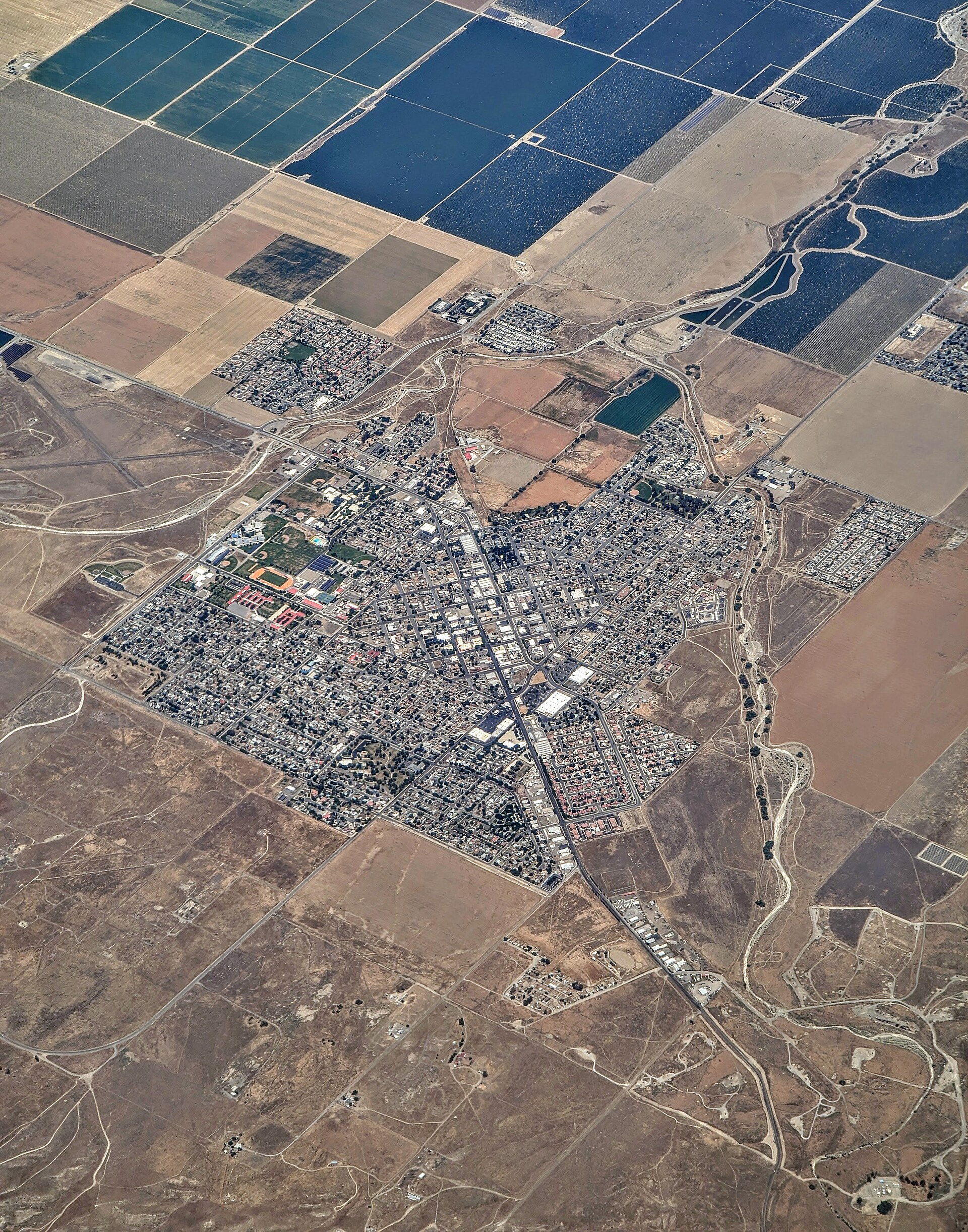
The cannabis story for Mike Tyson does not start with the gummies. It starts in 2018 in Coalinga, California, a Fresno County town that legalized commercial cannabis cultivation that year and immediately attracted operators looking for irrigation rights and the kind of farm acreage the San Joaquin Valley actually has. Tyson partnered with developer Robert Hickman and bought a 420-acre property, the number obviously chosen on purpose, that the LA Times covered as a planned cannabis-themed resort with cultivation, a hotel, and a research facility for cannabis-medicine work.
The original concept was ambitious. The Coalinga build-out was real but slower than the launch press suggested.
What got built first was the cultivation. Tyson Ranch flower started moving into California dispensaries in 2019 and 2020, with eighth jars carrying the Tyson Ranch logo and strain names that played on the boxing career. The early flower had a mixed reception. Some dispensary buyers reported it was indistinguishable from any other Coalinga outdoor flower at the price point, which is fair, because for the first two years it likely was contract-grown by the same Coalinga cultivators who supplied other valley brands. The Tyson Ranch flower line tightened up by 2022 once the cultivation team got dialed in. By 2023 the flower was being incorporated into the broader Tyson 2.0 catalog rather than sold as a standalone Tyson Ranch SKU.
The hotel and resort never got built at the scale of the original announcement. Green Market Report tracked the project through 2020 and 2021, and the consensus by then was that the resort plan had been scaled down. California cannabis tourism never materialized at the scale anyone hoped, and Tyson’s focus had moved toward the Tyson 2.0 retail brand and the Hotboxin’ podcast.
The Coalinga property still exists. The cultivation still operates. The resort piece quietly disappeared from the press materials. What the Ranch became, functionally, is a brand-origin asset and a cultivation feed for the Tyson 2.0 flower line, which is a more honest description than the 2018 announcement allowed for.
The research-facility piece is the most interesting unfinished part. The original 2018 plan included a partnership with cannabis-medicine researchers and a footprint dedicated to cannabinoid clinical work, tied directly to Tyson’s personal interest in cannabis as a recovery and pain-management tool. The clinical research facility never opened in the form announced. Tyson became one of the loudest celebrity advocates for psilocybin and ibogaine therapy instead, including multiple Rolling Stone features on his use of toad venom DMT and his belief that psychedelics saved his life. That advocacy work pulled the research-facility energy out of the Coalinga plan and into a different vertical entirely.
The Coalinga property still functions as the brand-origin reference point for everything Tyson 2.0 puts on a package. The 420-acre figure is in the press kit and on the website. The cultivation that does happen there feeds into specific Tyson 2.0 flower drops promoted as ranch-grown, with a marketing premium attached even when the bulk of the gummy and hemp catalog is produced by licensed manufacturing partners in other states.
A working California cultivation property tied to the brand name is an authenticity asset the licensing model cannot fake. Without the Ranch, Tyson 2.0 would be a pure IP-licensing play. With it, the brand reads as a vertically integrated California operation even when most of the catalog is technically produced under contract in other states.
The Holyfield Ear Bites. The Stunt That Sold Out in 24 Hours.
 |
|
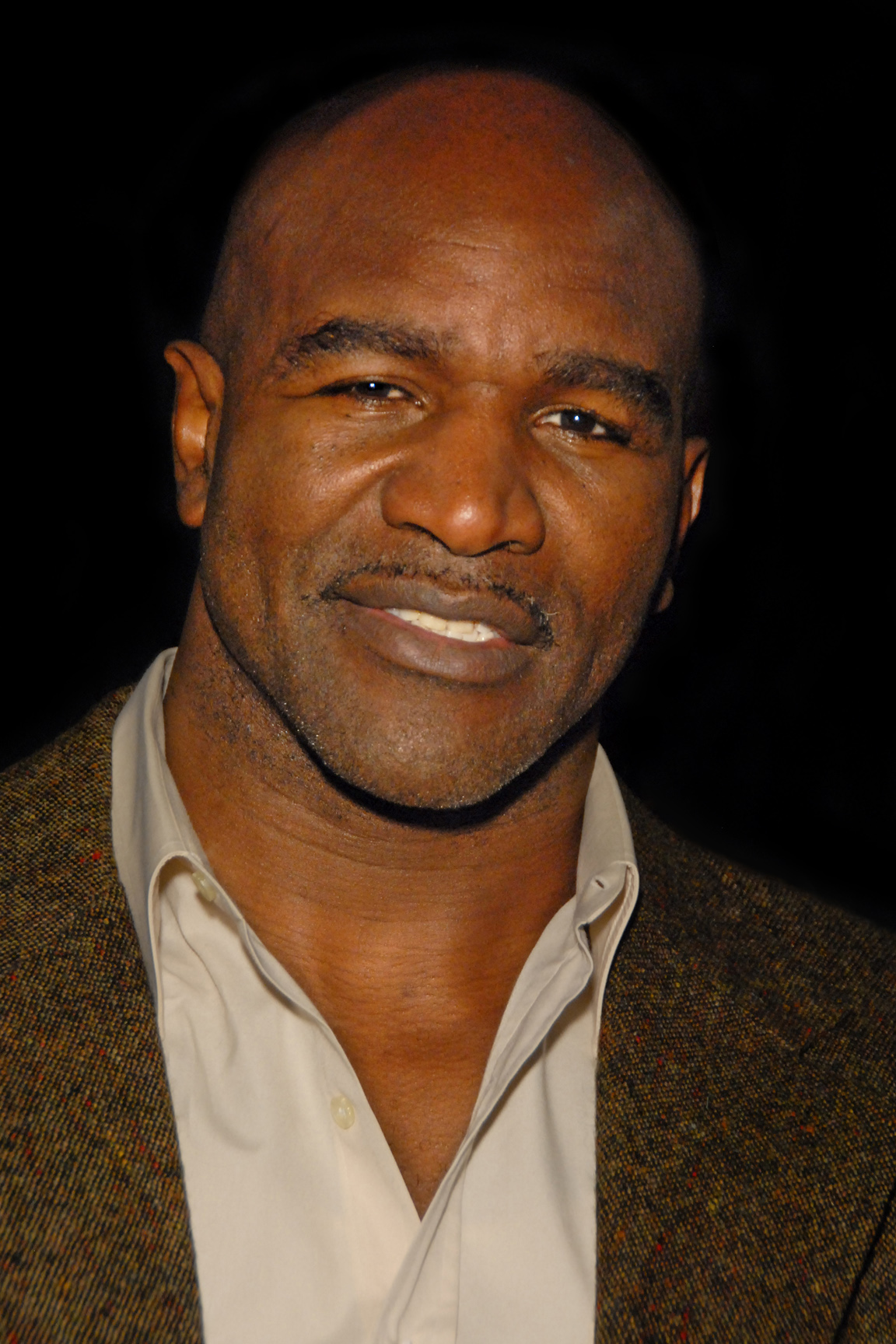
On June 1, 2021, Mike Tyson and Evander Holyfield released cannabis gummies shaped like a bitten ear. The entire run sold out within twenty-four hours. CNN, ESPN, and the New York Times all covered it inside that same news cycle. The gummy itself, called Holy Ears in the product naming and Ear Bites in the press, became one of the most-photographed cannabis products of the past five years.
The genius was that the product joke and the business move were the same thing.
Tyson and Holyfield had been in a twenty-five-year reconciliation arc since the 1997 Bite Fight. The cannabis gummy was both an apology and a co-branding deal. Holyfield took an equity stake in the project. Tyson got a launch event with international press coverage. The gummies sold out twice on relaunch.
The packaging carried both fighters’ faces on the front, with Tyson’s face tattoo on the left and Holyfield’s shaved-head profile on the right. The back-of-pack copy made the joke explicit without overplaying it. Each piece was a 10mg THC dose, the same potency as standard Mighty Bites, and the flavor was a sour citrus formula that tracked closer to Sour Patch than to a typical cannabis gummy.
The shape was the engine. The taste and dose were just enough to make it functional product, not a novelty bag that sat on the shelf. That distinction is why the Ear Bites became a recurring product rather than a one-off marketing stunt. Carma re-runs them periodically, usually around the anniversary of the original 1997 fight or major Tyson press cycles, and each re-run sells through.
What the stunt did for the broader Tyson 2.0 brand is harder to overstate. Cannabis brands generally fail at earned media because the platforms that drive cultural conversations have hard restrictions on cannabis content. Instagram throttles cannabis posts. TikTok bans cannabis hashtags. Twitter has been inconsistent. The Ear Bites cleared all of those filters because the story was a sports-history narrative that happened to involve cannabis, not a cannabis story that happened to involve athletes.
ESPN and CNN ran the story because it was Tyson and Holyfield reconciling. The cannabis was the medium. That media-arbitrage move, telling a story the platforms will carry that happens to sell a cannabis product, is the playbook every celebrity cannabis brand has been trying to copy since.
The cultural staying power has held because the joke is permanent. The 1997 Bite Fight is not going to fade out of sports memory. The gummy reference to it stays current as long as boxing remembers Tyson, which is forever. Stoner culture absorbed the Ear Bites the way it absorbed the Cypress Hill skull-and-bong cover and the Snoop and Willie Nelson collaboration. It became iconography that does not need explanation.
A new dispensary customer who has never heard of Tyson 2.0 sees the Ear Bites jar and immediately understands the joke, which means the product does its own marketing on the shelf. That is the holy grail of cannabis retail and most brands never get there. The Ear Bites got there in 24 hours and have not surrendered the spot.
The $40,000-a-Month Habit. Why the Authenticity Lands.
 |
|
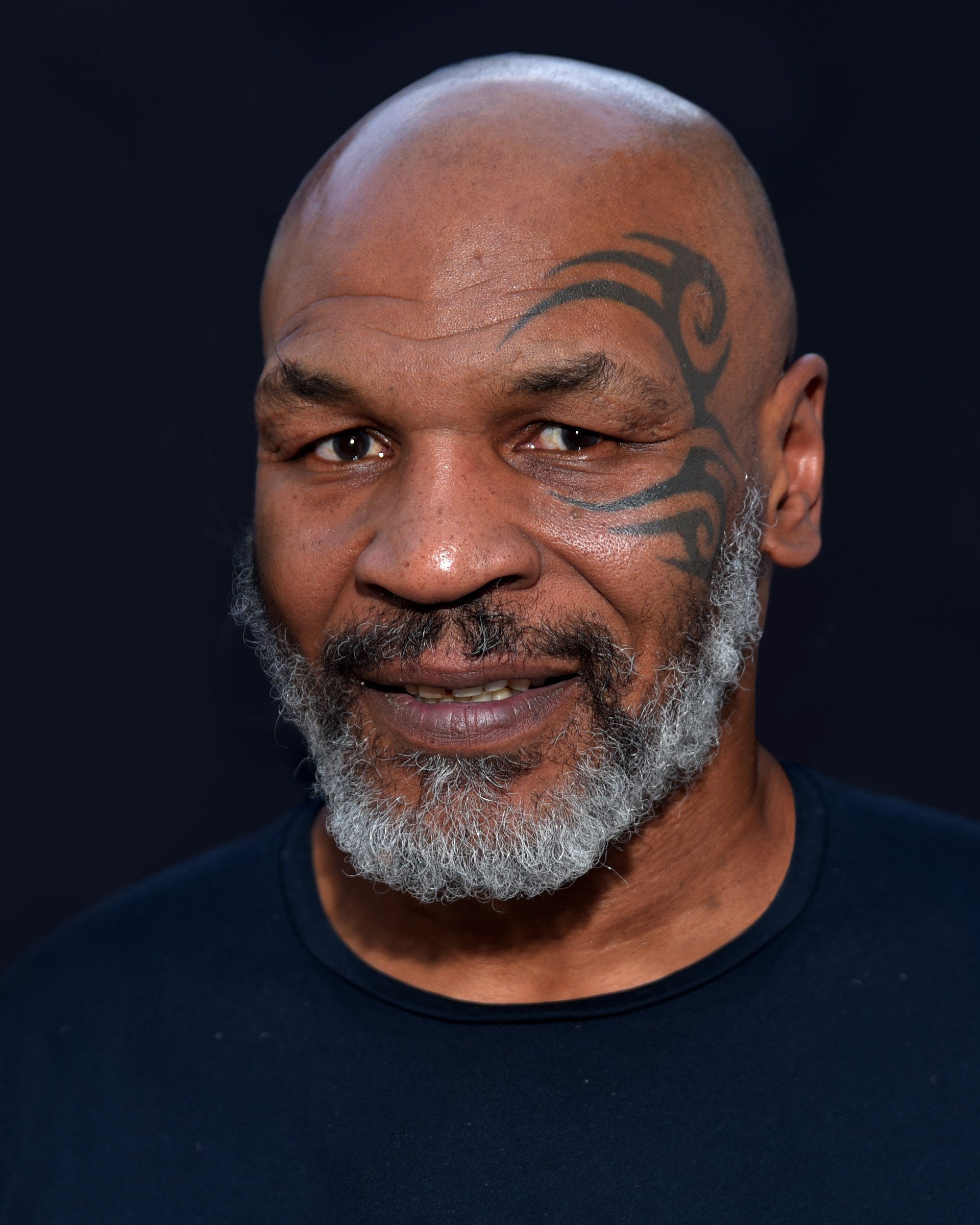
The forty-thousand-a-month figure came out of a 2019 Hotboxin’ episode and has been repeated by Tyson in multiple subsequent interviews, most recently on the press run for the 2024 Jake Paul fight. The math is not implausible if you watch any episode of the podcast. Tyson smokes hand-rolled cigars on camera through most of the recordings. He eats infused gummies between rounds of conversation. The property he records from in Southern California is constantly stocked.
The podcast itself has been running since 2019 and is the single longest-running celebrity cannabis content asset on YouTube, which is unusual because YouTube’s policies on cannabis content are restrictive. Hotboxin’ has survived because Tyson’s involvement makes the platform reluctant to enforce against it.
The public consumption story solves the credibility problem that kills most celebrity cannabis launches. When Snoop Dogg launched Leafs by Snoop, no one questioned whether Snoop actually consumed cannabis because he had been publicly smoking since the early 1990s. When less-credentialed celebrities launched cannabis brands, the market correctly identified them as cash-in plays. Tyson sits firmly in the Snoop tier.
He has been publicly consuming for years. The consumption pattern is documented across hundreds of hours of podcast footage. The spending figure he quotes lines up with the actual product volume he visibly goes through. The brand inherits all of that credibility automatically.
The psychedelics piece is what separates Tyson from every other cannabis-celebrity figure. Rolling Stone has profiled his use of 5-MeO-DMT, the active compound in Bufo alvarius toad venom, multiple times over the past five years. Tyson has credited those experiences with major changes in his mental state and his approach to recovery from depression. He has been similarly open about psilocybin therapy and ibogaine treatment, both of which sit in the same emerging-medicine conversation that California voters and Oregon voters have moved into ballot territory.
That advocacy is not directly attached to Carma HoldCo, but it overlaps with the cannabis brand voice in ways that make Tyson a more credible spokesperson for the broader plant-medicine conversation than any other celebrity in the cannabis space.
The Hotboxin’ podcast has hosted dozens of cannabis-industry guests over its run, including dispensary operators, scientists, and policy advocates. The show has functioned as one of the more accessible mainstream entry points into cannabis culture for a sports-watching audience that overlaps minimally with traditional cannabis media. The de-stigmatization work someone like Tyson does, by simply being publicly visible as a high-functioning daily cannabis user with a multi-state business operation, is more effective than industry advocacy by the standard policy organizations because it reaches an audience the policy organizations cannot.
There is also a generational piece to the consumption story the brand quietly exploits. Tyson is 59 in 2026, and the visible reality of a former heavyweight champion in his late fifties consuming cannabis daily, running multiple businesses, recording a weekly podcast, and continuing to take exhibition fights does more for the older-demographic case for cannabis than any wellness-industry messaging has managed.
The cannabis customer base is aging. The fastest-growing segment of legal cannabis buyers, per Green Market Report consumer surveys, is buyers over fifty, and that segment is choosing brands on trust and recognition far more than on novelty packaging or strain-name marketing. Tyson 2.0 is positioned almost perfectly for that segment. The face on the package is recognizable to anyone who watched television in the 1980s and 1990s. The product format, mid-dose gummies and pre-rolled flower, fits the format older consumers actually prefer.
The Verdict. A Holding Company With a Heavyweight on the Front.
 |
|
The growth trajectory through the back half of 2026 and into 2027 sits at the intersection of three open opportunities. State expansion is the first. Tyson 2.0 is currently active in California, Nevada, Massachusetts, and Florida, with hemp products available nationally. The brand has not yet entered New York, Illinois, Michigan, New Jersey, or Maryland in any meaningful way. Each of those is a top-five US cannabis market by retail dollars, and the licensing model means entry costs are limited to finding a state operator partner rather than building cultivation. New York in particular makes sense given the market’s growth trajectory and Tyson’s personal connection to Brooklyn.
Product-line expansion is the second. The current catalog leans heavily on gummies, with flower, pre-rolls, vapes, and cigars filling out the secondary tier. The hemp drinks line under Tyson 2.0 has performed well enough that a full national beverage push, similar to what Cann built in the social-tonic category, looks like the obvious next vertical. The cigar line could also expand. Tyson’s actual on-camera consumption habit is hand-rolled cigars more than gummies, and a premium cigar line designed for the cannabis-cigar smoker, a category Barewoods has been growing in California, would directly match what Tyson is publicly known for.
The Carma model itself is the third. The holding-company structure Wilks and Tyson built in 2021 is genuinely novel for celebrity cannabis. The Future, Ric Flair, Rick Ross, and Wiz Khalifa signings have proven the model scales beyond a single celebrity. The next generation of Carma signings is likely to expand into combat sports more aggressively, where the cultural overlap with cannabis is high and the celebrity pool is deep. UFC fighters who have been outspoken about cannabis use, retired NFL players who have moved into the wellness space, and music artists in the rap and country crossover all sit on the obvious shortlist.
The risk to the whole portfolio sits at the federal level. The Tyson 2.0 hemp drinks and Delta-8 gummies are currently legal under the 2018 Farm Bill’s definition of hemp, but the 2024 and 2025 Farm Bill discussions have included multiple proposed amendments that would tighten the THC threshold or carve out infused hemp products from federal protection. USDA has not yet published final guidance, and several states have already moved to ban Delta-8 independently. If federal hemp law tightens, the national distribution arm shrinks significantly, and the brand becomes dependent on state cannabis market expansion, which is slower and more expensive. The cultivation and state-licensed cannabis side stays intact. The hemp side is the volatile piece.
Strip the hemp risk away and the structure still holds. A flagship retail brand with proven product-market fit. A holding-company infrastructure that has scaled celebrity collaborations beyond what any other cannabis operator has managed. A cultivation property that anchors the brand origin story. A marketing moment in the Holyfield Ear Bites that has earned permanent stoner-culture iconography. The forty-thousand-a-month authenticity baseline underneath all of it.
For more on the broader California licensed-brand environment Tyson 2.0 operates inside, the Top 10 California Cannabis Brands roundup covers the survivors. The Snoop Dogg portfolio breakdown covers the only other celebrity cannabis universe operating at the same cultural altitude. The wider High Life Global cannabis tourism coverage tracks the brands, dispensaries, and city scenes the Tyson catalog now competes inside, alongside the canonical stoner movies ranked list and the stoner comedy guide that map the rest of the cultural neighborhood Tyson 2.0 lives in.
The myth was that a heavyweight champion put his face on a gummy bag and waited for the check to clear. The actual story is that Tyson and Wilks built a music-industry holding company first, anchored it with a 420-acre property in Coalinga, then used a single twenty-four-hour press cycle in 2021 to install the Holyfield Ear Bites in stoner culture forever. Mike Tyson built the most-meme’d cannabis brand of the past five years, and the receipts say it.
The number tracks.