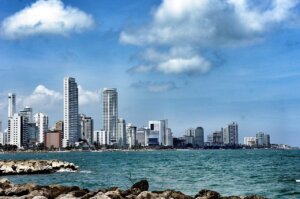
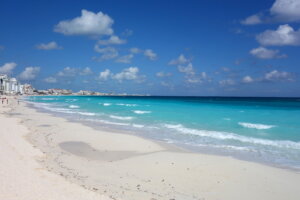
Cartagena is the kind of city that makes you want to slow down. The walled old town glows gold at sunset, salsa spills out of doorways in Getsemani, and the Caribbean sits warm and flat past the ramparts. Somewhere in that atmosphere, most visitors end up wondering the same thing: can you smoke weed here, and if so, how do you do it without turning a great trip into a bad one. The honest answer is more layered than a simple yes or no, and getting it wrong can mean a shakedown, a scam, or worse. This guide lays out exactly where Colombia stands, what that means on the ground in a tourist city, and how to stay on the safe side of both the law and the street.
Is cannabis legal in Cartagena right now?
Colombia sits in an unusual middle ground, and Cartagena follows national law, so the rules here are the same as anywhere else in the country. Personal possession and personal use of small amounts have been decriminalized since a 1994 Constitutional Court ruling that tied drug use to the right to free development of one’s personality, and the government later fixed a personal-use threshold of up to 20 grams of cannabis, along with limited home cultivation of a handful of plants. Medical cannabis has been fully legal and regulated since 2016. What has never become legal is the recreational sale of cannabis, a framework Colombia has kept in place through repeated failed reform attempts. In plain terms: carrying a small personal amount is tolerated, buying it from a shop is not an option, because no legal recreational shop exists.
That distinction is the single most important thing a traveler can understand. This is not Colorado, and it is not Thailand’s dispensary boom. There is no counter where you show a passport and pick a strain. The consumption side has been quietly decriminalized while the supply side stays entirely in the informal market, which is exactly the tension that shapes every practical decision you will make in Cartagena.
What Colombia’s minimum-dose rule means for visitors
The Spanish term you will hear is the dosis mínima, the minimum or personal dose. Under Colombian precedent, an adult carrying up to 20 grams of cannabis for personal use should not face criminal prosecution for possession alone. In practice, that legal cushion exists to protect the user, not to authorize a market. It does not make you a customer with rights at a point of sale, because there is no lawful point of sale. It also does not shield anyone who is selling, distributing, or carrying quantities that look like more than personal use.
For a foreign visitor, the nuance matters even more, because the protections built around personal use were written with Colombian citizens and their constitutional rights in mind. A tourist leaning on the dosis mínima as a guarantee is on thinner ice than a local, especially in any encounter where a police officer has discretion. Treat 20 grams as a legal ceiling that reduces risk, not a permission slip that removes it.
There are no dispensaries: the grey-market reality
Because recreational retail is not legal, Cartagena has nothing resembling a regulated storefront. Unlike the licensed coffeeshops we cover in Amsterdam, or the government-approved storefronts you would walk into across Canada, there is no menu, no lab-tested label, and no receipt here. What exists instead is a street and beach economy. Vendors approach tourists in predictable places: along the beach in Bocagrande, near the clock tower and Plaza de los Coches at the entrance to the old city, and in the nightlife blocks of Getsemani. Some are casual, some are organized, and a tourist has almost no way to tell the difference in the moment.
The product itself is a gamble. Without any testing or labeling, potency is unknown, and so is what else might be mixed in. The classic Cartagena street offer is cheap, insistent, and aimed squarely at visitors who do not know the going rate or the neighborhood. Paying a tourist markup is the least of the concerns. The bigger issues are the ones that turn a small purchase into a genuine problem, which is where the real risk lives.
Where tourists actually get into trouble
The first trap is public consumption. Decriminalized personal possession is not the same as a right to smoke wherever you like, and Colombian authorities can and do restrict consumption in public spaces, parks, and near schools. A joint on a crowded plaza or a tourist beach is an open invitation for a police interaction, and once that starts, discretion is not on your side. The United Kingdom’s foreign office is blunt that drug-related offenses carry serious penalties in Colombia, and that being a foreigner offers no special leniency.
The second trap is the police encounter itself. Even when you are technically within the personal-use threshold, an officer who stops you can lean on the ambiguity. Some interactions end with a warning. Others become a pressure situation where a traveler, nervous and far from home, is steered toward paying to make the problem disappear. The safest posture is to avoid giving anyone a reason to stop you in the first place: keep any personal amount small and out of sight, and never consume in the open in a heavily policed tourist zone.
Scams, spiking, and why buying from strangers is the real risk
The most serious danger in Cartagena is not a possession charge. It is what can happen around a street drug transaction. The US State Department warns travelers to Colombia specifically about criminals using drugs to incapacitate victims, including through spiked food, drinks, and cigarettes, a hazard often linked to the drug scopolamine, known locally as burundanga. A stranger who offers to sell you weed, or hands you something already rolled, is a stranger you have no reason to trust with what goes into your body.
Robbery and setups are the other half of the picture. The UK foreign office documents that drink and food spiking and drug-related robberies are recurring risks for visitors, and a solo tourist following an unknown vendor to a quieter spot to complete a purchase is doing exactly what safety advisories warn against. Many of these situations follow the same avoidable pattern that catches travelers everywhere, the kind we break down in our roundup of common cannabis travel mistakes. If you would not follow a random person down a side street to buy anything else, do not do it for this.
CBD and medical cannabis for travelers
The legal, regulated side of Colombian cannabis is medical, overseen by the national narcotics authority that licenses and controls medical cannabis in the country. That program is built for patients with prescriptions inside the Colombian health system, not for tourists looking for a legal workaround, so a visitor cannot simply walk in and buy medical flower on arrival. CBD products are a different and easier story. Non-intoxicating cannabidiol items, from oils to topicals, turn up in pharmacies, wellness shops, and beauty stores in larger Colombian cities, and the World Health Organization notes that CBD on its own shows no potential for abuse or dependence. If your goal is calm rather than intoxication, a legal CBD product from an actual store is a far smarter buy than anything offered on the sand.
Etiquette: where a joint is tolerated and where it is not
Colombia is generally relaxed about private, low-key personal use, and Cartagena is no exception in the right setting. Consumption on a private balcony, a rented apartment, or a discreet corner far from families and police draws little attention. The same joint on a packed public beach, in a historic plaza, or near children reads very differently, both legally and socially. Locals live and work in the old city and Getsemani, and treating a UNESCO-listed neighborhood like an open-air smoking lounge is a fast way to wear out your welcome.
Discretion also protects you. Keeping consumption private and quiet removes most of the police-interaction risk described above, and it keeps you from becoming the obvious tourist that street vendors and opportunists target. In a city built around walking, nightlife, and the water, the smart move is to keep this part of the trip out of public view entirely.
What to know before you go
Cartagena rewards travelers who understand the gap between what is decriminalized and what is legal to sell. To recap the practical picture: carrying a small personal amount is tolerated under the dosis mínima, but there are no dispensaries, the street supply is untested and tied to real safety risks, public consumption invites police attention, and the medical program is not built for tourists. None of that means Cartagena is off-limits or hostile. It means the responsible approach is to keep expectations grounded, favor legal CBD from real stores over street product, never buy from or follow strangers, and keep any personal use private and discreet. Do that, and the city’s actual draw, the walls, the water, the music, and the food, stays exactly as good as it looks in the photos.
Cannabis in Cartagena: FAQ
Is weed legal in Cartagena, Colombia?
Personal possession of up to 20 grams has been decriminalized in Colombia since a 1994 Constitutional Court ruling, so carrying a small personal amount is tolerated in Cartagena. However, recreational sale is not legal, so there are no dispensaries or legal shops to buy it from.
Are there cannabis dispensaries in Cartagena?
No. Recreational retail cannabis is not legal anywhere in Colombia, so Cartagena has no dispensaries or legal storefronts. Only regulated medical cannabis, prescribed within the Colombian health system, and non-intoxicating CBD products are sold legally.
Can tourists buy CBD in Cartagena?
Yes. Non-intoxicating CBD products such as oils and topicals are sold legally in pharmacies and wellness shops in larger Colombian cities. Medical cannabis, by contrast, is limited to patients with prescriptions in the Colombian health system and is not available to tourists on arrival.
What are the risks of buying weed on the street in Cartagena?
Street and beach cannabis in Cartagena is untested, of unknown potency, and tied to real safety risks including robbery and drink or food spiking. Public consumption can also draw police attention, and foreigners receive no special leniency for drug offenses.