Hemp wraps get marketed as the clean, natural way to roll, and a lot of that reputation is earned. They contain no tobacco and no nicotine, which makes them a genuine step up from traditional tobacco blunt wraps. But “tobacco-free” is not the same as “safe to inhale.” A hemp wrap is still dried plant material, and once you light it, you are breathing in smoke. This guide answers the health question directly: what hemp wraps are actually made of, what is and is not in them compared to tobacco wraps, what burning them really does to your lungs, and an honest bottom line so you can decide for yourself.
The Short Answer
Hemp wraps are better than tobacco blunt wraps because they remove nicotine and the tobacco-specific carcinogens that come with it. They are not a healthy product. The reason is simple: smoking anything means inhaling the products of combustion, and combustion of any plant material produces tar, fine particulate, and toxic gases that irritate and damage the lungs. So if the question is “are hemp wraps bad for you,” the honest answer is that they are less bad than a tobacco wrap, but they are still bad for your lungs. There is no such thing as a clean inhale of burning plant smoke.
What Hemp Wraps Are Made Of
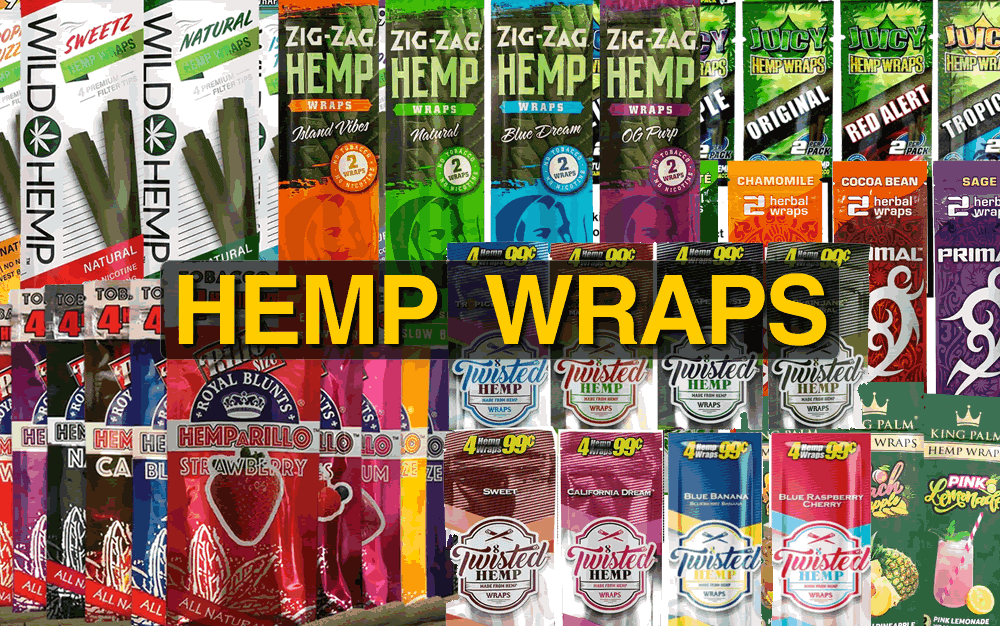
Hemp wraps are thin sheets pressed from industrial hemp fiber, the same plant species as cannabis but bred for low THC. The hemp is pulped, sometimes blended with a small amount of other plant fibers for flexibility, then rolled flat into a wrap you can fill with ground flower. Unlike a tobacco blunt wrap, there is no cured tobacco leaf in the sheet, which is the whole point of the product. Many brands also market their wraps as containing no added bleach, calcium carbonate, or chemical burn agents, though that varies by brand and is worth checking on the package.
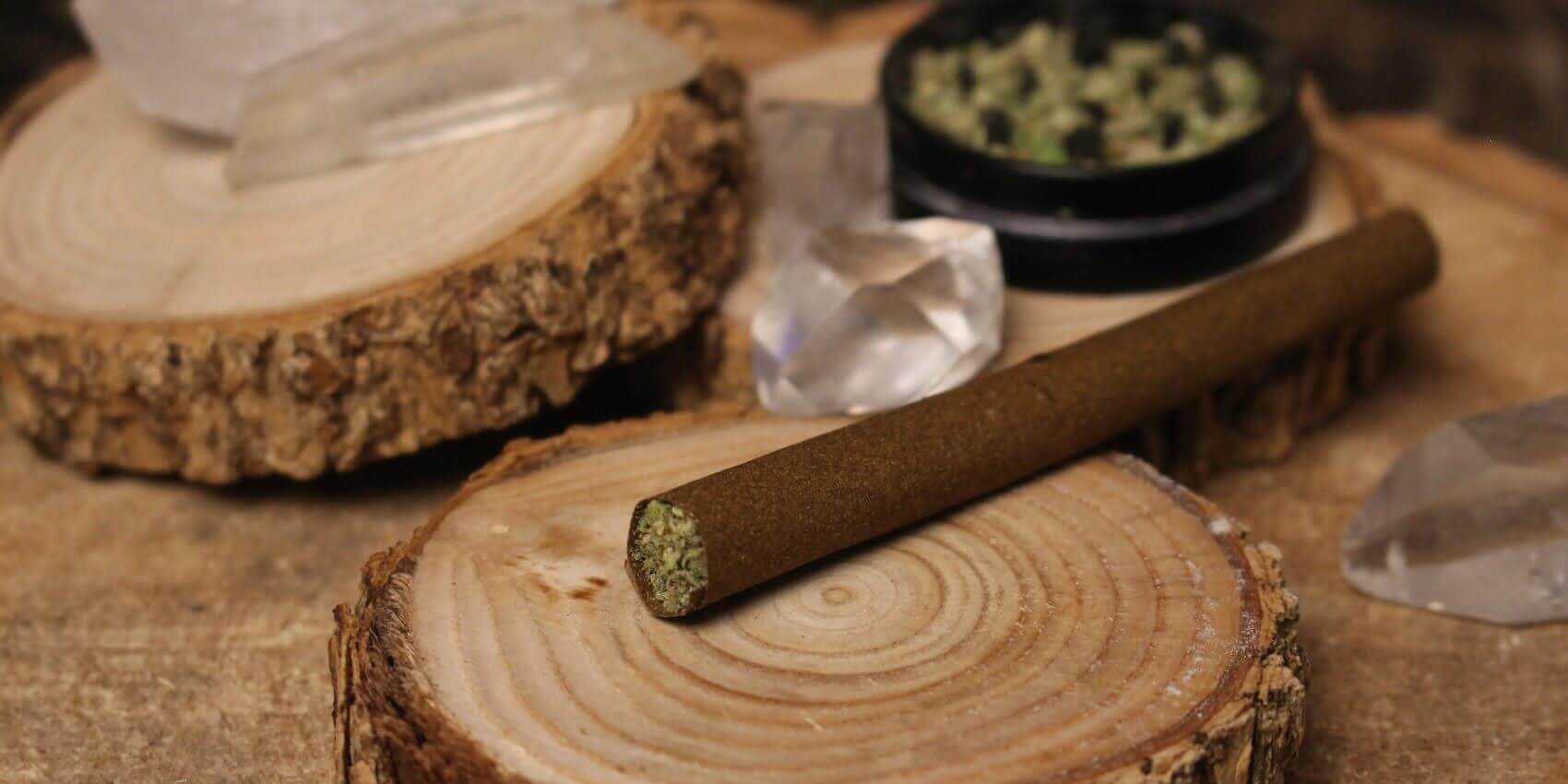
That natural sourcing is real, and it matters for what you avoid. But it does not change the basic fact that the finished wrap is dry, combustible plant matter. The fiber itself is not the health concern. The smoke it creates when it burns is. If you want the full picture on rolling material in general, here is what actually happens when you smoke weed with paper and other wrappers.
Hemp Wraps vs Tobacco Blunt Wraps: What Is and Is Not Inside
This is where hemp wraps earn their advantage. A traditional blunt wrap is made from a cured tobacco leaf, which means every blunt rolled in one delivers nicotine along with the flower. Nicotine is the chemical that drives addiction, and it is not a trivial add-on: it raises heart rate and blood pressure and is the reason people who smoke blunts can end up dependent on tobacco without ever buying a pack of cigarettes.
- In a hemp wrap: hemp fiber, sometimes natural flavoring or terpenes, no tobacco, no nicotine.
- In a tobacco blunt wrap: cured tobacco leaf, nicotine, and the tobacco-specific nitrosamines that form during curing, which are among the most potent carcinogens in tobacco products.
Removing tobacco removes nicotine and those tobacco-specific carcinogens, and that is a meaningful health difference. The CDC notes that there is no safe form of tobacco use, so cutting it out of your roll is a real reduction in risk. What hemp wraps do not remove is the smoke itself, which is the next problem.
The Combustion Reality: What Burning Any Plant Produces
Here is the part the “natural” marketing skips. When you light a hemp wrap, you are not inhaling hemp. You are inhaling smoke, and smoke from any burning plant is a chemical soup created by combustion, not by the source plant being good or bad for you. Researchers who have analyzed marijuana and other plant smoke have found that the combustion of plant material produces many of the same toxins, irritants, and carcinogens found in tobacco smoke, regardless of which plant is burning.
Three things in particular come straight from the burn:
- Tar: the sticky residue of partially burned plant matter that coats the airways and lungs.
- Fine particulate matter: microscopic particles small enough to lodge deep in the lungs. The EPA links fine particle pollution to reduced lung function, airway irritation, and aggravated respiratory disease.
- Carbon monoxide: a colorless gas produced by incomplete combustion that binds to your blood and reduces the oxygen it can carry.
None of those depend on whether the wrap was organic, GMO-free, or tobacco-free. They are the unavoidable byproducts of setting plant matter on fire and pulling the result into your lungs. A hemp wrap that is thicker than a thin rolling paper actually produces more smoke per puff, which means more of these byproducts per session, not fewer.
Flavorings and Additives Some Brands Add
Plenty of hemp wraps are sold flavored: honey, mango, grape, and similar. Some use natural terpenes, others use added flavoring compounds. The concern is not the flavor sitting in the package; it is that many flavoring chemicals are tested as safe to eat, not safe to heat and inhale. The FDA has flagged flavored inhaled products specifically because heating a flavoring can change it into something you would not want in your lungs. With hemp wraps, brands are not required to disclose the exact flavoring formula, so you often cannot verify what is being combusted. If you are choosing a wrap on health grounds, an unflavored, single-ingredient hemp wrap removes one more unknown from the equation.
Hemp Wraps vs Rolling Papers for Your Lungs
Because hemp wraps are thicker and denser than a thin rolling paper, they tend to burn into more smoke per puff, so a thin unbleached paper generally puts less combusted material into your lungs per session. Neither one is healthy, since both still involve burning, but the lung-exposure trade-off is real. For the full head-to-head on burn, flavor, and lung impact, see how hemp wraps compare to rolling papers.
The Honest Bottom Line
If you are switching from tobacco blunt wraps to hemp wraps, you are making a real improvement: you cut out nicotine, the addiction it drives, and the tobacco-specific carcinogens that come with a cured leaf. That is worth doing. But do not let the “natural” label convince you that hemp wraps are a healthy choice. The science on smoke is consistent: burning any plant and inhaling it loads your lungs with tar, fine particulate, and carbon monoxide, and your airways do not care whether the source was tobacco or hemp.
The genuinely low-risk options are the ones that skip combustion entirely, like edibles or properly used dry-herb vaporization. If you do choose to roll, an unflavored hemp wrap over a tobacco blunt wrap, or a thin unbleached paper, lowers your exposure without pretending the risk is gone. If you want to roll one well, here is a clean walkthrough on how to roll a blunt. The realistic goal with smoking is harm reduction, not health.
Frequently Asked Questions
Are hemp wraps bad for you?
Hemp wraps are less harmful than tobacco blunt wraps because they contain no tobacco or nicotine, but they are still bad for your lungs. Burning a hemp wrap produces tar, fine particulate, and carbon monoxide, the same combustion byproducts found in other plant smoke. Tobacco-free does not mean safe to inhale.
Are hemp wraps healthier than tobacco blunt wraps?
Yes, relatively. Hemp wraps remove nicotine and the tobacco-specific carcinogens that form when tobacco is cured, which is a real reduction in risk. They do not remove the smoke itself, so they are healthier than tobacco wraps but still not a healthy product.
Are hemp wraps or rolling papers healthier for your lungs?
Thin, unbleached rolling papers generally expose your lungs to less combusted material per session because hemp wraps are thicker and produce more smoke per puff. Neither is healthy since both involve combustion, but a thin paper has the edge on raw lung exposure.
Do flavored hemp wraps add health risks?
They can. Many flavoring chemicals are tested as safe to eat but not as safe to heat and inhale, and brands are not required to disclose their flavoring formulas. An unflavored, single-ingredient hemp wrap removes one unknown from what you are combusting.