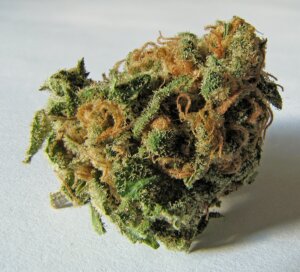
You can roll weed in book paper, and bible paper in particular is thin enough that it actually burns close to a rolling paper, but it is not safe to smoke on any regular basis. The cannabis burns fine. The page is the problem, because book paper is printed with ink and is usually loaded with clay or calcium-carbonate filler and a light coating that keep the sheet thin, white, and opaque. In a real emergency you can pick the cleanest, least-printed page, roll a small amount once, and move on, but a glass pipe or an actual rolling paper beats it every time.
That is the honest answer. The detail below decides how risky a given page is, because a blank flyleaf and a glossy printed plate are not the same hazard, plus a clean way to roll one if you are genuinely out of options.
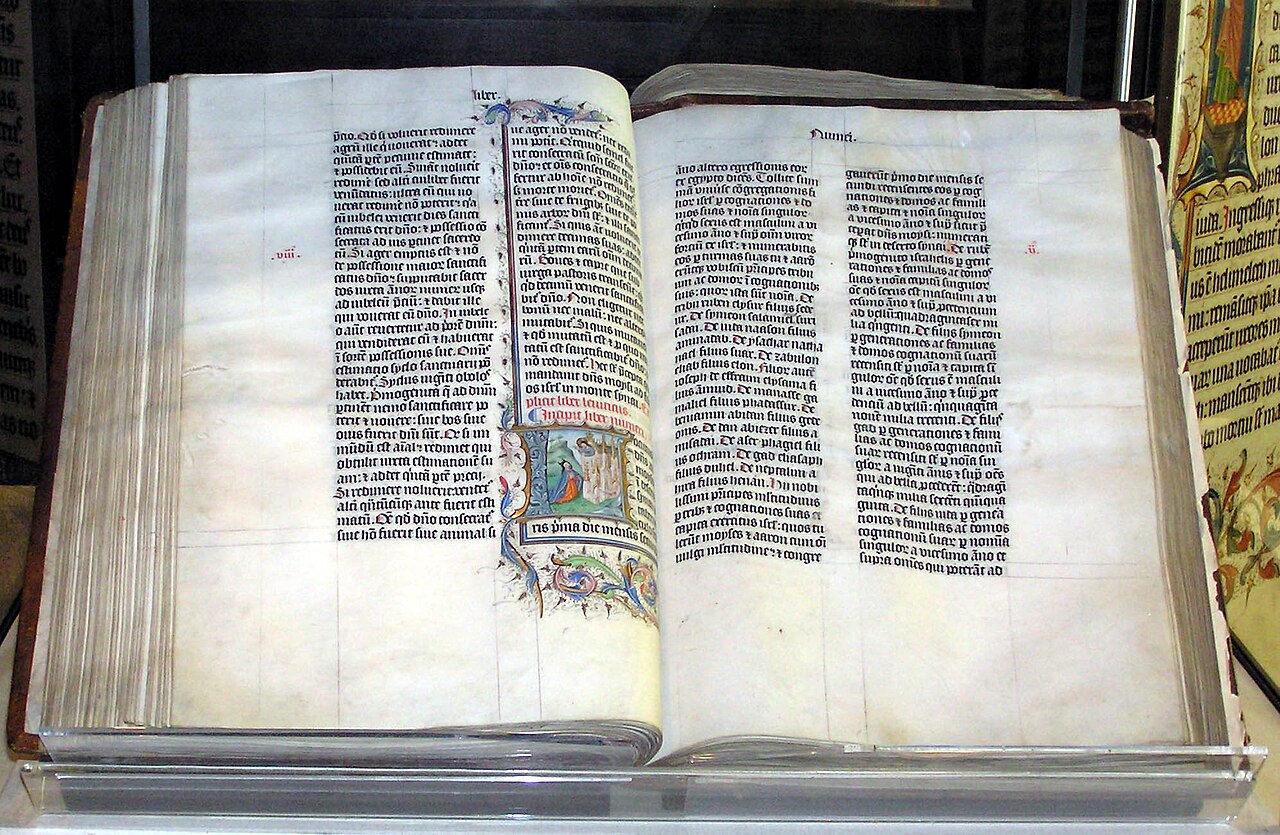
Here is the quick verdict on the book pages people actually reach for, ranked from the least bad emergency option down to the pages that belong nowhere near a flame.
| Book paper type | Is it safe? | Main hazard | Use in a pinch? |
|---|---|---|---|
| Blank flyleaf or end page (thin, unprinted) | Least bad book option | Mineral filler and coating | Once, smallest piece |
| Bible or dictionary text page (very thin) | Emergency only | Dense printing ink plus filler | One-time fix, least-inked area |
| Standard novel or paperback page | Emergency only | Ink, filler, slightly thicker burn | One-time fix, trim the type out |
| Glossy magazine or coated plate | Avoid entirely | Clay coating fumes, burns hot | No |
| Colored or heavily illustrated page | Avoid entirely | Extra pigment and ink load | No |
| Old or moldy book page | No, full stop | Mold spores plus aged chemicals | No |
The Direct Answer: Only a Clean, Thin Page, and Only Once
A book page holds weed and combusts, so a joint rolled from it will light and smoke. That much works, and bible paper rolls better than most household paper because it is so thin. The issue is what the page is made of and what is printed on it. Book paper is generally machine-finished and loaded with mineral filler, then printed with ink across most of the surface. Each of those is a separate thing you are setting on fire next to your mouth.
The biggest single hazard is the ink. A study published in Flavour and Fragrance Journal identified dozens of volatile organic compounds released from treated and printed paper, and printing inks carry pigments, binders, and solvents never meant to be inhaled. The dense text on a bible or dictionary page is the material to keep out of the rolled section.
If you are going to do it at all, the rules are narrow. Use the thinnest, cleanest page in the house, a blank flyleaf or end page if there is one, keep the printed type out of the smoke, and keep the amount of paper to a minimum. Glossy plates, colored pages, and old moldy stock are meaningfully worse and should be skipped outright. For the full landscape of household substitutes side by side, our guide on smoking weed with regular paper ranks book, notebook, printer, and tissue together.
Why Book Paper Is Risky to Smoke: The Hazards Stack Up
Book and bible paper carry several distinct hazards, and they do not cancel out. They add together every time you light the page.
Printing ink. Most of a book page is covered in type. Inks are built from pigments, resins, and drying agents, and burning them releases combustion byproducts that clean plant fiber does not. Bible paper is the worst offender here because it is printed edge to edge in tiny dense type, so there is very little clean area to work with.
Mineral filler and coating. Book paper gets its smooth, opaque, bright look from fillers such as clay, calcium carbonate, or titanium dioxide, plus surface sizing. Bible paper in particular leans on these fillers to stay thin yet opaque. Inhaling combusted mineral particulate is not something the lungs clear easily, and the US EPA links fine particulate matter in the PM2.5 range to airway and cardiovascular harm.
Bleach and processing residue. The bright white of book paper comes from a whitening step, and burning bleached chlorine-processed fiber is where the dioxin concern comes from. The World Health Organization classifies dioxins, chlorinated byproducts of incomplete combustion, as highly toxic and persistent in the body.
Particulate and possible mold on old books. Any burning paper produces fine particulate, and an old or damp page adds another problem. Aged paper can carry mold and dust, and the CDC notes that inhaling mold spores can trigger respiratory irritation. None of this makes one emergency joint a crisis. It makes a book-paper habit a bad idea.
What Actually Happens When You Burn a Book Page
Light a book-paper joint and the weed does its normal job. The page behaves differently from a rolling paper in a few ways you will notice within the first few pulls.
With bible or dictionary paper, the burn runs close to a rolling paper because the sheet is so thin, which is exactly why people single it out. A thicker novel or paperback page burns faster and uneven, the cherry races ahead of the cannabis, and the joint canoes down one side.
The smoke is harsher and often tastes of ink. You are inhaling combustion products from the printing ink, the mineral filler, and any coating, on top of the cannabis smoke. The American Lung Association notes that fine particles cause airway inflammation with repeated exposure, and a printed, filled page delivers more of them than a clean rolling paper.
The seal is weak. Book paper has no gum line, so the only thing holding the joint shut is the moisture from your lip and how tightly you rolled it. That is why a book-paper joint has to be smoked right away and cannot be stored.
How Book Paper Compares to Real Rolling Papers
The contrast shows what you give up. Real rolling papers from brands like RAW, OCB, or Elements use hemp, rice, or flax fiber with no printed ink, no mineral filler, and no clay coating. They burn slow and even, the gum line is natural gum arabic, and the paper is thin enough that the cannabis flavor dominates.
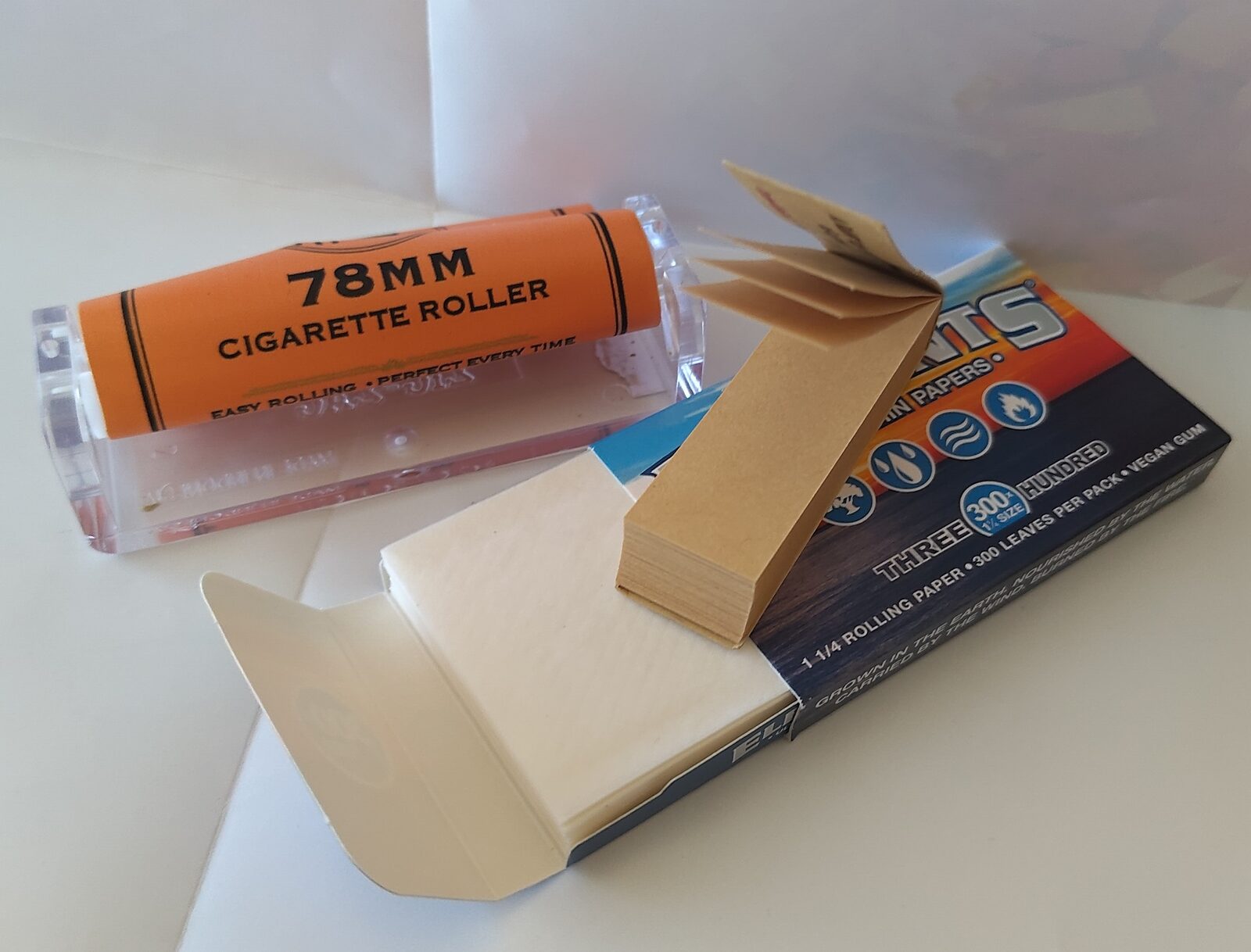
Book paper was built to carry text, not flame. Bible paper gets close on thinness, but it is printed edge to edge and filled with mineral coating, so the ink and clay turn into something you do not want in smoke. The same problem shows up with ruled binder pages, which we cover in our guide to rolling weed in notebook paper. Both are emergency-only, and both lose badly to a two-dollar pack of papers.
Step-by-Step: How to Roll Weed in Book Paper If You Have No Other Option
If you are genuinely out of everything, a careful roll minimizes the worst of it by avoiding the heaviest ink and using as little paper as possible.
Step 1: Find the cleanest page. Skip glossy plates, colored sections, and heavily inked pages. A blank flyleaf or end page is the prize. If there is no blank page, a thin bible-paper sheet with a margin is the next best thing.
Step 2: Keep the ink out. Tear the strip from the blankest area you can find. If you must use a printed page, keep the inked type out of the rolled section. The ink is the part you least want to burn.
Step 3: Tear to size. Tear a strip roughly four inches by one and a half inches, about the footprint of a king-slim rolling paper. Less paper is better because every extra square inch is more ink and filler.
Step 4: Roll a crutch. Tear a one-inch square of the blank paper and roll it into a tight cylinder the width of a pencil. This filter tip gives the flimsy mouth end some structure.
Step 5: Load small. Place the crutch at one end and spread an even, light pinch of ground cannabis along the strip. Under half a gram. Less weed needs less paper.
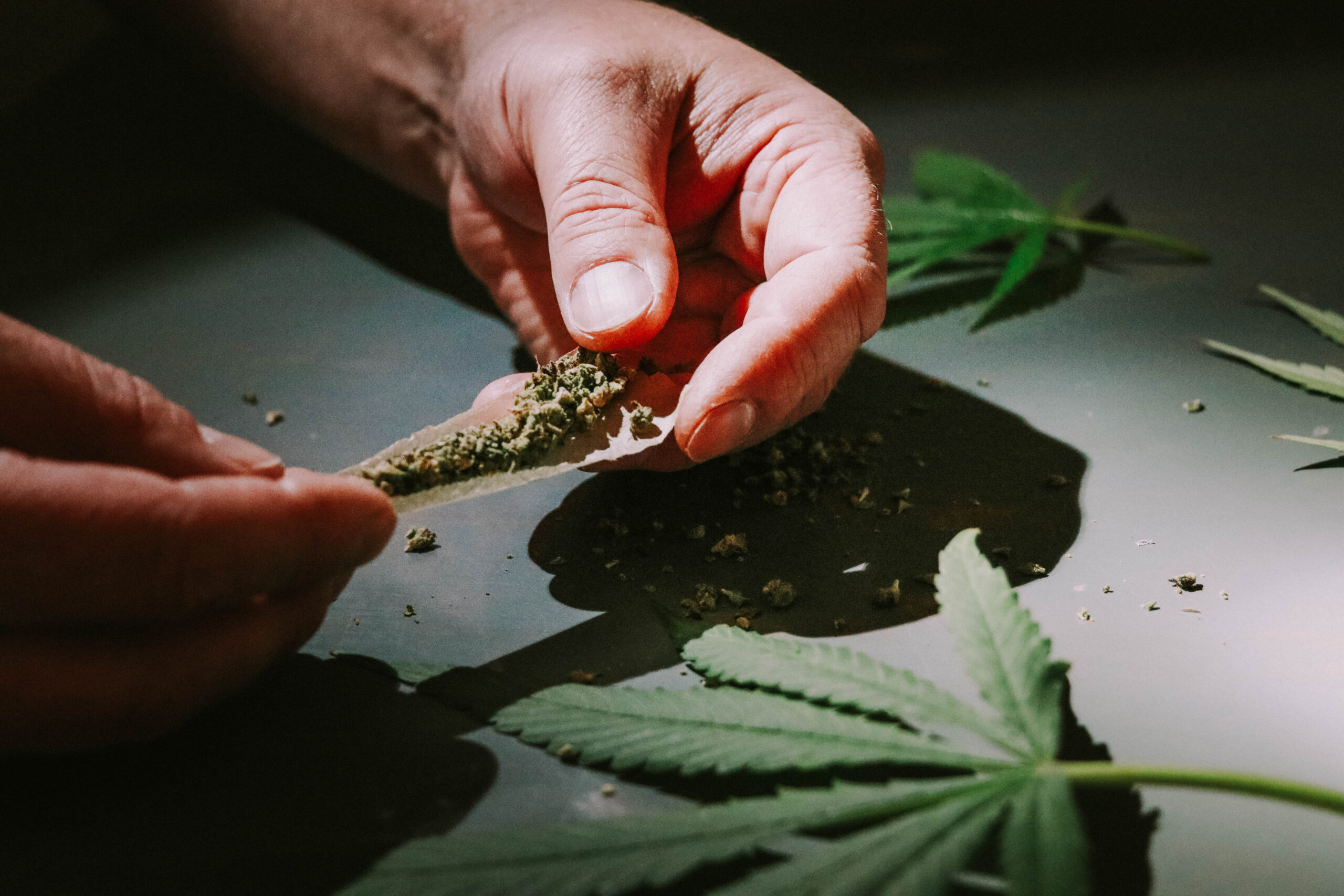
Step 6: Roll, seal, and smoke now. Roll the cannabis into a cylinder, lick the closing edge, and press it firmly for several seconds so the moisture bonds the thin fibers. Twist the open tip closed and smoke it immediately. A book-paper joint will not survive storage. If you would rather learn it properly for next time, our walkthrough on how to roll a joint uses real papers and the same crutch technique.
Safer Alternatives When You Are Out of Papers
Every option below beats book paper. If any of them is within reach, use it instead.
Unbleached hemp or rice rolling papers. RAW Organic Hemp and OCB Organic Hemp are stocked at most gas stations and corner stores. A pack of 50 runs under two dollars and removes every hazard on this page. Thin, slow-burning, no ink, no filler.
Hemp wraps. Thicker than rolling papers, tobacco-free, and slow-burning. If you want blunt-weight smoke without nicotine, a hemp wrap is the right call and a far better blunt base than a book page. Our comparison of hemp wraps versus rolling papers covers when each one fits.
Corn husks. Traditional in Latin American and Caribbean smoking culture, additive-free, and slow to burn. If the husk feels damp, dry it in an oven at 200 degrees for ten to fifteen minutes first.
A glass pipe or bowl. No paper at all. If there is any glassware around, a bowl is the cleanest and most efficient option. An apple pipe takes two minutes to build with a pen and a piece of fruit and burns nothing foreign alongside the cannabis.
Frequently Asked Questions
Can you roll weed in book paper?
Technically yes, a thin book or bible page will wrap and burn, but it is not safe to smoke regularly. Book paper carries printing ink and is often loaded with clay or calcium-carbonate filler and coatings, none of which were meant to be inhaled. If you have no other option, pick the cleanest, least-printed page, use as little as possible, and treat it as a one-time emergency.
Is bible paper safe to smoke?
No. Bible paper is thin and opaque because it is packed with mineral filler and lightly coated, and the pages are densely printed with ink. Burning those fillers and inks adds particulate and byproducts that a clean hemp or rice paper does not. The thinness helps the burn, but it does not make the coatings or ink safe.
What happens when you put weed in book paper and smoke it?
The cannabis combusts normally. The page is the problem. Burning book paper releases fine particulate plus byproducts from its ink and mineral coatings. The smoke is harsher, can taste of ink, and the inhaled chemical load is higher than with a rolling paper.
Can you roll a blunt with book paper?
Not well. A blunt uses a thick, slow-burning, self-sealing tobacco or hemp wrap. Book paper is extremely thin, has no gum line, and burns fast, so it behaves like a flimsy joint rather than a blunt. For blunt-weight smoke, a hemp wrap is the correct substitute.
What should you use instead of book paper to roll?
In order of preference: unbleached hemp or rice rolling papers, hemp wraps, corn husks, or a glass pipe or bowl that needs no paper at all. A pack of rolling papers costs under two dollars and removes every ink and filler hazard on this page.
The Bottom Line
Book paper rolls a smokable joint, and bible paper is thin enough to burn close to a real rolling paper, which is why people keep asking about it. The weed works. The page is the problem, and the danger depends on how much ink and filler you burn. A clean, thin, unprinted flyleaf is the least bad option on the shelf. Glossy plates, colored pages, and old moldy stock add more chemical and biological load and should be avoided.
The better move is to never be in this spot. A pack of RAW Organic Hemp papers costs almost nothing and keeps for years, so one pack in a drawer means the question never comes up again. For the full rundown of what people actually try when the shop is closed, our guide on smoking weed with regular paper compares book, notebook, printer, and tissue side by side.