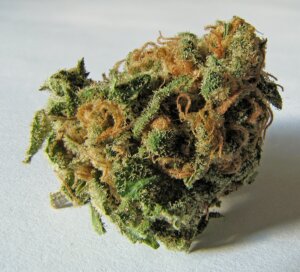
No, you should not roll weed in parchment paper, even though it physically wraps around a packed cone. The real problem is the coating. Parchment is treated with a non-stick layer, usually silicone and sometimes a chromium-based quilon finish, and that layer was engineered to survive a hot oven, not to be set on fire and pulled into your lungs. The cannabis itself burns fine. The coated paper is the hazard, and it also rolls poorly because it is stiff and has no glue strip.
If you only remember one thing, remember that the coating is the story. Everything below explains what that coating is, what it does at flame temperature, why parchment fails as a rolling paper on a purely mechanical level, and what to reach for instead.
The Direct Answer: The Coating Is Why Parchment Is a Bad Idea
Parchment paper is base paper that has been treated to make it non-stick and heat-resistant. That treatment is the whole point of the product and it is the whole problem for smoking. A burning joint runs hot at the cherry, far past the roughly 420 to 450 Fahrenheit that parchment is rated for in baking. At that flame front the coating does not just warm up, it combusts along with the paper, and you inhale whatever that produces.
Two coatings show up on shelves. The common one is silicone, technically a polydimethylsiloxane (PDMS) layer that is stable at oven heat but was never characterized for inhalation when it breaks down in a flame. The older industrial coating is quilon, a chromium fatty-acid complex. Neither was designed to touch your airway. That single fact is why the answer is no, separate from how badly parchment rolls.
Here is the quick verdict at a glance.
| Question | Short verdict |
|---|---|
| Can you roll weed in parchment paper? | It wraps, but do not smoke it. The coating is the problem. |
| Is it safe to inhale? | No. Silicone and quilon coatings are not rated for combustion or inhalation. |
| Does it roll well? | No. It is stiff and has no glue strip, so the seam will not hold. |
| Blunt or joint? | Neither rolls cleanly in parchment, and a blunt is worse. |
| Better emergency option? | A pipe or vaporizer, then single-ply unscented tissue, before parchment. |
What Parchment Paper Is Actually Coated With: Silicone vs Quilon
Most parchment sold for home kitchens today is silicone-coated and labeled unbleached or chlorine-free. Silicone is widely cleared for food contact, which is exactly why it is on the paper, the FDA food additive status list treats PDMS as an approved food-contact substance under normal use. Food contact in a 400 degree oven is a very different thing from combustion at a cherry that can run two to three times hotter.
The other coating is quilon, a chromium-based complex used on some industrial and older parchment. Chromium is the issue. When chromium compounds are heated and aerosolized they become a recognized respiratory hazard. OSHA classifies hexavalent chromium as a lung carcinogen in occupational air, and the National Cancer Institute lists certain chromium compounds as known human carcinogens. You will not always know which coating your roll uses, and that uncertainty alone is a reason to keep parchment out of a joint.
Bleaching is a smaller, separate question. Bleached parchment is whitened, often with a chlorine-free process, while unbleached parchment keeps its tan color. Unbleached is the better-sounding option, but it changes nothing about the silicone or quilon layer that sits on top. An unbleached coated sheet is still a coated sheet.
What Happens When You Burn the Coating
Set a coated sheet on fire and you are no longer baking, you are running an uncontrolled combustion of paper plus a synthetic finish. Silicone breaking down in a flame and quilon releasing chromium are both poorly studied for inhalation precisely because no one designed these products to be smoked. What is well studied is what any combustion adds to smoke, and it is not gentle.
Burning organic material produces a load of fine particulate. The American Lung Association notes that PM2.5 fine particles are small enough to lodge deep in the lungs and inflame the airways, and the World Health Organization links PM2.5 exposure to respiratory and cardiovascular harm. A thin rolling paper is engineered to add as little of this as possible. A coated, comparatively thick parchment sheet does the opposite, and a chromium quilon coating layers a metal hazard on top, an exposure route the EPA profile on chromium compounds treats as significant when the compounds are inhaled. The practical tell is the taste. Coated parchment smoke is acrid and chemical, the kind of harshness that tells you the wrapper, not the flower, is the problem.
Can You Roll a Blunt or Joint With Parchment Paper?
Set the safety issue aside for a second and parchment still fails on mechanics. Rolling paper works because it is thin, slightly porous, flexible, and gummed along one edge so the seam sticks when you lick it. Parchment is none of that. It is stiff, it springs back instead of holding a curl, and it has no glue strip at all, so a rolled cone unrolls itself the moment you let go.
A blunt is even worse. A blunt wants a wrap that bends tight and self-seals, normally a tobacco leaf or a pliable blunt wrap. Forcing rigid parchment into a blunt shape gives you a loose, leaky tube that pops at the seam and burns unevenly down one side. You can tape or twist it shut as a last resort, but you are fighting the material the whole way, and you still have the coating problem waiting at the cherry.
How Parchment Compares to Real Rolling Papers
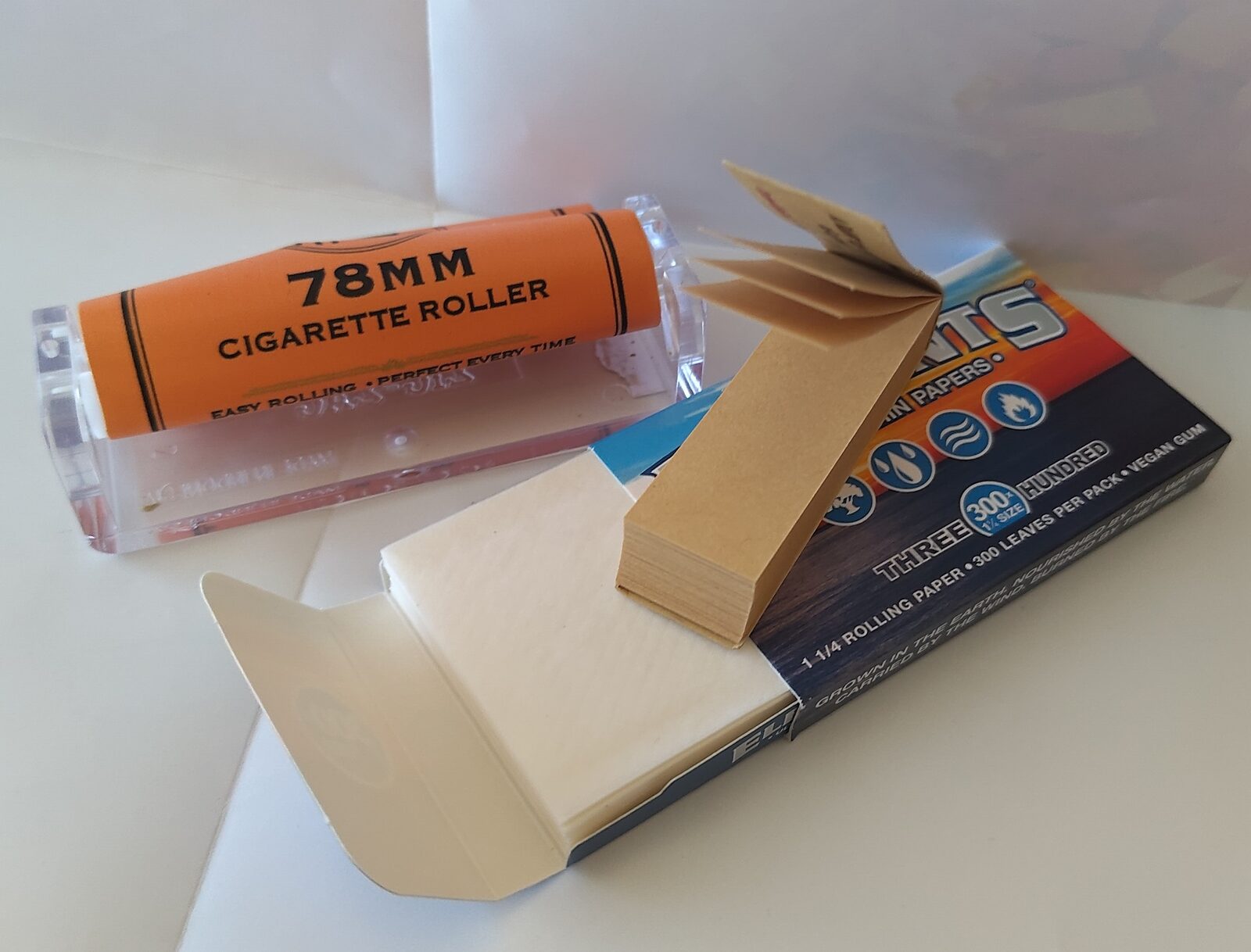
The gap is not subtle. Rolling papers are made from thin plant fibers like wood pulp, hemp, rice, or flax, pressed to burn slowly and evenly and to add almost nothing to the smoke. They carry a gum line for a clean seal and they are sized to the job. Parchment is thicker, it is coated with a non-stick finish that has no business in your lungs, it has no gum, and it burns hot and uneven. For combustion behavior alone, the slow even burn of a real paper, shown below, is something parchment cannot reproduce.
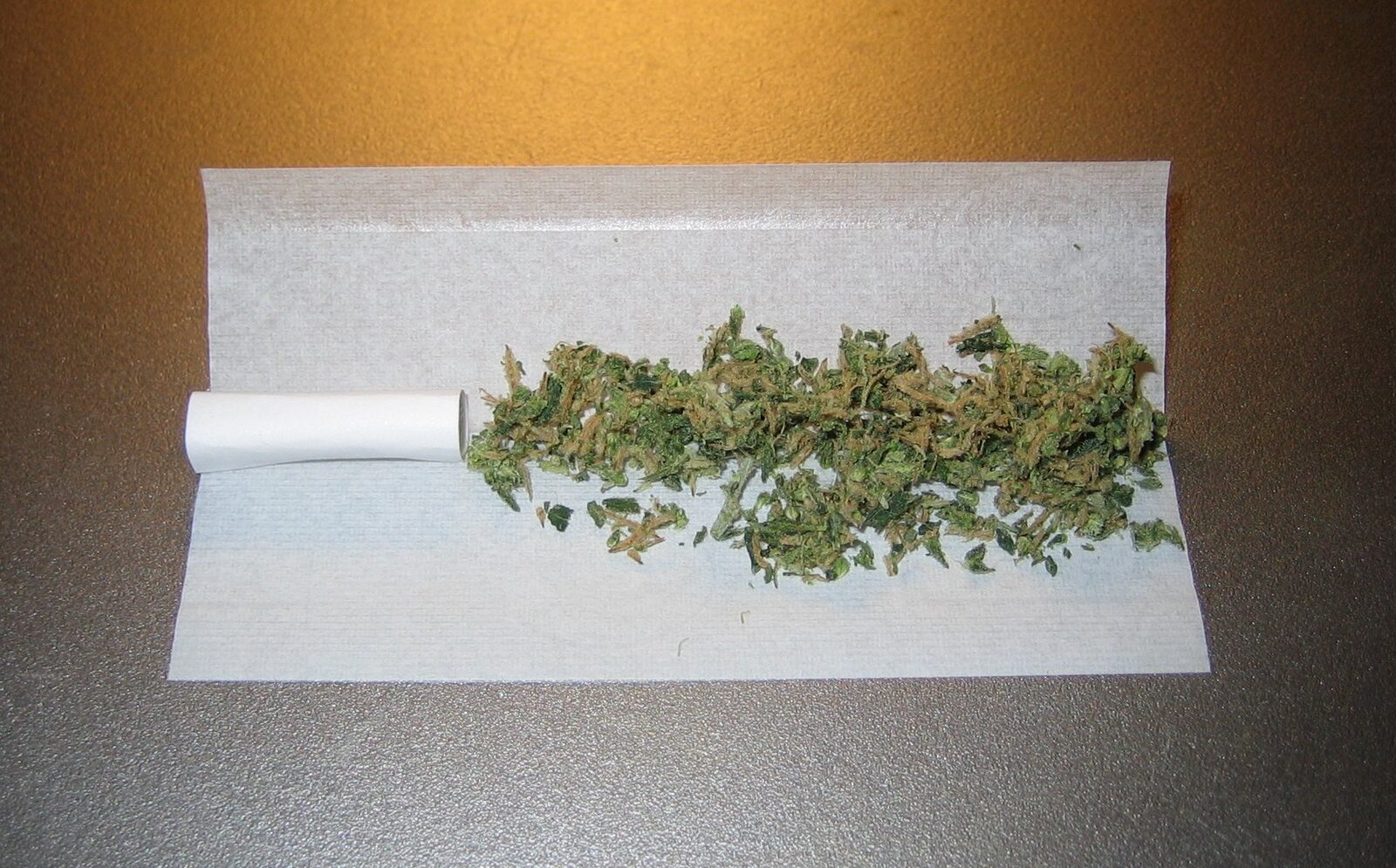
For the same reasons we lay out in our guide to smoking weed with regular paper, the closer a substitute is to a thin additive-free sheet, the safer it is. Parchment moves in the wrong direction on every axis: thicker, coated, and stiffer. If you have actual rolling papers, there is no scenario where parchment is the better pick.
Safer Alternatives When You Are Out of Rolling Papers
When the papers run out, work down this list before you reach for anything coated.
- Skip paper entirely. A clean glass pipe, a one-hitter, or a dry-herb vaporizer needs no wrapper at all and avoids the whole coating question. A vaporizer also heats below the temperature where most combustion particulate forms.
- Single-ply unscented tissue. Plain, fragrance-free tissue is thin and additive-light, which is why we cover it in the context of smoking with toilet paper. It is far from ideal, but it is a thin sheet with no engineered non-stick layer, which already beats parchment.
- Corn husk or a natural leaf wrap. Dried corn husk is a traditional wrap that burns without a synthetic coating. It is harsher than a real paper but contains no silicone or chromium.
- Gum or sticky-note free paper, only if uncoated and unprinted. A small piece of plain uncoated paper with no ink and no glue is a closer match than parchment, though still a downgrade from a rolling paper.
If your goal is to roll well rather than just to roll at all, the fix is technique with the right paper. Our walkthrough on how to roll a joint covers the crutch, the pack, and the tuck that make a thin paper hold together.
How to Tell What Your Parchment Is Coated With
If you are weighing a one-time emergency roll, at least identify the sheet first. The box is your best source: silicone parchment is usually labeled silicone-coated, unbleached, or chlorine-free, while a quilon coating is more common on unlabeled industrial parchment, which is the one to avoid outright. With no box, a quick hands-on check helps. Silicone parchment is slick and water beads up and rolls off it while the sheet stays flexible. Wax paper feels greasy and the coating smears under a fingernail, so it is not parchment and should never be smoked. Plain butcher paper soaks water in and has no non-stick feel. Even after all that, a silicone sheet is only the least bad option, not a safe one, and an unknown sheet should not go near a flame you plan to inhale.
Frequently Asked Questions
Can you use parchment paper to roll weed?
You can wrap cannabis in it, but you should not smoke it. The silicone or quilon coating is not meant to be burned and inhaled, and the paper is too stiff and ungummed to roll cleanly. It is a poor, risky substitute for rolling papers.
Is parchment paper safe to smoke with weed?
No coating on parchment is rated for inhalation. Silicone is stable in an oven but breaks down in a flame, and quilon contains chromium compounds that are hazardous when heated. Treat parchment as unsafe to smoke.
Can you roll a blunt with parchment paper?
Not well. Parchment is too rigid to curl into a tight blunt and has no gum, so the seam pops. The coating also burns harshly. It makes a bad blunt wrap and is not safe to inhale.
What happens when you burn the coating on parchment paper?
You release fumes and fine PM2.5 particulate that were never tested for inhalation, and a quilon coating can release chromium compounds. The smoke turns acrid and harsher than smoke from a thin rolling paper.
What should you use instead of parchment paper to roll a joint?
Use real rolling papers, or skip paper with a clean pipe, one-hitter, or dry-herb vaporizer. Single-ply unscented tissue or a corn-husk wrap are better emergency options than coated parchment.
The Bottom Line
Parchment paper can hold weed, but it should not burn next to your breath. The non-stick coating, silicone in most kitchen rolls and chromium-based quilon in some industrial ones, was built for an oven, not a cherry, and burning it adds fumes and fine particulate you do not want in your lungs. On top of the safety problem, parchment is stiff and ungummed, so it rolls badly and unrolls itself. Keep real rolling papers on hand, and when you are out, reach for a pipe, a vaporizer, or a thin uncoated sheet before you ever reach for the baking drawer.